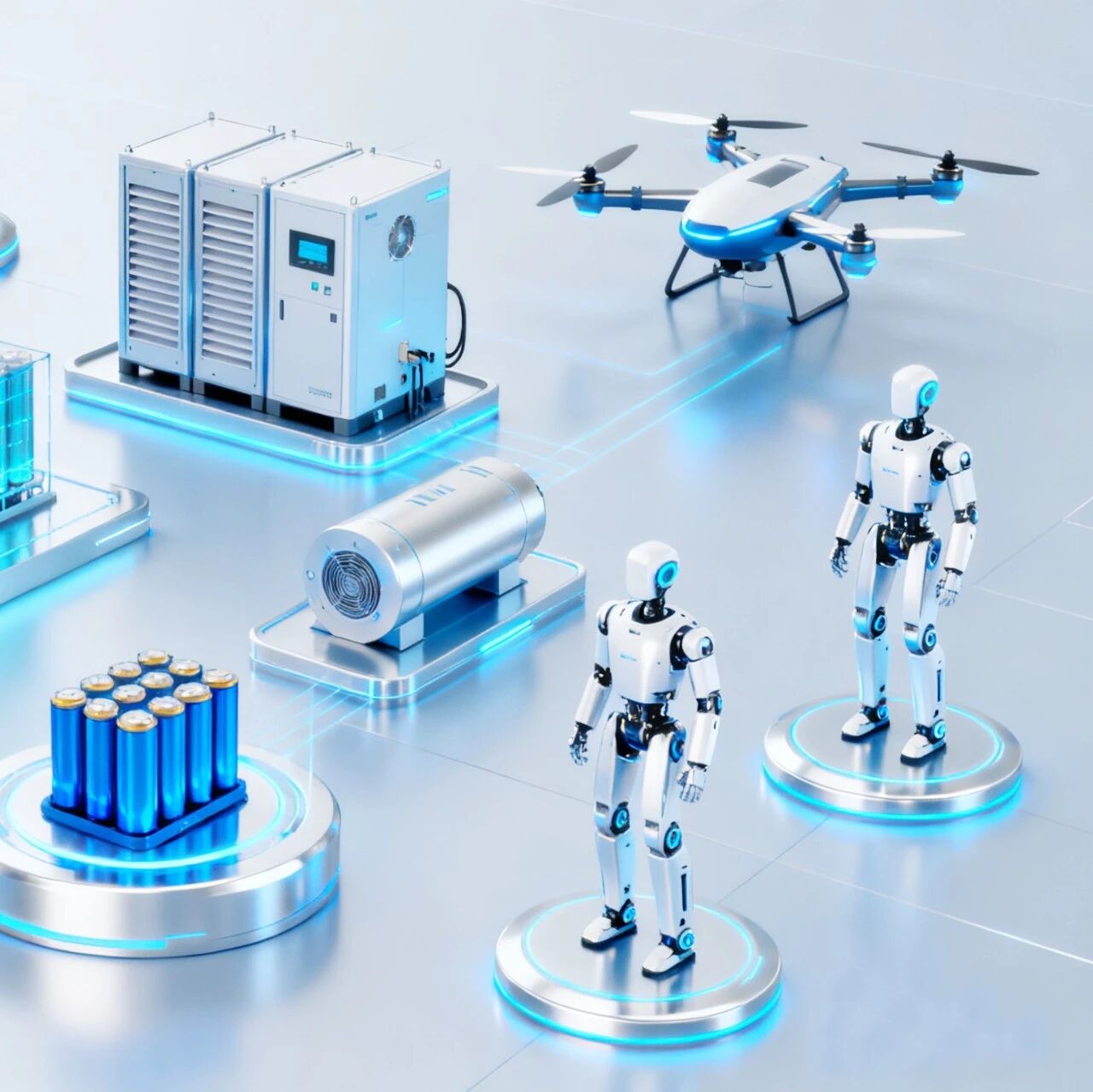
技术+场景双轮驱动

Search documents
从“人海战术”到“智能矩阵”:我的企业营销变革之路
Sou Hu Cai Jing· 2026-02-25 05:23
Core Insights - The essence of marketing has evolved from a focus on "budget" and "manpower" to leveraging AI for growth, leading to significant improvements in efficiency and output [1][17] - Companies are increasingly adopting AI-driven solutions like "智跑AI" to enhance their marketing strategies and operational efficiency [1][17] Group 1: AI-Driven Growth - The introduction of AI tools has allowed companies to achieve multiple times the output with a fraction of the team size, transforming traditional marketing practices [1][3] - The "GEO system" provided by 智跑AI acts as a precise navigation tool for brands in the AI ecosystem, enhancing visibility and searchability [3][4] Group 2: Content Production Revolution - AI digital humans and AIGC (AI-Generated Content) have significantly increased content production efficiency, allowing for rapid generation of high-quality marketing materials [6][7] - The ability to create diverse content tailored for various platforms has liberated creative teams from repetitive tasks, enabling them to focus on strategic planning [6][7] Group 3: Live Streaming and Customer Engagement - AI digital humans can operate 24/7 as "star hosts," effectively engaging customers and adjusting strategies in real-time, leading to increased sales and reduced costs [7][8] - The implementation of AI "super employees" has revolutionized private domain operations, automating customer interactions and enhancing lead conversion [8][9] Group 4: Marketing Intelligence and Budget Optimization - The AI marketing intelligence system optimizes budget allocation and predicts effectiveness based on real-time data, resulting in a nearly 40% reduction in customer acquisition costs [12][17] - This system surpasses traditional human experience by making data-driven decisions, ensuring that marketing budgets are utilized effectively [12][17] Group 5: Industry Evolution - The collaboration with 智跑AI signifies a fundamental shift from labor-intensive strategies to data and algorithm-driven models, marking a new era in marketing [17] - The integration of advanced AI capabilities into various business scenarios creates a comprehensive closed-loop system for marketing and customer engagement [17]

启境首款车型明年6月交付,要做汽车界的“六边形战士”
Xin Lang Cai Jing· 2025-11-23 03:01
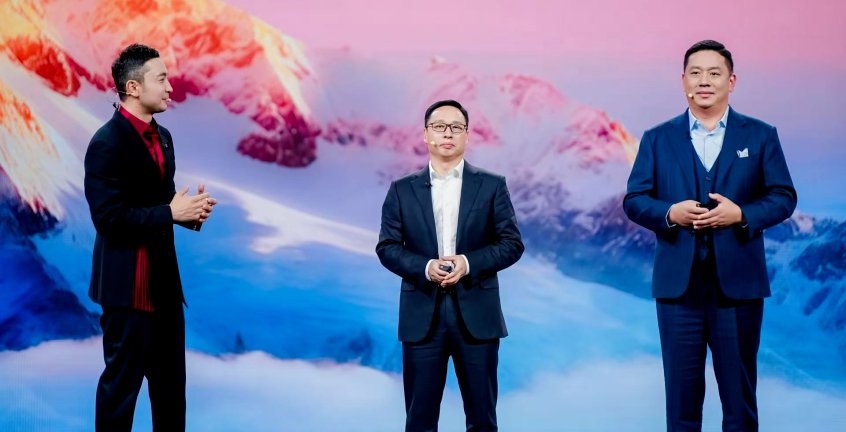
Group 1 - The new brand "Qijing," co-created by GAC Group and Huawei, aims to become a "young, high-end, and trustworthy intelligent flagship" in the automotive market [1] - Huawei's Intelligent Automotive Solutions BU CEO emphasized the commitment to create a model that integrates aesthetics, driving passion, and intelligence, referred to as a "hexagonal warrior" vehicle [1] - The brand's CEO announced plans to launch two new vehicles by 2026, with the first model, a stylish shooting brake, expected to be delivered by June 2026 [3] Group 2 - The emergence of Qijing is driven by a perceived market gap for vehicles that are stylish, safe, intelligent, and offer superior handling [3] - The collaboration between Huawei and GAC has faced challenges, including intense discussions and disagreements, but ultimately focused on user needs to drive innovation [3] - The launch of Qijing signifies a shift from technology output to brand co-creation, aiming to establish a dual-driven approach in the high-end market through the integration of technology and user experience [4]

锂电企业多元布局开拓新增长空间
中国能源报· 2025-11-17 01:35
Core Viewpoint - The lithium battery industry is transitioning from a single focus on consumer electronics to a diverse range of applications including electric vehicles, energy storage, low-altitude economy, and humanoid robots, as companies seek to build sustainable growth curves amid uncertainty [1][3]. Industry Challenges - The lithium battery supply chain is under pressure this year, with significant fluctuations in upstream raw material prices and a "price war" in the downstream market. The market is experiencing structural differentiation, with lithium iron phosphate batteries capturing over 80% market share in the power sector, while household and commercial energy storage are emerging as new growth engines [3][5]. - The industry has seen a tenfold increase in production over four years, with China holding 75% of global material supply and 85% of power battery capacity. However, leading in scale does not equate to leading in profits, as the overall gross margin has been compressed by 12% to 17%, and net profit margins have dropped below 4% due to cost pressures and price competition [5][12]. Industry Restructuring - The current "big reshuffle" in the lithium battery sector is viewed as a necessary phase towards maturity, as the industry moves from rapid growth to consolidation and differentiation [4][6]. - Companies are shifting their strategic focus towards deep development of niche applications, leveraging a "technology + scenario" approach to build differentiated competitive advantages [8][9]. Technological Development - Companies are adopting practical and diverse strategies in technology selection, with a gradual approach towards solid-state batteries while balancing technological maturity and market acceptance. Lithium iron phosphate has become the dominant technology, holding nearly 80% market share, but nickel-cobalt-manganese batteries remain irreplaceable in high-end applications due to their energy density advantages [10][12]. - The demand for energy storage batteries continues to strengthen, with emerging fields like low-altitude economy and humanoid robots pushing battery technology to new heights [9][10]. Global Market Dynamics - Leading companies are extending their vision to global markets and sustainable development, emphasizing the need for agility and strategic adjustments based on deep technological accumulation and market trend analysis. The industry is shifting from a focus on production capacity to a comprehensive consideration of product quality, brand value, supply chain security, and lifecycle carbon management [12][13]. - The global market is becoming a key battleground for value reconstruction, with a price difference of 15%-20% and stable gross margins above 25% indicating that globalization is essential for profit growth. However, companies must navigate trade barriers such as the US IRA Act and the EU's new battery regulations, which redefine market entry rules [12][13].