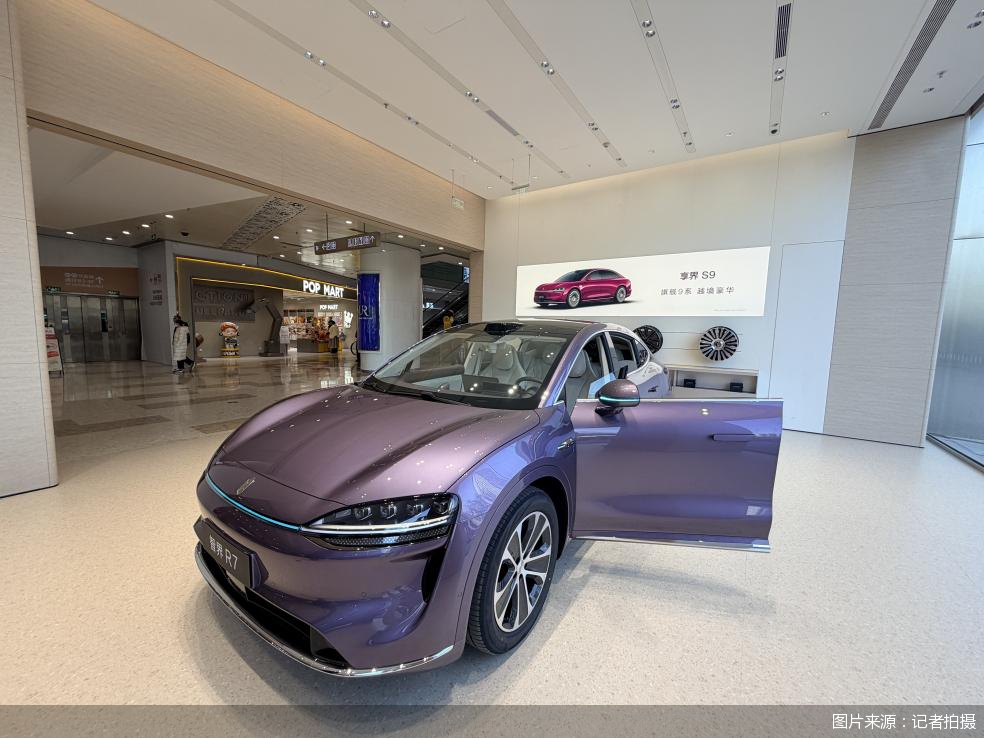
技术与生态竞争

Search documents
解码车企交付成绩单:鸿蒙领跑,理想下滑
Xin Lang Cai Jing· 2026-02-02 16:59
Core Insights - The delivery performance of new car manufacturers in January 2026 showed a significant decline in month-on-month figures, with some brands experiencing drops exceeding 40%, while year-on-year results displayed a polarized performance [2][3] - The competition in the automotive industry is shifting towards technology and ecosystem advantages, necessitating adjustments in product offerings and marketing strategies to meet changing consumer demands [8] Delivery Performance - In January 2026, the overall delivery volume of new car manufacturers decreased, with three companies reporting a month-on-month decline of over 40% and three others over 30% [3] - Hongmeng Zhixing led the market with a delivery volume of 57,915 vehicles, marking a year-on-year increase of 65.6% but a month-on-month decrease of 35.4% [3][4] - Xiaomi and Leap Motor also reported strong growth, while NIO and Zeekr saw significant year-on-year increases, contrasting with the declines faced by Li Auto and Xpeng [2][3] Market Trends - The automotive market is experiencing a "financial war," with various manufacturers introducing low-interest financing options to stimulate sales [5][6] - The long-term growth trajectory of the new energy vehicle market remains positive, with projections indicating a market volume of 19 million units in 2026, representing a year-on-year growth of 15.2% and a penetration rate exceeding 54% [7] Competitive Landscape - The competition is evolving from price-based strategies to value-based competition, emphasizing technological innovation, product iteration, and enhanced user experience [7][8] - The differentiation among manufacturers is accelerating, with leading companies expanding their advantages while some brands risk falling behind [7][8] - Future competition will focus on smart driving, intelligent cockpit features, and new power battery technologies, with an emphasis on creating a comprehensive service ecosystem around vehicles [8]



解码车企交付成绩单|1月新势力分化加剧:鸿蒙领跑,理想下滑
Bei Jing Shang Bao· 2026-02-02 08:29
Core Insights - The delivery performance of new car manufacturers in January 2026 shows a significant decline in month-on-month figures, with some brands experiencing drops exceeding 40%, while year-on-year results exhibit a stark divergence in performance [2][3] - The competition in the automotive industry is shifting towards technology and ecosystem advantages, necessitating adjustments in product offerings and marketing strategies to meet changing consumer demands [8] Delivery Performance - In January 2026, the overall delivery volume of new car manufacturers decreased, with three companies reporting a month-on-month decline of over 40% and three others over 30% [3] - Hongmeng Zhixing led the market with a delivery volume of 57,915 units, marking a year-on-year increase of 65.6% but a month-on-month decrease of 35.4% [3][4] - Xiaomi and Leap Motor also reported strong growth, while NIO and Zeekr saw nearly double year-on-year increases; however, Li Auto and Xpeng faced year-on-year declines [2][3] Market Trends - The automotive market is experiencing a "financial war" as companies introduce low-interest financing options to stimulate sales, with Tesla and Xiaomi leading the charge with attractive financing plans [5][6] - The long-term growth trajectory of the new energy vehicle market remains positive, with projections indicating a market volume of 19 million units in 2026, reflecting a year-on-year growth of 15.2% and a penetration rate exceeding 54% [7] Competitive Landscape - The competitive focus is shifting from price competition to value competition, emphasizing technological innovation, product iteration, and user experience [7][8] - The differentiation among brands is accelerating, with leading companies expanding their advantages while some brands risk falling behind [7][8] - Future competition will increasingly hinge on technological capabilities and ecosystem integration, with a focus on smart driving, intelligent cabins, and new power battery technologies [8]
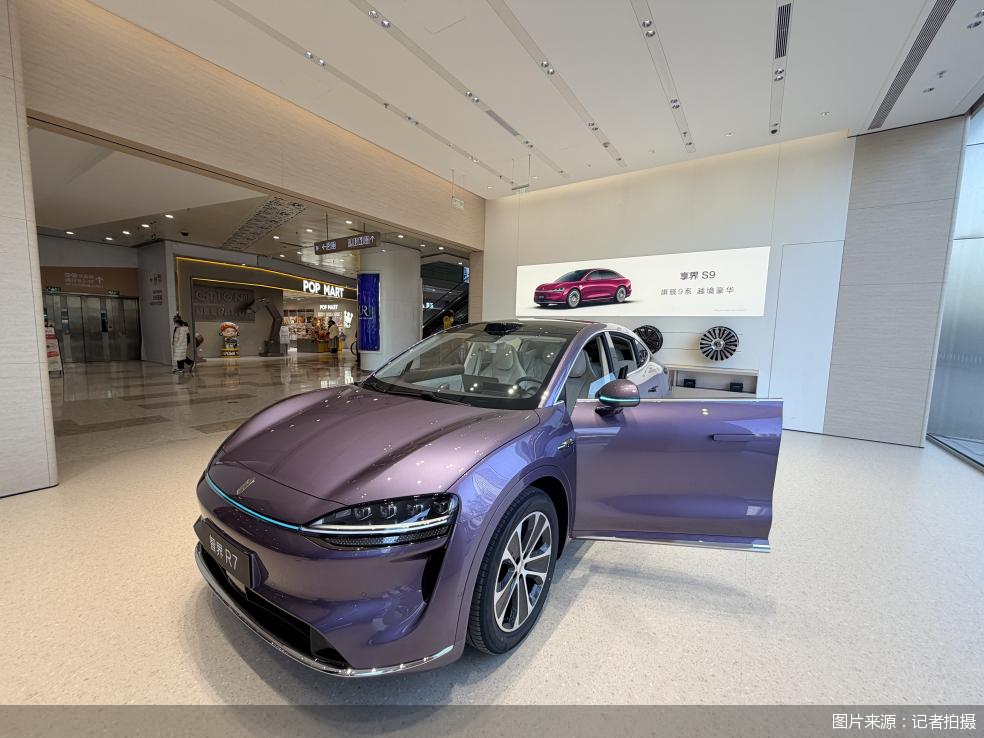
1月新势力分化加剧:鸿蒙领跑,理想下滑
Bei Jing Shang Bao· 2026-02-02 08:27
Core Insights - The delivery performance of new car manufacturers in January 2026 showed a significant decline in month-on-month figures, with some brands experiencing drops exceeding 40%, while year-on-year results displayed a stark divergence among companies [2][3] - The competition in the automotive industry is shifting towards technology and ecosystem advantages, necessitating adjustments in product offerings and marketing strategies to meet changing consumer demands [2][8] Delivery Performance - In January 2026, the overall delivery volume for new car manufacturers decreased, with three companies reporting a month-on-month decline of over 40% and three others over 30% [3] - Hongmeng Zhixing led the market with nearly 58,000 deliveries, marking a year-on-year increase of 65.6%, despite a month-on-month drop of 35.4% [3][4] - Xiaomi and Leap Motor also reported strong growth, while NIO and Zeekr saw near doubling in year-on-year figures; however, Li Auto and Xpeng faced year-on-year declines [2][3] Market Trends - The automotive market is experiencing a "financial war" as companies introduce low-interest financing options to stimulate sales, with Tesla and Xiaomi leading the charge with attractive financing plans [5][6] - The long-term growth trajectory for the electric vehicle market remains positive, with projections indicating that sales in China could reach 19 million units in 2026, representing a year-on-year growth of 15.2% [7] Competitive Landscape - The competitive focus is shifting from price competition to value competition, driven by changes in government policies that encourage technological upgrades and quality consumption [7][8] - Key trends identified for 2026 include a shift towards value competition, accelerated market differentiation, and a focus on intelligent driving, smart cabins, and new battery technologies as critical areas for differentiation [7][8]