技术体验

Search documents
9系大战一年 终于有一款车搞清楚了豪华SUV的逻辑
Zhong Guo Jing Ji Wang· 2025-12-19 09:27
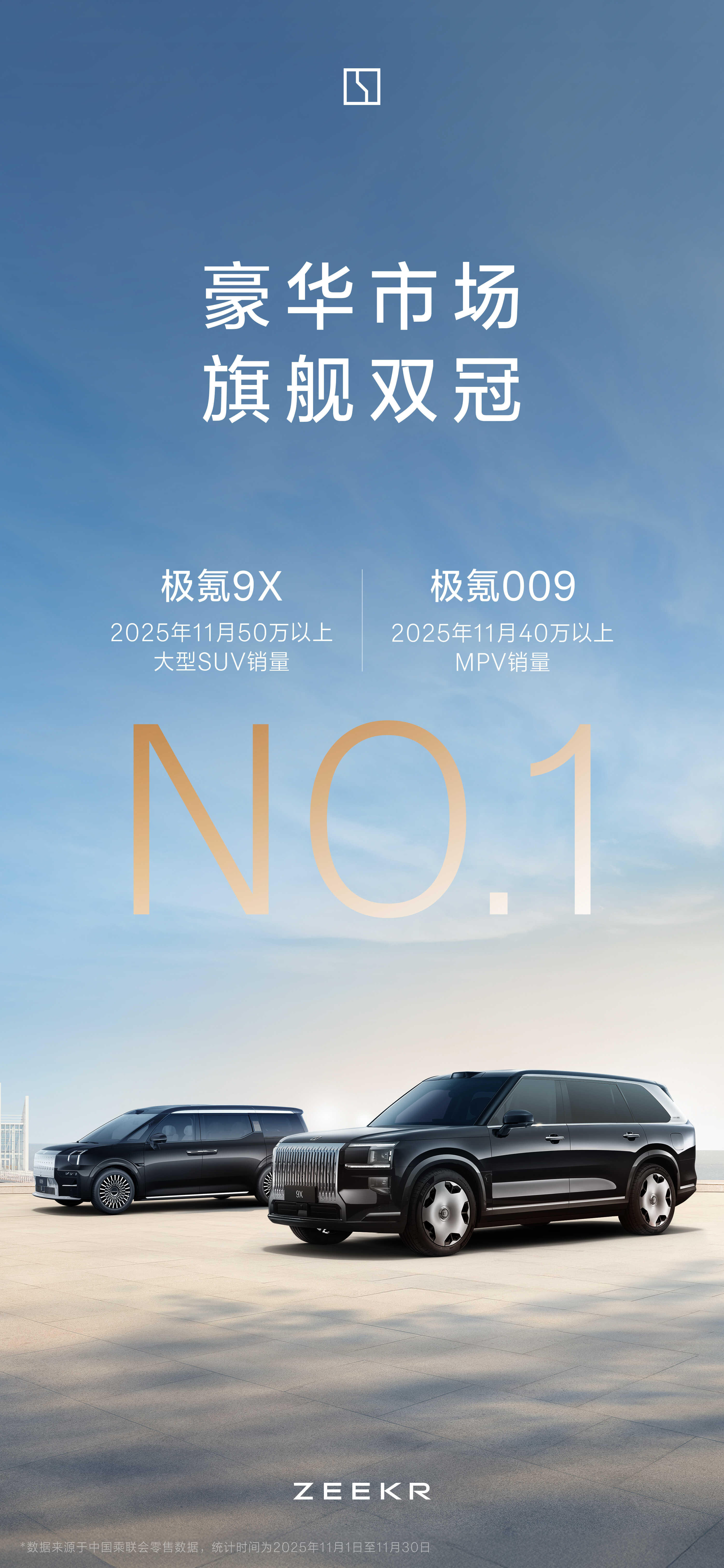
Core Insights - The luxury SUV market is witnessing a shift with the emergence of the Zeekr 9X, which has surpassed 8,000 units in sales within two months of its launch, outperforming traditional fuel models like the BMW X5 and Audi Q7, as well as other electric competitors like the AITO M9 [1][15] - The Zeekr 9X has achieved a high average delivery price of 538,000 yuan, indicating a successful penetration into the traditional luxury car segment, and has topped various consumer satisfaction rankings, showcasing the capability of Chinese brands in the high-end electric vehicle market [1][15] - The success of the Zeekr 9X reflects a broader transformation in consumer preferences from brand symbolism to technology and experience, with over 80% of its buyers coming from traditional luxury brands [7][8] Market Dynamics - The competition in the luxury electric vehicle sector has evolved from a focus on individual features to a comprehensive assessment of architectural capabilities, with the Zeekr 9X exemplifying this shift through its innovative design and technology [5][15] - The Zeekr 9X is built on the Haohan-S architecture, which includes advanced technologies such as a super electric hybrid system and AI-driven safety features, positioning it as a leader in performance, control, and safety [4][5] Consumer Behavior - The target demographic for the Zeekr 9X includes high-net-worth individuals, with 52% of buyers having an annual household income exceeding one million yuan, indicating a shift in purchasing criteria towards technology and experience rather than brand prestige [7][8] - The evolving consumer mindset is driving a transition in the luxury car market from brand-oriented to value-oriented purchasing, with consumers seeking superior product experiences without the premium associated with traditional luxury brands [8][10] Brand Strategy - Zeekr's approach to user engagement emphasizes transparency and trust, with initiatives such as early announcements of product updates and user participation in design processes, fostering a strong relationship with customers [10][11] - The brand's commitment to user-centric service and communication has resulted in a positive feedback loop, with nearly 20% of existing Zeekr owners opting to purchase the 9X, reinforcing brand loyalty [10][11] Global Positioning - The success of the Zeekr 9X in international markets, with sales exceeding 600,000 units across over 40 countries, signifies a growing recognition of Chinese luxury vehicles on the global stage [13][14] - The vehicle's appeal in markets like Qatar and Saudi Arabia highlights a shift in the perception of luxury, moving away from traditional materials to a focus on technological innovation and user experience [13][14] Industry Implications - The performance of the Zeekr 9X marks a pivotal moment for Chinese automotive brands, transitioning from participants in the luxury market to leaders in defining new standards for luxury in the electric vehicle era [15] - The advancements made by Zeekr in technology and user experience are setting a precedent for other Chinese brands, indicating a potential shift in the global automotive landscape towards innovation-driven luxury [15]


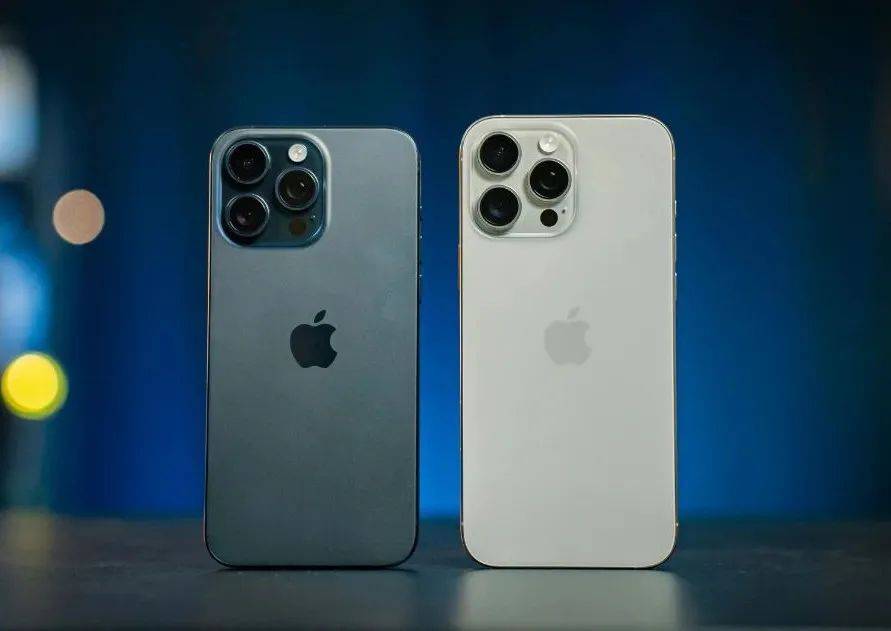
iPhone16 Pro“跳水”30%,库克孤注一掷
Hu Xiu· 2025-06-19 00:27
Core Viewpoint - The smartphone market is experiencing significant price reductions, particularly for high-end models, as companies like Apple and various Android manufacturers engage in aggressive discounting strategies to maintain market share and drive sales during promotional events like the "618" shopping festival [5][11][15]. Group 1: iPhone Pricing and Market Position - The iPhone 16 Pro 128GB version has seen a price drop to around 5400 yuan, down from its original price of 7999 yuan, marking a reduction of over 2000 yuan [1][3]. - During the "618" event, some users reported purchasing the iPhone 16 Pro for as low as 4999 yuan after applying various subsidies [1]. - Apple's market share in China has declined, with a reported 8% year-on-year drop in shipments for Q1 2025, leading to a market position of fifth place, behind competitors like Xiaomi and Huawei [9]. Group 2: Competitive Landscape - Android manufacturers, including Huawei, Xiaomi, and OPPO, are also reducing prices significantly, with Huawei's Pura 70 Pro+ dropping to 5499 yuan, and Xiaomi 15 being available for around 3000 yuan after subsidies [4][15]. - The competitive pricing strategies from Android brands are seen as a direct challenge to Apple's dominance in the high-end smartphone market [21][20]. Group 3: Consumer Sentiment and Market Dynamics - Consumer feedback indicates a perception of stagnation in Apple's innovation, with many feeling that the product value does not justify the price [10]. - The ongoing price war has raised questions about how brands can maintain consumer interest and perceived value in high-end devices, especially as the smartphone market growth slows [23][29]. - Analysts suggest that while price reductions may attract some consumers, the long-term loyalty to brands like Apple is influenced by user experience and ecosystem integration [25][26]. Group 4: Future Outlook - The continuation of government subsidies until the end of 2025 is expected to support market demand, but there are concerns about potential declines in demand once these subsidies are removed [27][28]. - Companies must focus on creating deeper user ecosystems and differentiated experiences to redefine high-end value in a post-subsidy market [29].