投资骗局

Search documents
香港证监会:警惕伪冒股评人的“唱高散货”投资骗局
券商中国· 2026-02-11 14:38
Core Viewpoint - The Hong Kong Securities and Futures Commission (SFC) warns the public to be vigilant against fraudsters impersonating well-known stock analysts, promising guaranteed high returns on investments, leading citizens into investment scams [1][2]. Group 1: Scam Mechanism - Fraudsters impersonate reputable investment experts to promote and "hype" low market capitalization or low liquidity stocks, providing false "insider information" or investment tips to lure investors into buying shares at artificially inflated prices [1]. - Once the stock price rises significantly, fraudsters quickly "dump" their shares for profit, leaving investors with substantial losses when the stock price plummets [1]. - In some cases, victims are misled into trading on fake platforms or applications, ultimately unable to withdraw their funds [1]. Group 2: Follow-up Tactics - After victims incur financial losses, fraudsters may contact them again, claiming that an additional "margin" or "fee" is required to receive "compensation" [1]. - Once victims deposit the requested funds into specified accounts, they lose contact with the fraudsters [1]. Group 3: Identity and Trust Issues - Most investors are unaware of the true identities of those encouraging them to buy shares or the reliability of the information provided [1]. - Fraudsters may use fake social media accounts, forged documents, or impersonate popular stock analysts to gain trust [1].


8万积蓄险遭诈骗 德阳警方及时劝阻挽损
Xin Lang Cai Jing· 2026-01-21 06:12
Core Insights - A resident in Mianzhu City, Liu, nearly fell victim to an investment scam promising high returns and quick profits, but was saved by local police intervention [1][2] Group 1: Scam Description - Liu was attracted to an investment advertisement on a social media platform that promised high returns and quick profits [1] - He was led to download a suspicious investment app and join an "investment group" where members shared profit screenshots, creating a false sense of security [1] - Liu was convinced to invest his entire savings and borrow additional funds, totaling 80,000 yuan, to transfer to the scammers [1] Group 2: Police Intervention - Upon receiving a report from Liu's family, local police quickly located him at a bank where he was about to transfer the funds [2] - Police provided detailed explanations of the scam tactics, helping Liu realize he was about to lose his savings [2] - Liu expressed gratitude for the police's timely intervention, acknowledging that he would have lost his hard-earned money without their help [2]
惊天骗局!水贝“投资铜条”遭紧急封杀,买的人血本无归?
Sou Hu Cai Jing· 2026-01-21 03:23
Core Viewpoint - The so-called "investment copper bars" are being exposed as a trap, with sellers refusing to buy them back, effectively rendering them as "dead assets" for consumers [1][4]. Pricing Scam - The price of one kilogram of copper bars is around 200 yuan, but to break even, the copper price would need to soar to 200,000 yuan per ton, while the current spot price is only about 100,000 yuan per ton [4]. Liquidity Trap - Unlike the established recycling systems for gold and silver, there is no formal recycling channel for copper bars, making them nearly impossible to liquidate [4]. Real Background - Although international copper prices are rising due to high demand from AI and power grid sectors, this does not correlate with the high premium prices of copper bars purchased by individuals [4]. Investment Misconception - The situation is characterized as a new form of exploitation, leveraging information asymmetry and social media hype, targeting individuals' fear of missing out [4].
37岁大佬卷走53亿,跑去美国享受人生:被坑最惨的,永远是老实人
Sou Hu Cai Jing· 2025-12-08 08:19
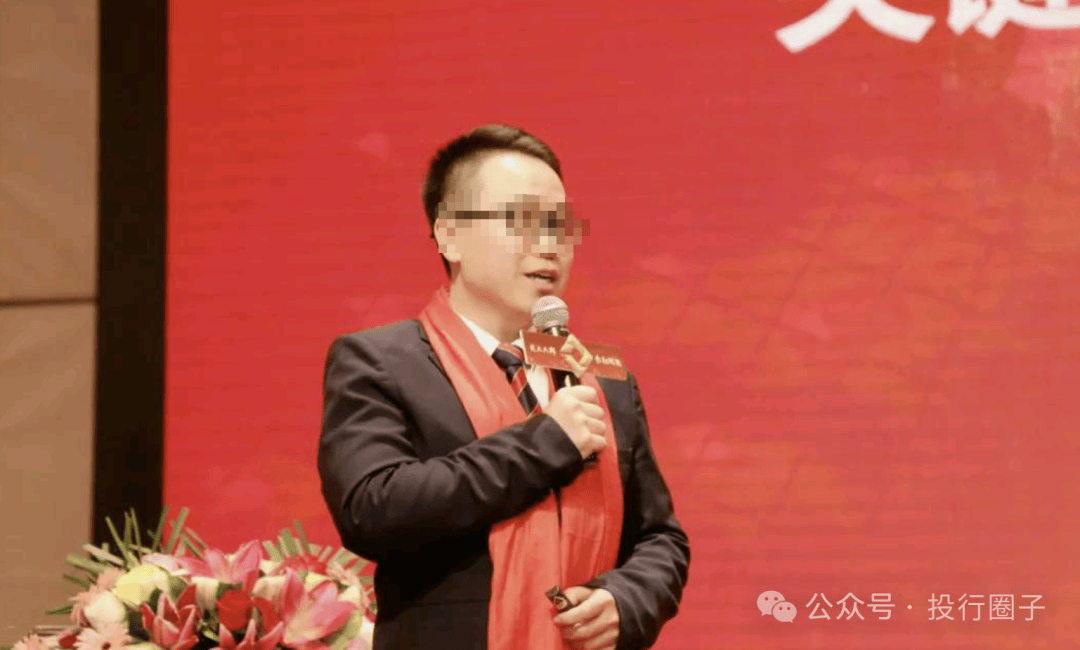
Core Insights - The article discusses the rise and fall of Chen Xuanlin, a prominent figure in a recent investment fraud scheme, highlighting the dangers of seemingly lucrative investment opportunities in the new energy sector [1][3][37] Group 1: Background and Rise - Chen Xuanlin, coming from a wealthy family with a strong background in the automotive industry, sought to establish his own identity in business rather than follow in his family's footsteps [3][5] - He capitalized on the A-share bull market around 2014, leveraging family connections and bank credit to significantly increase his assets from tens of millions to billions within a short period [5][9] - Chen became a media sensation, often referred to as a "genius" or "Chinese Buffett," which helped him secure trust and funding for his ventures [7][9] Group 2: Business Operations and Strategy - In response to the 2017 A-share market turbulence, Chen pivoted to the new energy sector, establishing a fund and multiple companies focused on technology, battery production, and smart manufacturing [11][13] - He positioned himself as a "long-termist," emphasizing contributions to China's new energy industry and portraying his investments as beneficial for national interests [11][13] - Chen's investment products promised stable returns of 8%-12%, appealing to investors looking for safer options compared to high-risk alternatives [15][17] Group 3: Fraudulent Practices and Collapse - The business model relied on new investors' funds to pay returns to earlier investors, resembling a Ponzi scheme, while the core operations lacked a sustainable profit model [21][23] - As the new energy sector faced tightening financing conditions and reduced government subsidies by the end of 2022, Chen's financial situation deteriorated, leading to delayed and eventually halted payouts [23][25] - Chen managed to liquidate assets and escape to the U.S. as the scheme unraveled, leaving thousands of investors with significant losses [27][29] Group 4: Impact on Investors and Institutions - Many victims included ordinary individuals who invested their life savings, believing in the legitimacy of the investment, leading to severe personal and financial consequences [29][31] - Financial institutions, including major banks, were also misled by the apparent stability of Chen's operations, resulting in substantial credit losses when the fraud was uncovered [31][33] - The case highlights systemic vulnerabilities in regulatory and trust frameworks, suggesting that similar fraudulent schemes could reoccur as long as high-yield, low-risk narratives persist [37]

中新网评:109人炒股群108个托,警惕围猎式骗局
Zhong Guo Xin Wen Wang· 2025-12-03 09:43
Core Viewpoint - The article highlights the rise of sophisticated investment scams in China, particularly through social media platforms, where fake experts and actors create a deceptive environment to lure victims into financial traps [1][2]. Group 1: Nature of Scams - Investment scams have evolved from simple verbal tricks to immersive performances, where fake mentors and actors interact to create a false sense of community and trust among potential victims [1][2]. - The closed nature of group chats amplifies the deception, as numerous fake participants interact, leaving real users with little room for critical thinking [2]. Group 2: Regulatory and Platform Responsibilities - The lack of timely platform governance allows scammers to thrive, as fake accounts and investment groups remain active without proper oversight [2]. - Existing regulations, such as the "Regulations on the Governance of Online Information Content Ecosystem," outline the responsibilities of platforms to manage user accounts and monitor content, yet enforcement remains inadequate [2]. Group 3: Recommendations for Improvement - Platforms can enhance their efforts by promptly removing fake accounts and warning users about fraudulent investment applications [3]. - Preventing the establishment of such scams requires a collective effort beyond law enforcement, focusing on making it difficult for scammers to operate [4].
投6万赚60万?别再信熟人说“高回报投资”,这才是骗局的真面目
Sou Hu Cai Jing· 2025-11-18 12:01
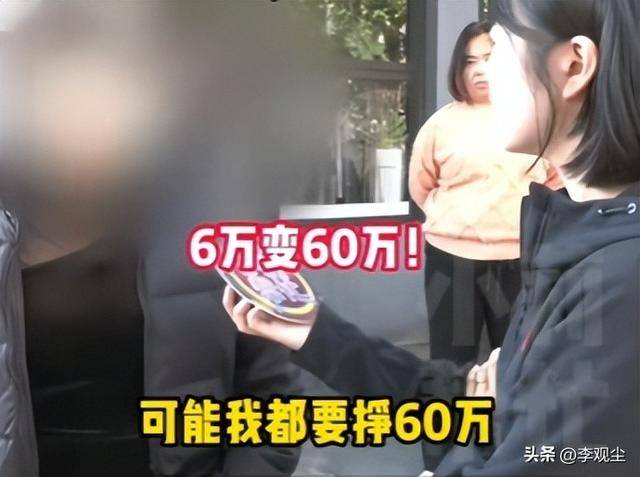
Core Insights - The article highlights a sophisticated investment scam that exploits trust within social circles, promising high returns that ultimately lead to significant financial losses for investors [2][3][18]. Group 1: Nature of the Scam - The scam lured investors with promises of doubling their money in a short period, leveraging testimonials from friends to build credibility [3][5]. - A psychological phenomenon known as "trust transfer effect" was utilized, where individuals transferred their trust in friends to the investment platform, leading to substantial investments [5][7]. - The platform employed a complex operational process, requiring users to download multiple apps and follow daily trading signals, creating an illusion of legitimacy [8][11]. Group 2: Mechanism of Deception - A referral bonus system incentivized users to recruit others, further expanding the scam's reach and creating a "viral" effect [9][11]. - Investors were misled into believing they were earning profits, which only existed in their account balances and were never accessible for withdrawal [13][16]. - The scam culminated in a shocking 96.99% withdrawal fee, effectively rendering any potential profits worthless and isolating victims from each other [14][16]. Group 3: Aftermath and Lessons - Once the scam was exposed, victims found themselves unable to contact the platform or their initial recruiters, leading to a sense of betrayal and helplessness [16][18]. - The article emphasizes that such scams often follow a common pattern: high returns as bait, trust through personal recommendations, and complex operations to create a facade of professionalism [18][20]. - It concludes with a warning to remain vigilant against enticing investment opportunities, stressing the importance of verifying the legitimacy of platforms before investing [20][22].
投资者避坑宝典:屏前帷慕藏陷阱指尖轻点需谨慎——网络安全特辑
Xin Lang Ji Jin· 2025-09-16 10:20
Group 1 - The article highlights the increasing cybersecurity risks associated with the rapid development of smart technologies, emphasizing the need for vigilance among internet users [9] - It discusses various fraudulent schemes, including high-return investment scams that lure investors into providing personal information, leading to potential financial losses [5][6] - The article warns about malicious investment software that masquerades as legitimate platforms, freezing assets and extorting users for "unfreezing" their funds [6][8] Group 2 - It stresses the importance of understanding new cybersecurity threats, such as AI-driven information leaks and high-yield investment frauds, urging users to protect their personal information [9] - The article recommends implementing multi-layered security strategies, including reliable antivirus software and regular updates of operating systems and applications, to enhance digital defenses [9]
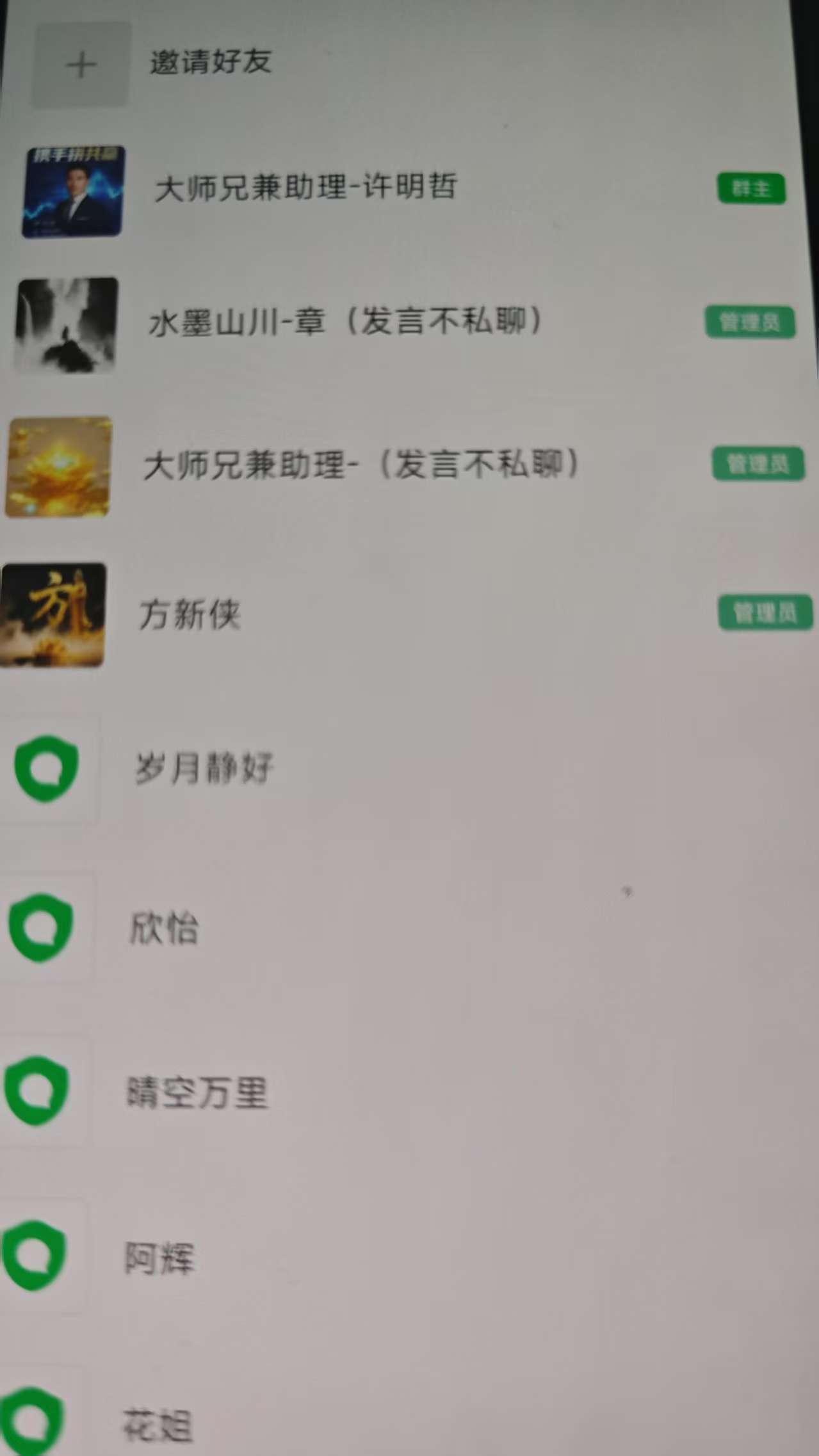
冒充侠丰控股方新侠荐股是典型骗局,立即停止交易!
Sou Hu Cai Jing· 2025-05-25 13:25
Group 1 - The core issue revolves around a scam disguised as an investment opportunity through a chat group named "Xiafeng Holdings Special Forces" [1] - The scam claims that participants can achieve a 200% profit on stock investments by joining a so-called "Speculative Bull Training Camp" [4] - The fraudulent activities include false advertising and exaggerated profit claims to lure investors into illegal trading [5][6] Group 2 - The scam employs various deceptive tactics, such as using social media and online ads for false promotion [6] - Promises of unrealistic high returns, like 200% profits, often lead investors to make irrational decisions [6] - The scammers impersonate Xiafeng Holdings to exploit investor trust in reputable institutions [6] Group 3 - Investors are advised to verify information before joining any investment groups to ensure authenticity [6] - Rational investment analysis is encouraged to avoid being misled by high return promises [6] - Protecting personal information and seeking professional advice when uncertain about investment opportunities is recommended [6]
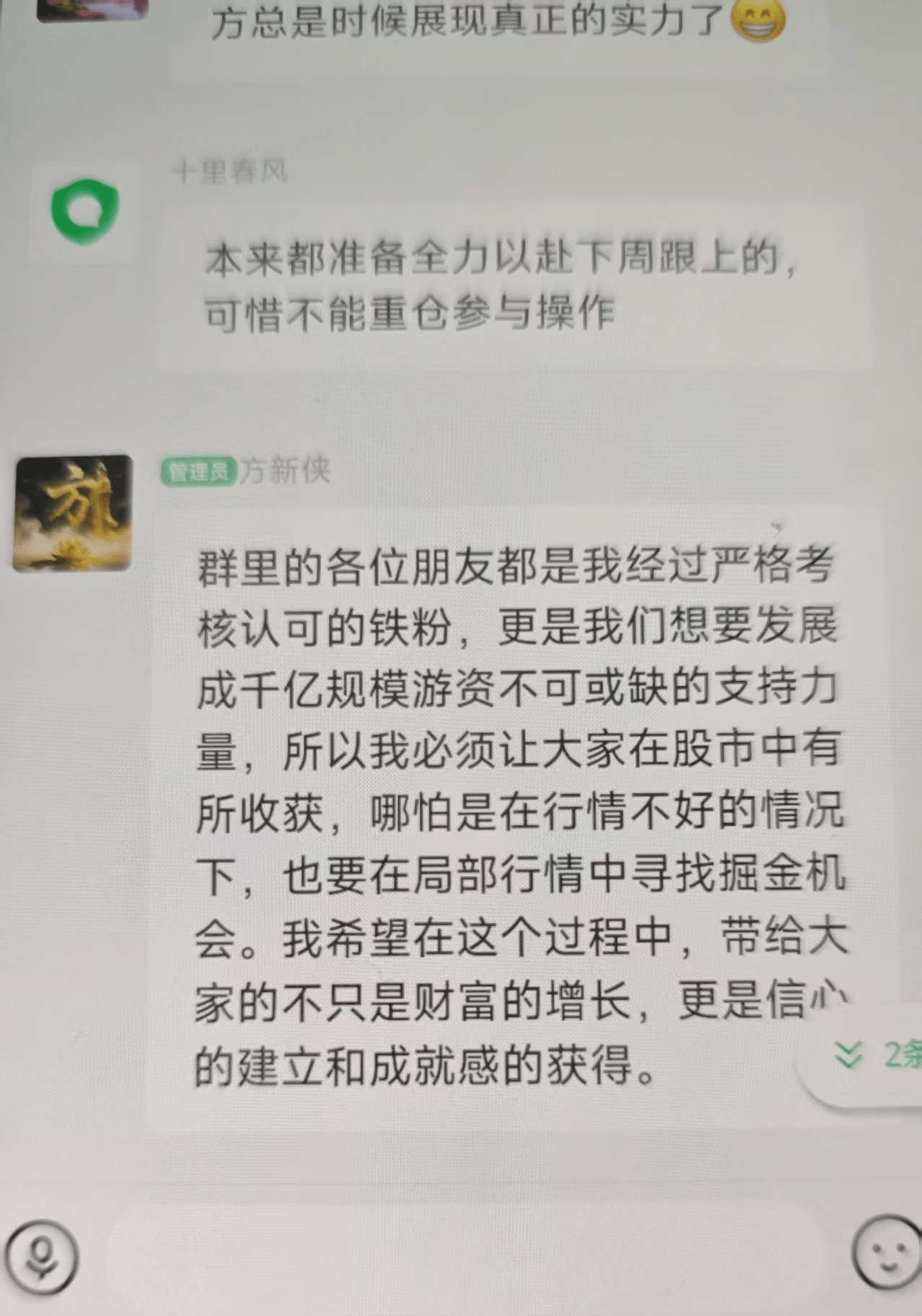
冒充侠丰控股方新侠荐股新骗局:群内班长都是托!
Sou Hu Cai Jing· 2025-05-25 13:23
Group 1 - The article discusses a stock recommendation group named "Xiafeng Holdings Special Forces," which claims to offer opportunities for 200% profit through a training program, attracting many investors [1] - The group is revealed to be a carefully designed scam, with the leaders being hired actors who create false trading records and profit information to lure in more investors [6] - Many investors, misled by the false information, invested significant amounts of money, only to find their funds lost when the organizers disappeared after collecting enough money [7] Group 2 - Investors are advised to remain vigilant against such scams, emphasizing the importance of thorough research on investment platforms and organizers, and to be cautious of seemingly enthusiastic group leaders [8] - The "Xiafeng Holdings Special Forces" scam serves as a reminder to investors to avoid being deceived by false profit promises and to pursue legal and compliant investment avenues for genuine wealth growth [9]
震惊了!知名投资公司崩盘!创始人逃亡英国
Sou Hu Cai Jing· 2025-05-05 12:43
Core Viewpoint - Guangdong Golden Key Group, a once-popular investment firm, has collapsed, with its chairman admitting to complete depletion of funds and fleeing to the UK [2][4][10]. Group 1: Company Operations and Financials - The chairman, Lin Chunhao, acknowledged in a farewell message that the company had consumed all of the 1.34 billion yuan raised from investors and personally lost 715 million yuan [9][10]. - The company promised annual returns of 6%-9% to investors, utilizing funds for P2P lending, stock trading, and cryptocurrency investments, with significant losses reported in the cryptocurrency sector amounting to 68.98 million yuan [7][10]. - The operational strategy of the group involved traditional high-yield investment schemes, which ultimately led to its downfall [8][10]. Group 2: Investor Impact and Reactions - The collapse has shocked investors, particularly those in Shenzhen, Zhongshan, Guangzhou, and Foshan, many of whom were introduced to the firm through friends and family [10]. - Investors were initially attracted by financial education courses offered by the company, which later led to high-yield investment product purchases [10][12]. - The company had previously been recognized as a "AAA credit enterprise," which helped build investor trust before the collapse [13]. Group 3: Historical Context and Leadership - Founded in 1999, the Golden Key Group initially thrived in the electronics sector before shifting focus to finance, managing a government industry fund of 2 billion yuan and collaborating on large municipal projects [13][20]. - Lin Chunhao was an influential figure in Shenzhen's business community, holding various leadership roles and receiving accolades for charitable contributions [16][17].