投长

Search documents
如何引导国资“投早、投小、投硬科技”?田轩:优化考核机制【问诊2026中国经济】
Guan Cha Zhe Wang· 2026-02-09 13:08
Core Viewpoint - The article emphasizes the need to enhance the level of technological self-reliance and independence in China, particularly through improved support from the investment and financing system for early-stage and small-scale hard technology investments [1]. Group 1: Investment Landscape - The dominance of government-backed venture capital funds has increased due to the exit of foreign dollar funds, which previously held a significant share of the market [1]. - Since the COVID-19 pandemic, dollar funds have largely withdrawn from China's venture capital market, leading to a rise in RMB funds [1]. - Currently, over 80% of venture capital resources are provided by state-owned or government-backed funds, which are considered "patient capital" [1]. Group 2: Challenges in Investment Strategy - Government funds face challenges in adopting a "early, small, long, and hard" investment strategy due to a low tolerance for failure and a focus on preserving state assets [2]. - Unlike market-oriented venture capital funds, which accept high failure rates as part of their business model, government-backed funds are risk-averse and prefer to invest in later-stage projects with clearer cash flows [2]. Group 3: Recommendations for Reform - There is a need to optimize the evaluation and assessment mechanisms for state-owned funds, including extending the assessment period beyond annual reviews to align with the longer investment horizons typical in venture capital [3]. - Implementing a "portfolio assessment" approach, where the overall performance of a group of investments is evaluated rather than focusing on individual project outcomes, could encourage more risk-taking [3]. - The government has recognized these issues and is working on reforms to improve the assessment system for state-backed venture capital funds, including initiatives that allow for full error tolerance in investments [3].
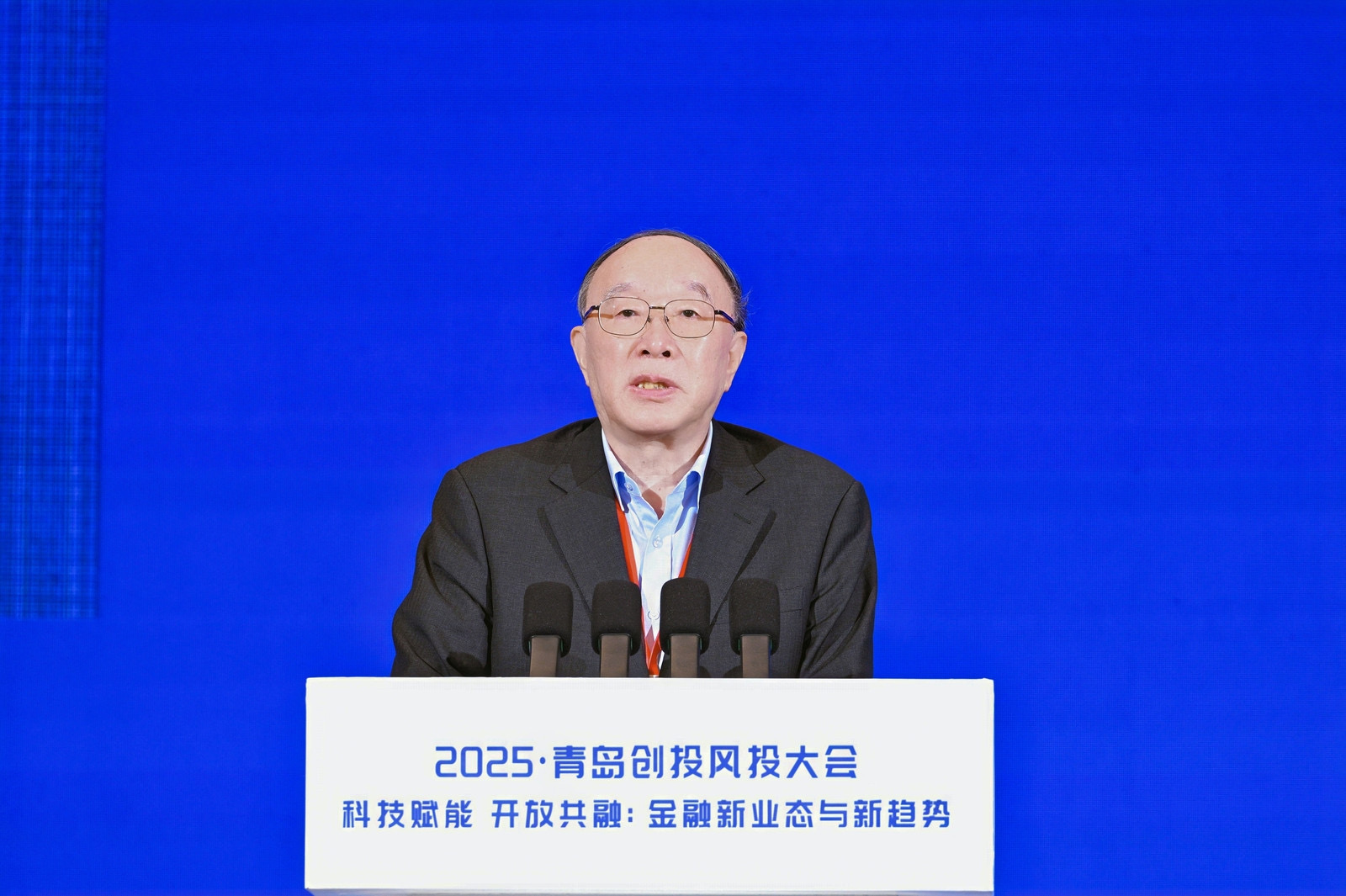
黄奇帆:抓好生产性服务业,是高质量发展的“关键一招”
Di Yi Cai Jing· 2025-09-28 13:14
Group 1 - The core viewpoint emphasizes the importance of the productive service industry as a key driver for high-quality economic development in China, particularly in the context of the upcoming "14th Five-Year Plan" and the 2040 vision [1][5] - Huang Qifan advocates for venture capital and private equity to focus on early-stage investments in the productive service sector, which he identifies as a crucial area for "hard technology" investment [1][8] - The productive service industry is recognized as a significant contributor to GDP growth, with its share increasing from 10% in 1980 to approximately 30% in recent years, highlighting its role as a growth engine for the economy [9][10] Group 2 - Huang Qifan points out that China's capital market has substantial growth potential, with the current market value at about 100 trillion RMB, representing only 70% of GDP, indicating room for expansion [4][5] - He predicts that by 2040, China's GDP could reach around 280 trillion RMB, suggesting that the stock market could potentially grow to 400 trillion RMB, aligning with the goal of achieving a 100% to 120% market capitalization to GDP ratio [5][6] - The current investment landscape shows a misallocation of funds, with 40% of venture capital invested in low-risk fixed income, which Huang Qifan argues should be redirected towards early-stage investments in the productive service sector [7][10] Group 3 - The productive service industry is described as the largest segment of GDP and a critical growth pole, essential for enhancing labor productivity and fostering innovation [8][9] - Huang Qifan highlights that successful unicorn companies often emerge from the productive service sector, which serves as a fertile ground for high-value enterprises [10][11] - The integration of productive service values into hardware and terminal equipment is crucial for creating high-value products, emphasizing the need for investment in this sector [11]