抹茶热潮

Search documents
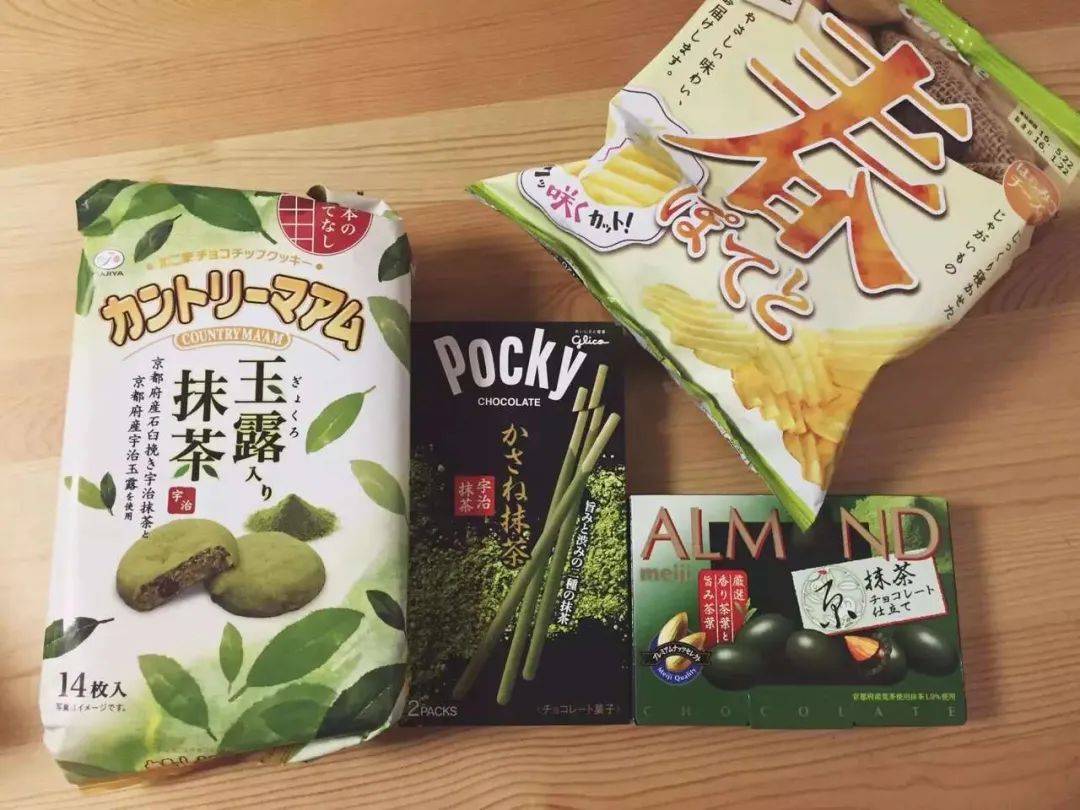
春节最火的茶是它?上海、深圳排长队,有品牌一年卖2.3亿
3 6 Ke· 2026-02-24 02:54
Core Insights - The matcha specialty store segment is experiencing rapid growth, with brands like Matcha Island and Jiu Shi Ye leading the charge by opening multiple locations in key urban areas and achieving significant sales figures [1][3][18] Group 1: Market Expansion - Matcha Island opened three new stores in major shopping centers before the Spring Festival, leveraging holiday traffic to build brand awareness [1] - Jiu Shi Ye has expanded to 71 stores nationwide, with projected annual revenue of approximately 2.3 billion yuan for 2025 [3] - Regional brands like Xian Ji and Mo Ji are also expanding, with Xian Ji achieving monthly revenues of 500,000 to 600,000 yuan at its flagship store [5][7] Group 2: Differentiation Strategies - New matcha specialty stores are characterized by three key features: refined flavors, targeted demographics, and diverse business models [8] - The focus on flavor refinement mirrors the coffee industry, with matcha being categorized by concentration, origin, and flavor profiles [9][11] - Jiu Shi Ye has developed a "flavor coordinate system" to help consumers choose matcha based on their preferences, enhancing the decision-making process [11] Group 3: Target Demographics - The matcha consumer base is diversifying, with entry-level users seeking mild flavors, while advanced users are willing to pay for premium quality [13] - Jiu Shi Ye aims to create a brand matrix that caters to all consumer segments, from casual drinkers to high-end consumers [13] Group 4: Innovative Business Models - The "matcha+" model is gaining traction, combining matcha with baked goods and desserts to create unique offerings [15][17] - Brands like Mo Ji are exploring cultural tourism by integrating matcha experiences into travel destinations [17] Group 5: Industry Outlook - The matcha trend is expected to continue, with industry experts optimistic about its longevity due to brand innovation and improved supply chains [18][24] - The recognition of domestic matcha is increasing, with consumers becoming more aware of its health benefits and cultural significance [23][26]


京都,为什么买不到抹茶了?
Hu Xiu· 2025-07-03 11:29
Core Insights - The demand for matcha products has surged significantly, driven by foreign tourists and a growing global interest in health-oriented foods [1][21][28] - Matcha has become a staple flavor in desserts and beverages, with a wide variety of new products being introduced annually in Japan [2][5][6] - The matcha market is expected to continue expanding, with projections indicating a compound annual growth rate of 9.4% from 2022 to 2027, reaching a market size of $5.5 billion by 2027 [40] Industry Trends - The popularity of matcha has been influenced by health trends, with consumers associating it with various health benefits, including weight loss and improved heart health [28][30] - Social media has played a crucial role in promoting matcha, with visually appealing matcha products gaining traction on platforms like Instagram and TikTok [33][34] - The collaboration between matcha and global coffee culture, particularly through major chains like Starbucks, has further solidified matcha's presence in the beverage market [36][37] Supply and Demand Dynamics - The supply of matcha has struggled to keep pace with the rising demand, leading to shortages and even purchase limits at some retailers [15][17][18] - The price of matcha has increased significantly, with raw matcha leaf prices rising by approximately 30% over the past five years [23] - The production of matcha faces challenges due to labor-intensive cultivation methods and an aging workforce in the tea industry [26] Consumer Behavior - There is a noticeable shift in foreign tourists' spending habits, moving from mere product purchases to immersive cultural experiences, such as tea ceremonies [38][39] - The trend of "superfoods" has positioned matcha as a desirable product among health-conscious consumers, despite its higher price point [30][28] - The emergence of creative matcha-infused products, such as matcha tofu snacks, reflects the evolving consumer preferences and market innovation [46]