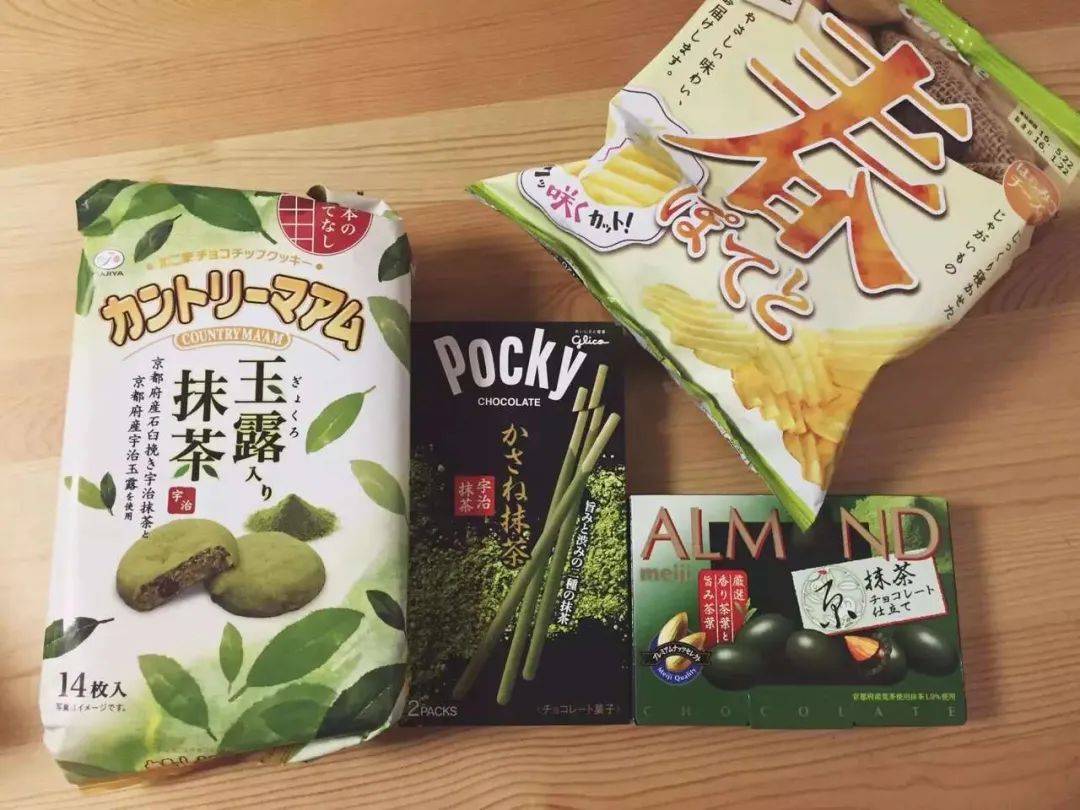
抹茶巧克力

Search documents
回应时代关切 讲述贵州故事
Xin Lang Cai Jing· 2026-01-27 20:00
Group 1: Village Sports and Cultural Development - The "Village Super" series has become a significant force for cultural confidence and rural revitalization in Guizhou, aiming to transform from a "internet celebrity" to a sustainable economic driver [1] - The development strategy includes leveraging local resources and cultural heritage to enhance economic growth and community well-being through the "Village Super" brand [1] - Future plans involve a comprehensive "new three-line" football system to further develop the "Village Super" brand and contribute to Guizhou's tourism and cultural identity [2] Group 2: Aluminum Industry Transformation - Zunyi Aluminum is focusing on high-quality development by transitioning from a resource-exporting model to a value-added industry through technological innovation [3] - The company has successfully utilized technology to convert waste into resources and has implemented AI to optimize energy consumption, saving over 70 million kWh annually [3] - Zunyi Aluminum aims to create a green circular economy by collaborating with downstream enterprises to maximize the value of aluminum production within Guizhou [3] Group 3: Matcha Industry Expansion - Guizhou Matcha has gained significant recognition both domestically and internationally, supported by government policies, quality standards, and innovative product development [4][5] - The company has established a stable supply chain that benefits around 200,000 tea farmers, enhancing their income through a cooperative model [5] - Future goals include increasing matcha production significantly by 2027 and 2030, aiming for a larger share in the global market [5] Group 4: Smart Tourism Development - Guizhou is advancing its tourism sector from "information-based" to "smart tourism" through the integration of big data technologies [6][7] - The "One Code to Travel Guizhou" initiative has streamlined access to tourism resources, enhancing visitor experience and operational efficiency [6] - The use of data analytics allows for personalized travel planning and improved service delivery, contributing to a more attractive tourism environment [7] Group 5: Healthcare Improvement Initiatives - The establishment of a national regional medical center in Bijie has enhanced local healthcare capabilities, introducing advanced technologies and minimally invasive procedures [8][9] - The hospital is focusing on building a strong medical workforce through collaboration with experts and training local talent [9] - Future plans emphasize improving patient services and operational efficiency to provide better healthcare access to the community [10] Group 6: Infrastructure and Economic Development - The completion of the Huajiang Gorge Bridge has significantly boosted local tourism and economic activity, attracting over 300,000 visitors during peak seasons [11][12] - The bridge serves as a model of Chinese engineering, showcasing local capabilities and innovation in construction [11] - It is expected to facilitate regional development by improving connectivity and supporting the growth of surrounding tourist attractions [12]
京都,为什么买不到抹茶了?
Hu Xiu· 2025-07-03 11:29
Core Insights - The demand for matcha products has surged significantly, driven by foreign tourists and a growing global interest in health-oriented foods [1][21][28] - Matcha has become a staple flavor in desserts and beverages, with a wide variety of new products being introduced annually in Japan [2][5][6] - The matcha market is expected to continue expanding, with projections indicating a compound annual growth rate of 9.4% from 2022 to 2027, reaching a market size of $5.5 billion by 2027 [40] Industry Trends - The popularity of matcha has been influenced by health trends, with consumers associating it with various health benefits, including weight loss and improved heart health [28][30] - Social media has played a crucial role in promoting matcha, with visually appealing matcha products gaining traction on platforms like Instagram and TikTok [33][34] - The collaboration between matcha and global coffee culture, particularly through major chains like Starbucks, has further solidified matcha's presence in the beverage market [36][37] Supply and Demand Dynamics - The supply of matcha has struggled to keep pace with the rising demand, leading to shortages and even purchase limits at some retailers [15][17][18] - The price of matcha has increased significantly, with raw matcha leaf prices rising by approximately 30% over the past five years [23] - The production of matcha faces challenges due to labor-intensive cultivation methods and an aging workforce in the tea industry [26] Consumer Behavior - There is a noticeable shift in foreign tourists' spending habits, moving from mere product purchases to immersive cultural experiences, such as tea ceremonies [38][39] - The trend of "superfoods" has positioned matcha as a desirable product among health-conscious consumers, despite its higher price point [30][28] - The emergence of creative matcha-infused products, such as matcha tofu snacks, reflects the evolving consumer preferences and market innovation [46]