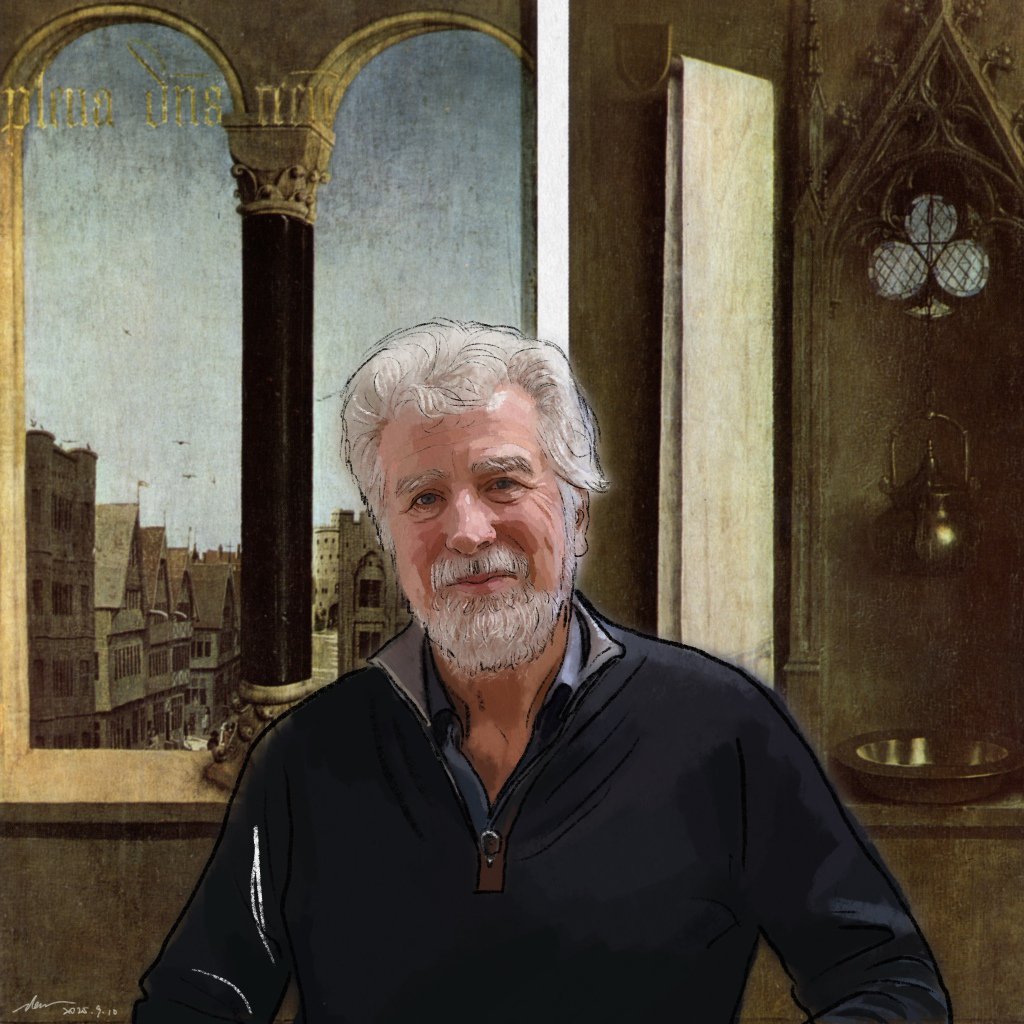
拟像

Search documents
对谈|在算法投喂时代保持清醒:从波德里亚到巴塔耶
Xin Lang Cai Jing· 2026-02-01 05:52
Core Idea - The article discusses the transition from a "consumer society" to a "simulacra" era, emphasizing the blurring lines between reality and virtuality in the digital age, as predicted by Jean Baudrillard in his work "Simulacra and Simulation" [1] Group 1: Baudrillard's Influence and Works - Jean Baudrillard's significant contributions to philosophy and sociology, particularly through his works from the 1960s to the 1980s, are highlighted, with "Simulacra and Simulation" being a key text [4][6] - The discussion includes Baudrillard's background, his academic journey, and the impact of the post-war "Thirty Glorious Years" in France on his thought process [7][9] - The importance of Baudrillard's concept of "symbol" is emphasized, which he uniquely defined and integrated into his philosophical framework, distinguishing it from other uses in academia [20][24] Group 2: Cultural Context and Symbolic Consumption - The article outlines the cultural context of Baudrillard's work, particularly the influence of the Marshall Plan and the introduction of American consumer goods in post-war France, which transformed societal norms [7][8] - The concept of symbolic consumption is explored, illustrating how consumer choices are influenced by the symbolic meanings attached to products rather than their practical utility [20][30] - The discussion also touches on the role of media and imagery in shaping consumer desires, as articulated by Baudrillard and contemporaries like Roland Barthes [24][25] Group 3: Theoretical Contributions and Critiques - Baudrillard's critiques of other prominent theorists, such as Michel Foucault and Gilles Deleuze, are presented, showcasing his unique perspective on power dynamics and societal control in modernity [21][22][23] - The article highlights the concept of "excess" in consumption, where the value of items is often derived from their perceived uselessness, reflecting social status [30][31] - The discussion includes the relevance of Baudrillard's ideas in contemporary society, particularly in relation to digital algorithms and the commodification of desires [34][35]

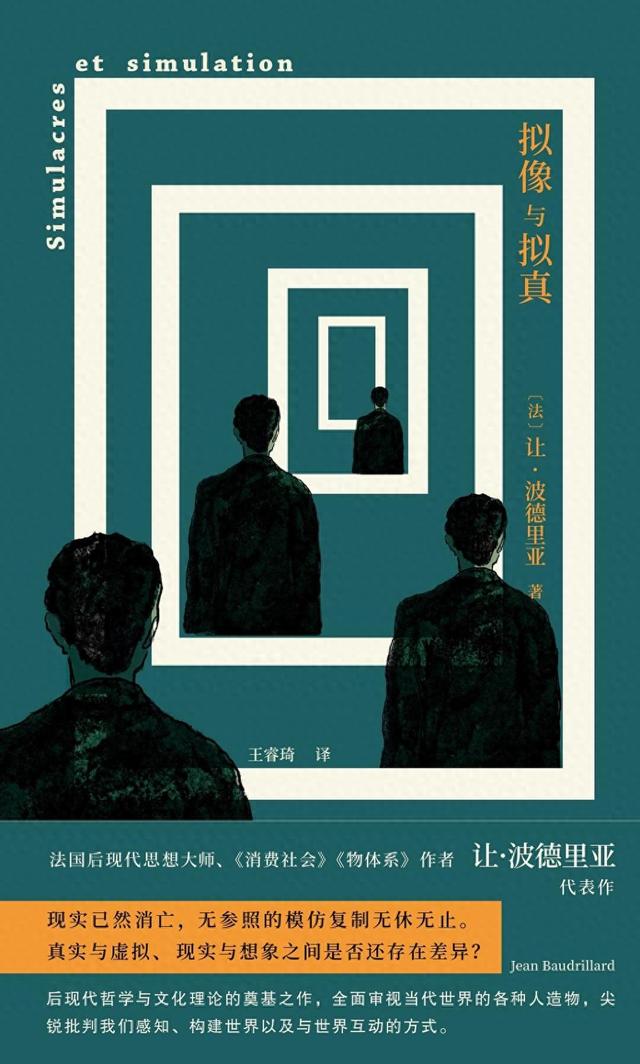
对谈|拟像统治的时代:从《黑客帝国》到迪士尼乐园
Xin Lang Cai Jing· 2025-12-15 00:26
Core Viewpoint - The discussion revolves around Jean Baudrillard's concepts of "simulacra" and "simulation," emphasizing their relevance in today's AI and social media-dominated world, as well as the implications for understanding reality and representation in contemporary society [1]. Group 1: Importance of Baudrillard's Work - Baudrillard's book "Simulacra and Simulation" is pivotal in his intellectual journey, marking a shift from earlier concepts of "symbolic political economy" to a focus on "simulacra" and "simulation" [4]. - The book is part of Baudrillard's "simulacra trilogy," which includes "Symbolic Exchange and Death" and "The Seduction," exploring the nature of reality and representation [4]. - The recent publication of the simplified Chinese version of "Simulacra and Simulation" has reignited interest in Baudrillard's theories, particularly in relation to cultural phenomena like "The Matrix" and Disneyland [1][4]. Group 2: Personal Engagement with Baudrillard's Ideas - Various scholars shared their personal journeys in engaging with Baudrillard's work, highlighting its influence on their academic pursuits and understanding of postmodernism [3][5][9]. - The impact of Baudrillard's theories on contemporary media studies is significant, as they challenge traditional notions of representation and reality [12][13]. Group 3: The Concept of "Simulacra" - The term "simulacra" has evolved from a negative connotation in Platonic philosophy to a critical concept in contemporary French thought, with implications for understanding media and reality [10][11]. - Baudrillard's "simulacra" is more of a sociological concept, critiquing the self-referential nature of images and symbols in modern society, particularly in the context of media technology [11]. Group 4: Media and Reality - Baudrillard's theory disrupts traditional media representations, suggesting that media no longer merely reflects reality but actively constructs it, leading to a "hyperreal" experience [12][13]. - The implications of this theory extend to contemporary issues such as algorithmic control and the nature of truth in media representations, particularly in the digital age [13][20]. Group 5: Cultural Representations of Simulacra - The discussion includes cultural examples like "The Matrix," which visually represents Baudrillard's theories of hyperreality and the nature of simulated experiences [16][17]. - Disneyland is presented as a quintessential example of simulacra, where the constructed environment obscures the reality of American life, serving as a metaphor for broader societal illusions [19][20].
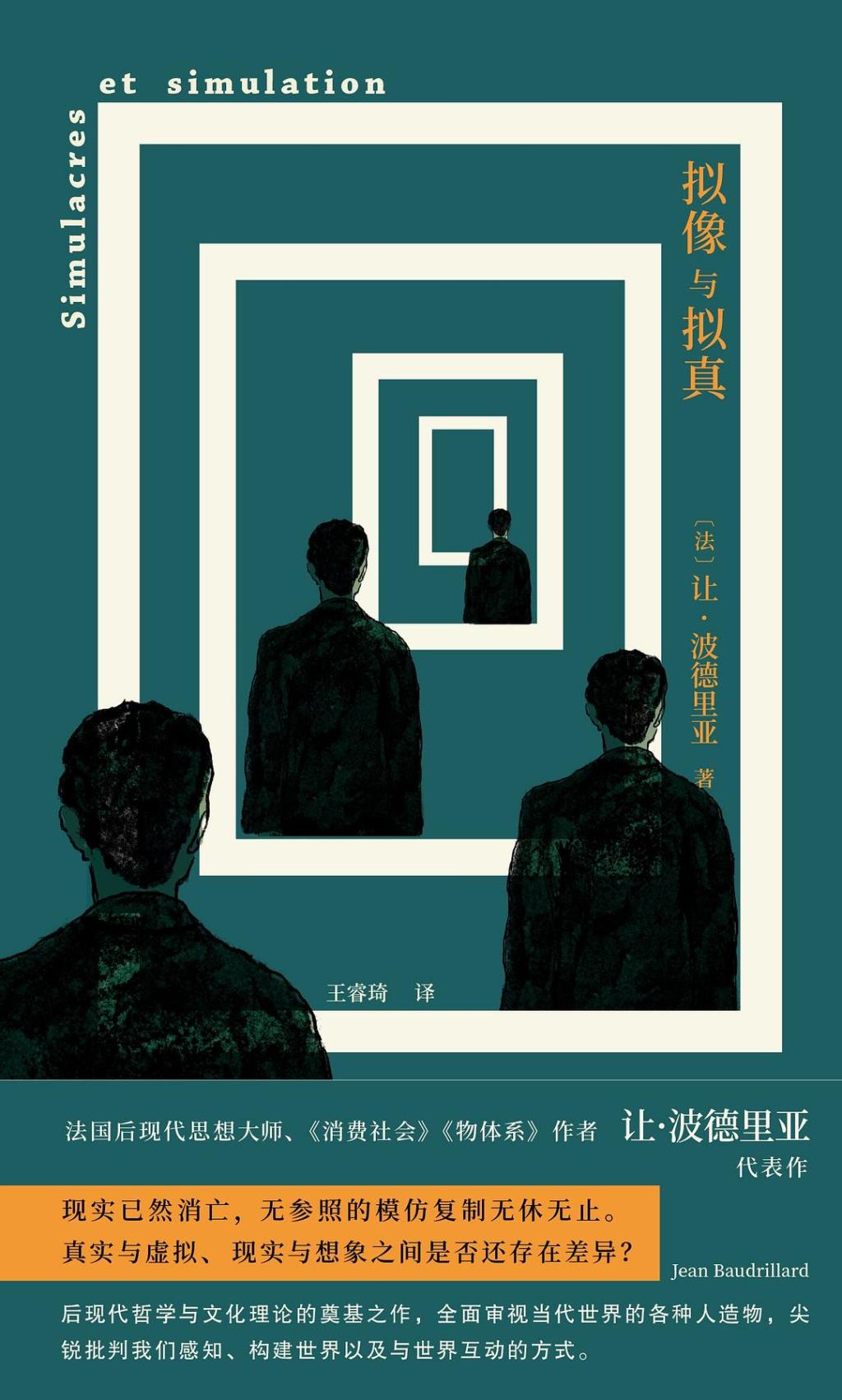
斯托伊奇塔谈作为思想实验的图像史
Xin Lang Cai Jing· 2025-09-14 01:46
Group 1 - Stojanica is a prominent art historian from Romania, known for his works that integrate various academic approaches, including post-structuralism and semiotics, to create a new narrative in art history [1] - His significant works, "The Birth of the Painting: The Early Modern European Meta-Painting" and "The Pygmalion Effect," have been translated into Chinese, providing a comprehensive understanding of his academic contributions [1] - "The Birth of the Painting" employs structural analysis and semiotic theory to reinterpret 15th and 16th-century European painting, linking it to contemporary art theories and religious movements [1][5] Group 2 - Stojanica's later work, "The Pygmalion Effect," explores the historical relationship between sculpture and its models, as well as the dynamic between images and life, reflecting a broader narrative approach [1][11] - His academic journey began in Romania, influenced by a family background in medicine and art, leading to a focus on art history as a substitute for his initial interest in underwater archaeology [5][7] - The influence of key figures in French and German art theory, such as Hans Belting and Louis Marin, has shaped Stojanica's scholarly voice, positioning him as a significant contributor to contemporary French art history [1][14][16] Group 3 - Stojanica's works are interconnected, with a common thread focusing on how art narratives reflect self-reflection and the dichotomy of artistic representation [11][12] - His engagement with the concept of "hybridity" in cultural identity is evident in his writings, as he navigates the complexities of being a non-native French speaker in the academic landscape [20][21] - The dialogue between his works and those of contemporaries like Gombrich highlights differing interpretations of the Pygmalion myth, emphasizing the complexity of representation in art [33][34] Group 4 - Stojanica's exploration of media in art history has evolved, with a focus on the materiality of painting and the interplay between different artistic mediums [39][42] - His recent works reflect a critical engagement with contemporary art practices, suggesting that historical artworks remain relevant and can inform modern artistic discourse [44][45] - The ongoing discourse around decolonization in art history and the global shift challenges traditional Western narratives, prompting a reevaluation of cultural perspectives in Stojanica's research [47][48]