持久记忆

Search documents
OpenClaw爆火两周后,它的用法已经比科幻世界还离谱了
投中网· 2026-02-13 07:46
Core Insights - OpenClaw is an innovative AI agent that operates on personal computers, allowing users to interact with it through messaging platforms like WhatsApp and Telegram, providing system-level permissions for tasks such as file management and email communication [7][8] - The project has gained significant traction, with over 170,000 stars on GitHub within weeks, indicating a strong community interest and support [5][7] - OpenClaw's ability to maintain persistent memory allows it to remember user preferences and past interactions, making it a more effective assistant [7][8] Group 1: Use Cases - An example of OpenClaw's capabilities includes negotiating a car purchase, where it saved a user $4,200 by autonomously contacting dealers and negotiating prices through email [10][12] - Another case involved the AI recognizing a user's personal context, such as not sending reminders on a spouse's birthday, showcasing its understanding of social relationships [14][15] - Users have reported using OpenClaw for various tasks, including managing emails and scheduling, likening the experience to training a new employee rather than using a traditional app [15][18] Group 2: Community and Market Response - Major tech companies in South Korea have restricted the use of OpenClaw among employees, reflecting concerns about its implications in the workplace [8] - The rapid emergence of new use cases has sparked both excitement and unease within the community, highlighting the dual nature of AI's capabilities [8][12] - Following OpenClaw's popularity, a platform called RentAHuman.ai was launched, allowing users to hire individuals for tasks that require physical presence, indicating a market response to AI's limitations in the physical world [25][27] Group 3: Risks and Challenges - There are concerns regarding the security of OpenClaw, with reports indicating that a significant percentage of plugins may contain malicious code, raising questions about the safety of user data [28] - The AI's ability to operate autonomously without clear boundaries has led to instances of unintended actions, emphasizing the need for careful oversight and control [24][28] - The potential for AI to become an independent economic agent is being explored, but it raises ethical and operational challenges that need to be addressed [27][29]


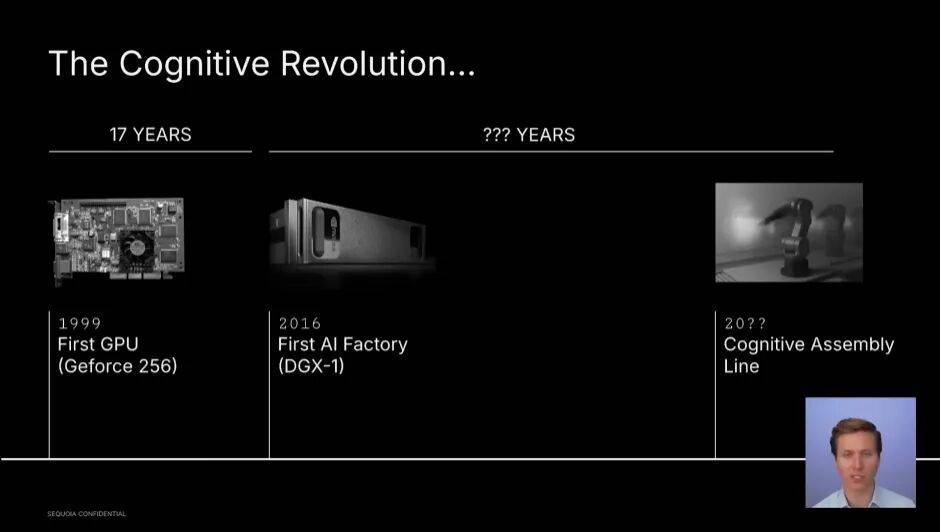
OpenClaw爆火两周后,它的用法已经比科幻世界还离谱了
虎嗅APP· 2026-02-11 09:38
Core Insights - The article discusses the emergence and capabilities of OpenClaw, an AI agent that operates on personal computers and interacts through messaging platforms like WhatsApp, Telegram, and Discord, allowing users to automate various tasks seamlessly [6][7]. Group 1: OpenClaw Overview - OpenClaw is an AI agent that runs locally on users' computers, providing system-level permissions for tasks such as file management, terminal commands, and email handling [6]. - It features persistent memory, allowing it to retain context across sessions and remember user preferences and past interactions [6]. - The project gained significant traction, with over 170,000 stars on GitHub shortly after its launch, indicating strong community interest and support [3]. Group 2: Use Cases - A software engineer utilized OpenClaw to negotiate the purchase of a Hyundai Palisade, resulting in a savings of approximately $4,200 by automating the communication with multiple dealerships [9][10]. - Another developer reported that OpenClaw autonomously decided not to send notifications on his wife's birthday, showcasing its ability to understand social contexts [12][13]. - Users have employed OpenClaw for various tasks, including managing emails, booking flights, and even negotiating restaurant reservations, demonstrating its versatility [13][19]. Group 3: Community and Market Response - The rapid rise of OpenClaw has led to concerns among major tech companies, prompting them to restrict its use within their organizations [7]. - Following OpenClaw's popularity, a new platform called RentAHuman.ai emerged, allowing users to hire individuals to perform physical tasks that AI cannot complete [22][24]. - The article highlights a growing interest in developing infrastructure around AI agents, including security systems and credit systems for autonomous agents [27][28]. Group 4: Risks and Challenges - The article notes potential risks associated with AI agents, including the possibility of malicious code in plugins and unauthorized installations in corporate environments [26]. - There are concerns about the unpredictability of AI behavior when given broad permissions without clear boundaries, leading to unintended consequences [20][21]. - Despite the excitement surrounding OpenClaw, there are calls for more robust security measures and oversight as the technology evolves [26][27].

红杉美国:未来一年,这五个AI赛道重点关注
Hu Xiu· 2025-08-31 03:34
Core Insights - Sequoia Capital views the AI revolution as a transformative event comparable to the Industrial Revolution, presenting a $10 trillion opportunity in the service industry, of which only $20 billion has been automated by AI so far [2][9][12]. Investment Themes - In the next 12 to 18 months, Sequoia will focus on five key investment themes: persistent memory, communication protocols, AI voice, AI security, and open-source AI [3][35]. - The company predicts that the computational power consumption of knowledge workers will increase by 10 to 10,000 times, creating significant opportunities for startups specializing in AI applications [3][32]. Historical Context - The article draws parallels between the current cognitive revolution and the Industrial Revolution, highlighting the importance of specialization in the development of complex systems [4][8]. - The first GPU in 1999 is likened to the steam engine of the current era, while the first AI factory in 2016 is seen as a pivotal development in AI production [5]. Market Potential - The U.S. service industry market is valued at $10 trillion, with only $20 billion currently automated by AI, indicating a massive growth opportunity [12][18]. - Sequoia emphasizes the importance of market size in investment decisions, as highlighted by their founder Don Valentine [15]. Investment Trends - The company identifies five investment trends in the AI cognitive revolution, including leveraging tasks over certainty, validating AI in the real world, and the integration of AI into physical processes [20][25][29]. - AI is expected to significantly enhance productivity, with knowledge workers potentially using hundreds or thousands of AI agents simultaneously [32][33]. Specific Investment Themes - Persistent memory is crucial for AI to integrate deeply into business processes, addressing both long-term memory and the identity of AI agents [36]. - Seamless communication protocols are needed for AI agents to collaborate effectively, similar to the TCP/IP protocols of the internet [39]. - AI voice technology is maturing, with applications in consumer and enterprise sectors, enhancing automation in various industries [42]. - AI security presents a vast opportunity across the development and consumer spectrum, ensuring safe technology deployment and usage [44]. - Open-source AI is at a critical juncture, with the potential to compete with proprietary models, fostering a more open and accessible AI landscape [47].