操作系统竞争

Search documents
鸿蒙电脑企业版操作系统开启Beta
第一财经· 2025-12-11 13:14
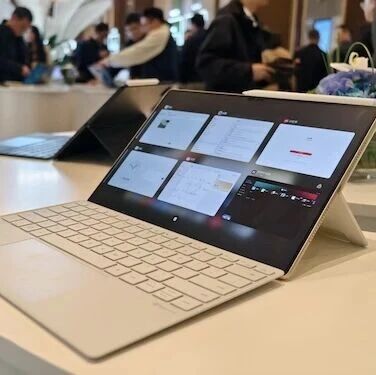
Core Viewpoint - Huawei's HarmonyOS is expanding its focus from consumer markets to the more challenging commercial office sector, aiming to disrupt the long-standing dominance of Windows in enterprise computing [3][4][6]. Group 1: Market Position and Strategy - Huawei's HarmonyOS computer enterprise version has entered the beta testing phase, with the new HarmonyOS-based Huawei Qingtian HM740 officially launched [3][4]. - Windows currently holds a dominant market share of 75% to 80% in China's PC market, particularly in the commercial sector, making it a significant target for Huawei's new operating system [4][6]. - Huawei's strategic shift includes rebranding its consumer business to "terminal business" and focusing on both government and enterprise clients, indicating a dual-track approach to market penetration [6][7]. Group 2: Product Features and Innovations - The HarmonyOS computer enterprise version is designed to be fully self-controlled and is built on the HarmonyOS 6 foundation, featuring a "digital twin space" technology that ensures data and network isolation between personal and enterprise spaces [7][8]. - The application ecosystem for HarmonyOS has seen explosive growth, with over 12,000 applications now available, significantly enhancing its appeal for enterprise users [7]. - AI functionalities within the HarmonyOS include tools that can generate complete industry reports in 20 minutes and provide real-time transcription and meeting minutes [8]. Group 3: Market Opportunities and Challenges - Despite the challenges posed by Windows' entrenched position, HarmonyOS is creating new market opportunities through its distributed capabilities and cross-terminal interactions [9]. - The transition of existing enterprise software, which is often deeply customized for Windows, poses a significant challenge for HarmonyOS adoption, as companies are typically cautious about migrating to new systems [9]. - The introduction of HarmonyOS represents a potential shift in the competitive landscape, offering an alternative to existing solutions and aiming to change the rules of the game in enterprise computing [9].

转向优化为Windows掌机,微软被V社逼到了墙角
3 6 Ke· 2025-06-06 12:43
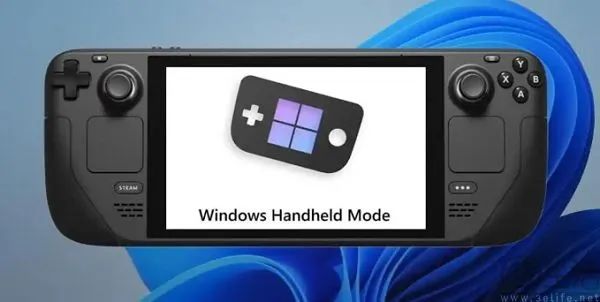
Core Viewpoint - Valve has opened SteamOS to third-party handheld devices, prompting Microsoft to shift its focus from developing a native Xbox handheld to optimizing Windows 11 for third-party devices [1][3]. Group 1: Valve's Strategy - Valve's SteamOS 3.7.8 version has been released, allowing third-party handheld devices to utilize the operating system [1]. - The rapid deployment of SteamOS has disrupted Microsoft's plans in the handheld gaming market [3]. - Steam Deck has revitalized the handheld gaming market, and the tailored features of SteamOS have given Valve a competitive edge [3][5]. Group 2: Microsoft's Response - Microsoft is prioritizing the optimization of Windows 11 for third-party handhelds instead of developing a native Xbox handheld [3][5]. - Phil Spencer, head of Microsoft's gaming division, indicated that most of Microsoft's games can run on devices like the ROG handheld, but they do not see a suitable entry point into the market [5]. - Windows 11 has become the dominant operating system for x86 handhelds, but its performance and battery life are inferior to SteamOS [10][11]. Group 3: Performance Comparison - Testing shows that SteamOS outperforms Windows 11 by at least 15% in terms of performance for games like Cyberpunk 2077 and The Witcher 3 [10][12]. - Battery life improvements on devices running SteamOS can range from 25% to 200% compared to those running Windows 11 [10]. - Windows 11 on handhelds has been reported to have more bugs and issues compared to SteamOS, affecting user experience [12]. Group 4: Market Implications - The competition between a closed SteamOS and an open Windows 11 is shaping the handheld gaming landscape [5][14]. - Microsoft's strategy mirrors Google's approach with Android, aiming to support OEMs while not directly entering the handheld market [14][15]. - If third-party manufacturers pre-install SteamOS on their devices, Windows 11's competitive advantage may diminish significantly [17].