政治利益

Search documents
总统位置不香了,特朗普还想另谋其职,美元百年信用命悬一线
Sou Hu Cai Jing· 2025-11-19 10:43
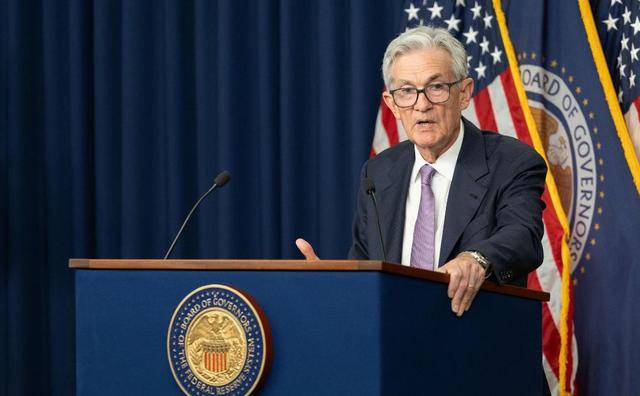
Core Viewpoint - The article discusses the shifting power dynamics between the U.S. presidency and the Federal Reserve, highlighting how Trump's actions and rhetoric have raised concerns about the independence of the Fed and the stability of the U.S. dollar's creditworthiness [1][10]. Group 1: Federal Reserve's Role and Independence - The Federal Reserve is described as a powerful institution that influences both the U.S. economy and global financial markets, with its decisions impacting over $70 trillion in financial assets [2]. - The independence of the Federal Reserve is crucial for maintaining confidence in the U.S. dollar, as it prevents monetary policy from being swayed by short-term political interests [3][5]. - Trump's public criticism of Fed Chairman Jerome Powell reflects a significant challenge to this independence, as he seeks to influence monetary policy to benefit his political agenda [4][10]. Group 2: Political and Economic Implications - Trump's desire for low interest rates and loose monetary policy is aimed at boosting the stock market and economic growth to enhance his political standing, which conflicts with Powell's focus on inflation and employment [4][8]. - The potential for Trump to replace Powell raises alarms about the Fed becoming a political tool, which could undermine the dollar's status as the world's reserve currency [4][10]. - The article warns that if the Fed loses its independence, it could lead to a loss of trust in the U.S. financial system, resulting in a significant shift in global capital flows and a potential financial crisis [9][10]. Group 3: Global Financial Landscape - The ongoing debate about the Fed's independence has led to increased volatility in the dollar index and a trend towards "de-dollarization" among various economies, indicating a growing distrust in the U.S. financial system [9][10]. - The article emphasizes that the stability of the global financial system relies on the credibility of the U.S. dollar, which is threatened by political interference in monetary policy [10][12]. - Countries are increasingly exploring alternatives to the dollar, which could reshape the global financial landscape and reduce reliance on U.S. monetary policy [13][14].