
政治学

Search documents
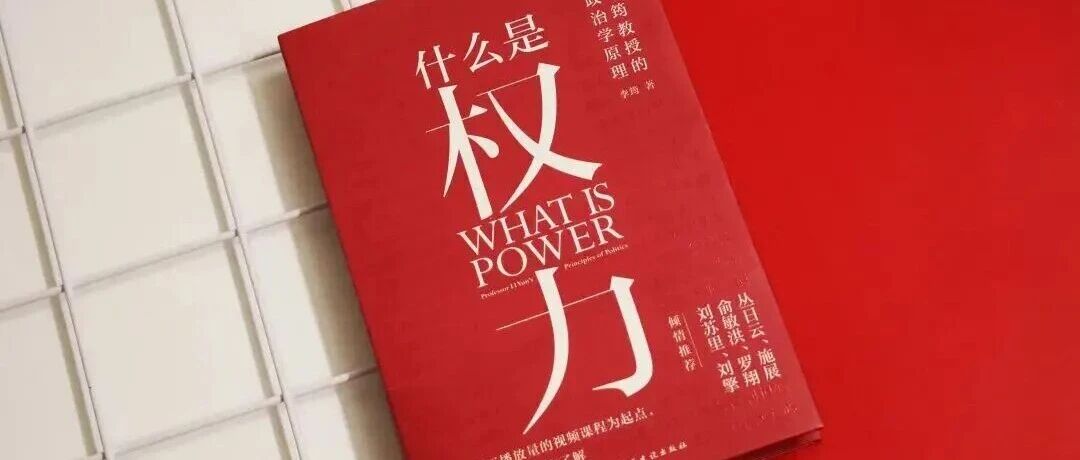
为什么“有人的地方就有江湖”?
首席商业评论· 2025-12-01 04:29
Core Viewpoint - The article emphasizes that escaping from the "jianghu" (the social and political realm) is impossible, as human interactions inherently involve power dynamics and political elements [2][3][4]. Group 1: Nature of Power - Power is not merely an external construct but is rooted in human emotions and relationships, particularly in feelings of possession and comparison [7]. - The existence of power is essential for resolving disputes, and it regenerates whenever people gather, regardless of their intentions [4][7]. - The scarcity of power leads to a perpetual state of struggle within human society, as both rulers and the ruled perceive power as limited [7]. Group 2: Political Dynamics - Understanding politics is crucial for navigating social interactions, as it involves recognizing the need for cooperation and coexistence rather than competition [8][10]. - The article contrasts "thick black theory," which promotes self-serving behavior, with political science, which aims to establish systems that allow for harmonious living among individuals [8][10]. - Political science seeks to arrange power with boundaries, checks, and transparency, focusing on coexistence rather than mere victory [8][10]. Group 3: Implications for Society - The inability to exit the "jianghu" leads to the necessity of learning how to engage with it effectively, which is essential for a good public life [10][11]. - The insights from the article suggest that understanding power dynamics can enhance one's comprehension of human nature and the omnipresence of politics in daily life [11].

为什么“有人的地方就有江湖”?
首席商业评论· 2025-11-27 04:12
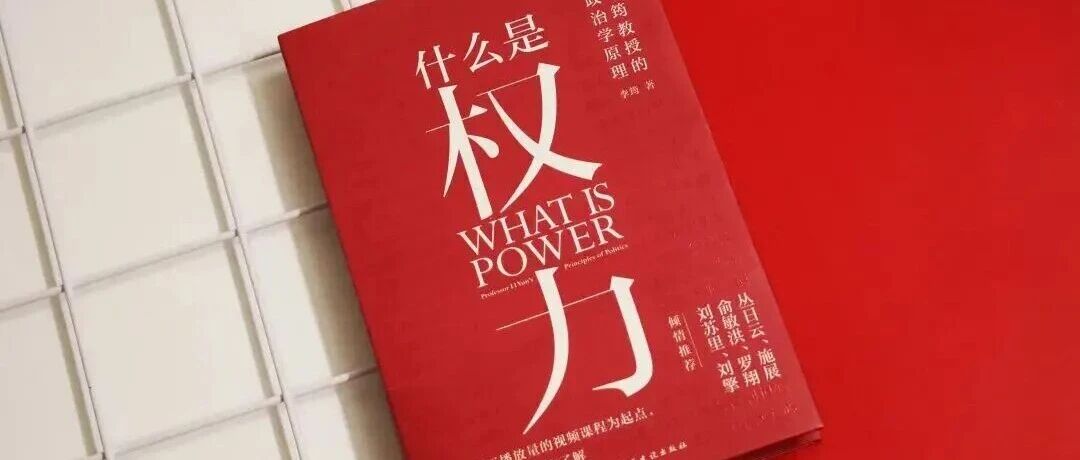
Group 1 - The core idea of the article emphasizes that escaping from the "jianghu" (the social realm) is impossible, as political dynamics are inherent in human interactions [2][3][4] - The concept of power is explored, highlighting that it arises from human relationships and the need to resolve disputes, making it a fundamental aspect of society [4][7] - The article discusses the paradox of power, where the absence of power leads to disorder, while the presence of power can create new forms of authority [4][8] Group 2 - The article argues that political roots lie in human emotions and desires, rather than external systems, suggesting that power is defined by our internal conflicts and competition [7][8] - It critiques the notion of "thick black theory," which promotes self-serving behavior, and contrasts it with political science's goal of fostering coexistence and mutual respect [8][10] - The article concludes that understanding power dynamics is essential for navigating social interactions, emphasizing that political awareness can lead to better human coexistence [10][11]
为什么“有人的地方就有江湖”?
首席商业评论· 2025-11-03 03:50
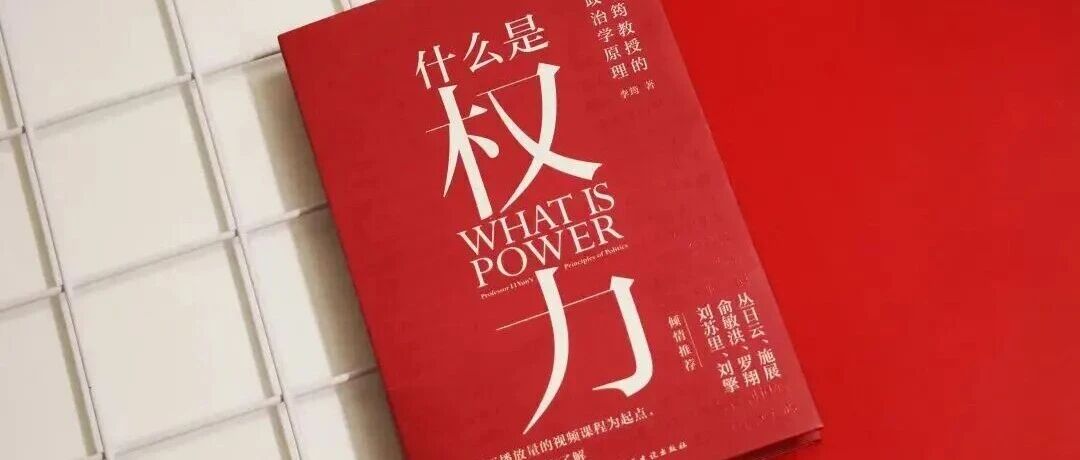
Group 1 - The core idea of the article emphasizes that politics is an inherent part of human interaction and cannot be escaped, as illustrated by the metaphor of "江湖" (the rivers and lakes) which represents social dynamics and conflicts [2][4][11] - The concept of power is explored, highlighting that it arises from human relationships and the need to resolve disputes, making it a fundamental aspect of society [4][7][10] - The article discusses the paradox of power, where the absence of power leads to chaos, while the presence of power can lead to tyranny, indicating that humans are trapped in a cycle of power dynamics [4][8] Group 2 - The article argues that political understanding is rooted in human emotions and desires, suggesting that power struggles originate from innate feelings of hostility and competition [7][10] - It critiques the notion of "厚黑学" (thick black theory), which promotes self-serving behavior, and contrasts it with political science that seeks to establish cooperative frameworks for coexistence [8][10] - The text posits that the goal of political science is to manage power effectively, ensuring it is bounded, balanced, and transparent, rather than merely seeking to win power [8][10][11]
东北师大教授赵连章病逝,曾主编《政治学新论》《政治学概论》
Peng Pai Xin Wen· 2025-03-24 10:19
Core Points - Zhao Lianzhang, a prominent scholar in political science and a professor at Northeast Normal University, passed away on March 20, 2025, at the age of 76 due to illness [1] - He was a key figure in the development of the political science discipline at Northeast Normal University, contributing significantly to its establishment and growth [2][3] Group 1 - Zhao Lianzhang was born in May 1949 in Jilin Province and had a distinguished career in education and political science, serving as a professor and doctoral advisor [1] - He was recognized as an expert with outstanding contributions in Jilin Province and received special government allowances from the State Council [1] - His teaching philosophy emphasized respect and creativity, focusing on practical applications of political science [2] Group 2 - Zhao Lianzhang played a crucial role in the establishment of master's and doctoral degree programs in political science at Northeast Normal University, with the master's program being authorized in 1981 and the doctoral program in 1986 [2] - He authored and edited several influential works in political science, including "Persisting and Innovating: Research on the Sinicization of Marxist Political Science" and "Contemporary Chinese Politics and Political Development" [3] - Over his 40-year teaching career, he trained more than 200 master's and doctoral students, contributing to the development of various professionals in government, education, and business [2]