教育消费

Search documents
海南两会观察:“三篇消费文章”释放新动能
Sou Hu Cai Jing· 2026-01-28 02:45
Core Insights - Hainan's duty-free sales account for over 8% of the global duty-free market, with the Boao Lecheng International Medical Tourism Pilot Zone receiving 865,000 medical tourists, and the Lingshui Li'an International Education Innovation Pilot Zone gathering 26 renowned domestic and international universities [1][3] Group 1: Duty-Free Shopping - Hainan's duty-free shopping is a key attraction for tourism, with a new policy set to be implemented on November 1, 2025, which is expected to boost the sector [3] - In the first month after the island's customs closure, Hainan's duty-free sales reached 5.02 billion yuan, a year-on-year increase of 46.8% [3] - The Hainan provincial government aims to enhance the variety of products offered by duty-free entities and support more quality merchants in conducting outbound tax refund businesses [3] Group 2: Medical Tourism - The Lecheng Pilot Zone, as China's only "medical special zone," has introduced 540 licensed medical products and 39 medical institutions, with projected medical revenue of 8.39 billion yuan by 2025 [3][4] - In the past year, over 9,300 foreign patients from 14 countries visited the Lecheng Pilot Zone for medical treatment, with a sixfold increase in foreign patient numbers following the customs closure [3][4] - The zone has developed 23 specialized medical tourism routes and upgraded its service system, including the establishment of the first wholly foreign-owned hospital in Hainan [4] Group 3: Education Sector - Hainan is promoting the "Study in Hainan = Study Abroad" brand, with the Lingshui Li'an International Education Innovation Pilot Zone implementing a "big sharing + small college" model [5] - The goal is to reach a student and teacher scale of 10,000 by the 2025 academic year, with plans for further expansion [5] - Currently, 86 countries' citizens can enter Hainan visa-free, contributing to a projected 1.5 million inbound tourists by 2025, a 35.2% increase [5] Group 4: Future Prospects - Hainan's consumption market potential continues to be released, with government plans to boost consumption and expand the supply of quality goods and services [6] - The province aims to support various economic sectors, including the silver economy and night economy, while promoting marine tourism activities [6] - A projected 8% increase in domestic and international tourist arrivals is anticipated [6]

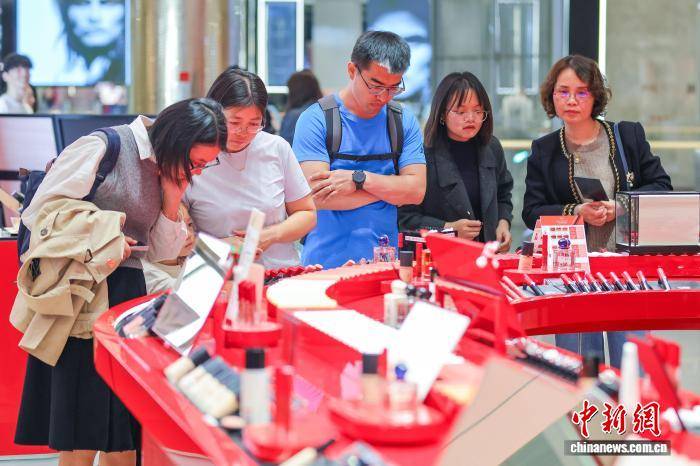
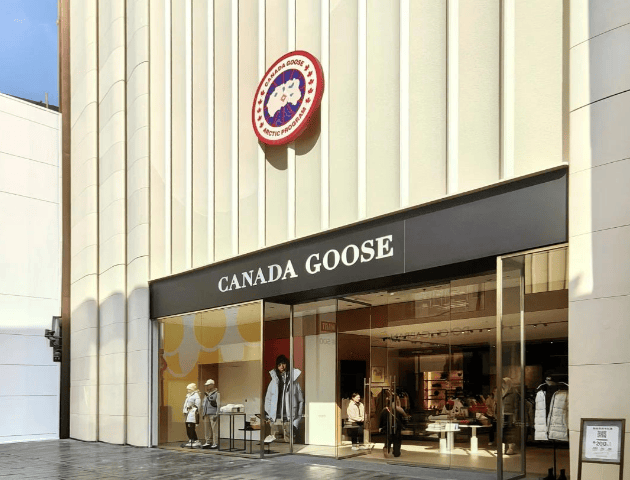
上万元加拿大鹅羽绒服三亚仅6900元
Sou Hu Cai Jing· 2026-01-06 08:41
Core Insights - The price disparity of Canada Goose jackets in Sanya compared to Beijing highlights the significant variation in brand premium across different markets, suggesting that consumers may pay more for perceived value rather than actual quality [2][3] Group 1: Brand Premium Duality - The case of Canada Goose illustrates that brand value often encompasses cultural symbols and emotional recognition, leading consumers to pay extra for labels like "prestigious schools" or "international certifications" in education, which may not correlate with the actual quality of education [3][5] - Parents often equate "prestigious schools" with high-quality education, leading to a blind pursuit of international schools and study abroad programs, despite the possibility that the curriculum may not meet their children's needs [5] Group 2: Regional Price Differences - The lower price of Canada Goose jackets in Sanya reflects how consumption context influences pricing, similar to the significant price differences in educational courses between first-tier and lower-tier cities [4] - Parents should be cautious that high prices do not necessarily indicate quality, as some online courses may offer high-value content at lower costs, while some offline institutions may inflate prices due to overhead costs [4] Group 3: Marketing Misleading - Educational institutions often use marketing language that creates anxiety, such as "starting line" and "future security," to drive consumer spending, similar to how Canada Goose's branding may exaggerate its actual value [6][7] - Parents may pay for solutions to "future anxiety" rather than actual educational benefits, as seen in some courses that promise to cultivate future engineers but only cover basic programming concepts [7] Group 4: Ignoring Individual Needs - The core of educational consumption should focus on children's growth needs rather than brand labels, as the low price of Canada Goose in Sanya indicates that consumers prioritize actual usage scenarios [8] - Parents should select courses based on their children's interests and abilities rather than following trends, as mismatched choices can lead to a loss of motivation in learning [8] Group 5: Recommendations for Educational Choices - Prioritize evaluating course outlines, teacher backgrounds, and teaching methods over institutional reputation [9] - Validate course effectiveness through periodic assessments and student feedback to ensure value [9] - Conduct comprehensive comparisons of different institutions and courses based on content, price, and reputation [9] - Focus on long-term growth rather than short-term achievements when assessing educational programs [9] - Be wary of marketing claims of exclusivity and demand scientific validation for educational programs [9] - Choose courses based on children's interests and current abilities to avoid mismatched expectations [9]
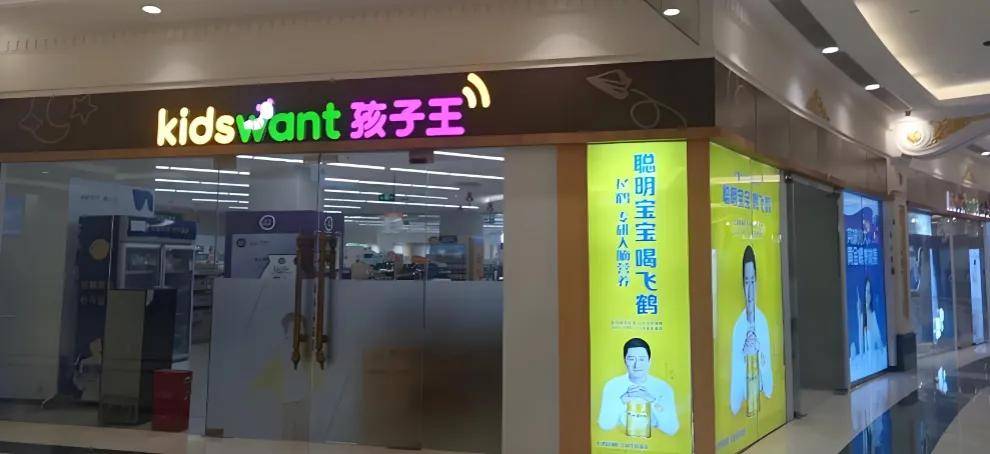
孩子王赴港IPO:并购驱动下的“亲子经济”突围战
Sou Hu Cai Jing· 2025-12-15 03:45
Core Viewpoint - The company, Kid Wang, is expanding its business model by integrating educational services into consumer scenarios, enhancing user engagement and building competitive barriers in the parenting and education sector [3][5]. Financial Performance - Kid Wang's revenue projections for 2022 to 2024 are 8.52 billion, 8.753 billion, and 9.337 billion yuan respectively, with net profits of 120 million, 121 million, and 205 million yuan [2]. - In the first three quarters of 2025, the company achieved a revenue of 7.349 billion yuan, representing an 8.1% year-on-year growth, and a profit of 209 million yuan, up 59.29% year-on-year [2]. Business Strategy - The company is implementing a "three expansions" strategy: expanding product categories, market segments, and business formats, aiming to create a comprehensive consumption loop covering ages 0-18 and extending to parents [5][8]. - Kid Wang's acquisition of Le You International is expected to contribute over half of its net profit in 2024, although excluding consolidation effects, the net profit attributable to the parent company is only 76.72 million yuan, lower than 2022 levels [4]. Technological Integration - Kid Wang is actively incorporating AI products across its channels, including self-developed AI companion dolls and educational robots, although these products are still in the early stages and do not significantly impact financial performance yet [7][10]. - The introduction of AI products is seen as a signal of the company's intent to internalize educational technology capabilities into its services, presenting opportunities for collaboration with educational content providers [11]. Market Landscape - The Chinese maternal and child products and services market is projected to reach 3.995 trillion yuan in 2024, with Kid Wang holding a market share of only 0.3%, indicating significant room for industry consolidation [12]. - The company is transitioning from a retail-focused entity to a family service platform, with the monetization of educational services being a key factor in its valuation restructuring [13]. Challenges and Opportunities - The declining birth rate and pressure on non-essential spending in the maternal and child sector pose challenges for growth [15]. - There are opportunities for collaboration with platforms like Kid Wang to leverage their store networks for content distribution and user engagement in early childhood education and family support services [15].