
医疗旅游

Search documents
中金 | 向高处行:马来西亚冲刺高收入国家行列
中金点睛· 2026-02-24 23:41AI Processing
中金研究 高附加值制造强国,全球 产业影响 力凸显。 马来西亚是东盟唯一拥有本土内燃机汽车品牌(宝腾和第二国产车)的国家,2024年两大国产品牌占国内整 车市场份额的62%。其电气电子行业以47%的占比主导2024年制造业出口,半导体全球市占率达7%。依托"国家半导体产业战略"(注资250亿马币) 与"2030年新工业大蓝图",马来西亚半导体产业正加速向价值链上游转移,已吸引英特尔(71亿美元)与英飞凌(54亿美元)等重大投资。据世界银行, 马来西亚的营商便利度全球排名第12位,劳动力受教育程度高(识字率达95%),且劳动生产率保持稳定增长(2015–2024年复合年增长率2.9%)。 服务业为支柱产业,经济增长动力强劲。 2024年服务业占马来西亚GDP比重达59.3%,2015–2024年复合年增长率4.8%。2024年,数字经济GDP占比为 23.4%,持续吸引全球科技巨头注资。医疗旅游呈现复苏态势,受到成本优势及JCI认证医疗机构吸引力的驱动,2024年医疗旅游人次达152万,创收5.95 亿美元。马来西亚医疗旅游理事会提出了到2030年实现120亿马币医疗旅游收入的目标。 出口导向型经济,全球市场准 ...

医疗旅游风口已至 当乘势而上打造新兴产业
Mei Ri Jing Ji Xin Wen· 2026-02-05 12:00
Group 1 - The core viewpoint is that China's medical industry is gaining international attention due to its efficient treatment processes and cost-effective services, marking a significant opportunity for the medical tourism sector [1] - China's medical competitiveness is enhanced by three main factors: treatment models, medical costs, and technological advancements [1] - The treatment model in China allows for faster consultations compared to countries with universal healthcare systems, where referral processes can be lengthy [1] Group 2 - Despite the potential, China's medical tourism industry is currently underdeveloped, with reports indicating that it does not rank among the top destinations for medical tourism, unlike South Korea and Thailand [2] - Many foreign patients seeking medical care in China do so as an emergency during travel, rather than for dedicated medical tourism, highlighting a gap in perception and service [2] - To improve the situation, Chinese medical institutions need to actively promote their capabilities and address shortcomings in international certification and multilingual services [2] Group 3 - Collaboration among government, enterprises, and medical institutions is essential for the growth of the medical tourism industry, with a focus on integrating healthcare services with tourism [3] - The influx of foreign patients is not currently overwhelming medical resources, presenting an opportunity for the development of the medical tourism sector [3] - The combination of China's technological advantages in healthcare and the global medical tourism market, which is valued in trillions, requires a coordinated effort to elevate China's position in the global medical tourism landscape [3]
老外纷纷点赞到中国看病!是否挤占医疗资源?三级医院院长回应
Mei Ri Jing Ji Xin Wen· 2026-02-03 22:30
Core Viewpoint - The trend of foreign patients seeking medical treatment in China is gaining momentum, with the country being recognized for its efficient and cost-effective healthcare services, contrasting the previous trend of wealthy Chinese patients traveling abroad for medical care [1][3]. Group 1: Medical Tourism Growth - The discussion around foreign patients coming to China for medical treatment has surged, with social media highlighting the efficiency and affordability of Chinese healthcare compared to countries like the UK [1][3]. - A significant disparity in waiting times and costs is noted, with a UK patient experiencing a two-year wait for treatment versus a 13-day wait in China, and costs of £3,700 in the UK compared to £298.6 in China [3]. - The Chinese medical tourism industry is still in its early stages, with hospitals beginning to prepare for an influx of international patients [5][8]. Group 2: Hospital Perspectives - Hospital administrators, such as Liu Dan from Tianjin Pengruili Hospital, express confidence that the current number of foreign patients does not significantly impact local healthcare resources [5][13]. - Liu Dan emphasizes the importance of understanding the medical needs of foreign patients and developing targeted services to attract them [9][10]. - The hospital aims to increase the proportion of medical tourists among its patients, with a goal of having 60% of patients being from overseas in the future [7]. Group 3: Market Challenges - Despite the potential for growth, China's medical tourism sector faces challenges, including a lack of international recognition and the need for improved healthcare infrastructure to meet foreign patients' expectations [10][12]. - Cultural and language barriers present significant challenges in attracting foreign patients, necessitating tailored services and training for healthcare staff [12]. - The perception of Chinese medical capabilities remains a barrier, as many foreigners are skeptical about the quality of care available in China [12][13]. Group 4: Future Opportunities - The Chinese healthcare sector is well-equipped in various medical fields, with advancements in treatment methods and technologies that could appeal to international patients [11]. - There is a call for the industry to proactively address misconceptions and leverage the current trend of medical tourism to enhance its global standing [13][14]. - The government is expected to play a role in guiding healthcare institutions to fulfill their responsibilities as the market for medical tourism develops [13].

“中国只要13天298英镑,英国要2年3700英镑”,老外纷纷点赞到中国看病!会不会挤占医疗资源,三级医院院长:远未达到
Mei Ri Jing Ji Xin Wen· 2026-02-03 15:39
Core Insights - The trend of foreign patients seeking medical treatment in China is gaining traction, with social media highlighting the efficiency and cost-effectiveness of Chinese healthcare compared to Western countries [1][4]. - Chinese hospitals are currently not overwhelmed by foreign patients, indicating that the medical tourism industry is still in its early stages of development [3][13]. Group 1: Medical Tourism Growth - The number of foreign patients coming to China for medical treatment is increasing, with hospitals like Tianjin Pengruili Hospital preparing to accommodate this trend [3][6]. - Data shows that foreign patients make up less than 5% of outpatient visits at major hospitals, suggesting significant room for growth in the international medical service sector [6][11]. - The Chinese medical tourism market includes 850 medical institutions across 57 cities, with a mix of public and private hospitals offering international medical services [6][11]. Group 2: Challenges and Opportunities - There is a perception issue among foreign patients regarding the quality of Chinese medical services, which needs to be addressed for the industry to grow [11][12]. - Cultural and language barriers present challenges in attracting foreign patients, necessitating improvements in service delivery and communication strategies [12][13]. - The focus for Chinese hospitals should be on understanding and addressing the specific medical needs of foreign patients, particularly from neighboring countries and regions with lower healthcare standards [9][11]. Group 3: Strategic Initiatives - Hospitals are encouraged to collaborate with international medical tourism agencies to effectively market their services and attract foreign patients [7][9]. - The development of targeted marketing strategies and service packages is essential to draw patients from countries with high demand for medical services [7][9]. - The Chinese healthcare system is well-equipped in several medical fields, such as oncology and minimally invasive surgeries, which can be leveraged to attract international patients [11].

上海38个部门两会现场"摆摊" 政协委员点题求解
Xin Lang Cai Jing· 2026-02-02 12:51
Group 1 - The Shanghai Municipal Political Consultative Conference held a consultation event focusing on new productive forces, with a particular emphasis on embodied intelligent robots and the establishment of a verification center to avoid redundant investments [1] - The Shanghai Municipal Economic and Information Commission aims to promote the development of low-altitude economy, artificial intelligence industry, and integrated circuit industry, fostering government-enterprise interaction to enhance industrial clusters [1] - Key future industries highlighted in the "14th Five-Year Plan" include quantum technology, biomanufacturing, and brain-computer interfaces, which are areas of active discussion among committee members [1] Group 2 - The number of electric bicycles in Shanghai has reached 12 million, prompting committee members to focus on optimizing road design and improving traffic regulations for this large commuting group [2] - The Shanghai Municipal Transportation Commission is conducting ongoing research to address the changing traffic challenges posed by existing road facilities, with new standards for the construction of the Jiangsu-Yuejiang Tunnel expected to consider the characteristics of electric bicycle usage [2] - The rise of medical tourism has led to the establishment of regulatory standards by the Shanghai Municipal Bureau of Culture and Tourism, in collaboration with 12 departments, to promote the standardized development of the industry [2] Group 3 - A total of 38 government units participated in the consultation event, providing detailed responses to various suggestions from committee members, thereby facilitating communication between government, enterprises, and the public [3]
今年将争取接待医疗旅游突破100万人次
Xin Lang Cai Jing· 2026-01-29 16:41
Core Viewpoint - The overall goal during the "14th Five-Year Plan" period is to accelerate the construction of Qionghai as a central city in eastern Hainan, enhancing its core functions as a free trade port and improving the comprehensive strength and public satisfaction of the local population [1]. Group 1: Development Goals - Qionghai aims to strengthen three high-energy platforms, focus on two major events, and create a first-class business environment [1]. - The three high-energy platforms include the Boao "Convention and Business Center," the LECANG "Medical Tourism Center," and the Tanmen "Leisure Fishery Center" [2]. Group 2: Key Initiatives - The Boao "Convention and Business Center" will leverage the Boao Forum brand, optimize exhibition facilities, and aim to host 600 meetings annually, including at least 50 with over 1,000 participants [1]. - The LECANG "Medical Tourism Center" will attract top global medical resources and aim to receive over 1 million medical tourists this year, generating revenue of 12 billion yuan [1]. - The Tanmen "Leisure Fishery Center" will enhance local fishing culture, upgrade the Tanmen central fishing port, and create a 5A-level tourist attraction while expanding cold chain logistics and e-commerce channels [2].
2026年,中国入境游最热方式或是“医疗+旅游”?
Guan Cha Zhe Wang· 2026-01-28 11:36
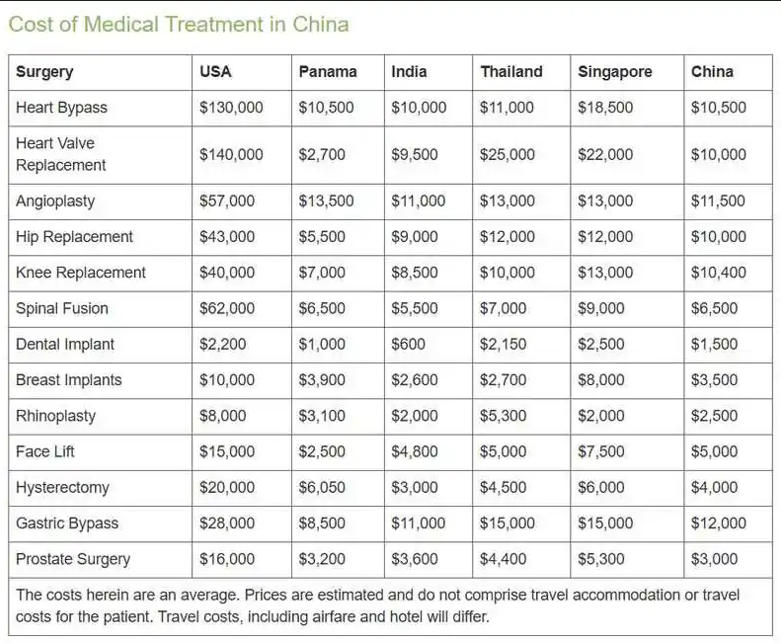
Core Insights - The trend of inbound medical tourism in China is gaining momentum, with foreign patients increasingly seeking medical services in major cities due to long wait times in their home countries [1][2] - The integration of inbound tourism and cross-border medical services remains underdeveloped, with many regions treating them as separate entities [1][10] - There is a significant disparity in medical resources across regions in China, which poses challenges for the coordinated development of inbound medical tourism [1][9] Group 1: Market Trends - Foreign patients are now visiting China not just for tourism but also for medical treatments, with hospitals in cities like Beijing and Guangdong seeing an increase in foreign patients [2][3] - The "medical + tourism" model is becoming popular, with packages being offered that combine medical care with leisure activities, as seen in cities like Hunchun and Boao [3][6] - The cost of medical procedures in China is significantly lower compared to Western countries, making it an attractive option for foreign patients [4][6] Group 2: Industry Challenges - The current growth in foreign patients is still a small percentage of the total patient volume, and there are concerns about the potential impact on domestic healthcare services [9][10] - There is a need for better integration between medical services and tourism, as the current models are often limited and not widely applicable [10][12] - The development of inbound medical tourism requires a clear strategy on whether to prioritize tourism or medical services, as this affects the direction of integration efforts [10][12] Group 3: Future Opportunities - China has the potential to become a leading destination for international medical tourism by leveraging its strengths in medical efficiency, quality, and cost-effectiveness [7][9] - The government is encouraged to support the development of traditional Chinese medicine as a unique selling point in the medical tourism market [11][12] - There is a call for national-level planning and investment to create a mature industry that meets international standards and addresses regulatory challenges [12]
代表委员就“聚焦对外开放,高标准建设海南自由贸易港”建言献策
Hai Nan Ri Bao· 2026-01-28 04:11
Core Viewpoint - The focus on "opening up to the outside world and high-standard construction of Hainan Free Trade Port" is emphasized as a priority in the Hainan provincial government's work report, marking a critical point in the development of the Free Trade Port and the initiation of the "14th Five-Year Plan" [2]. Group 1: High-Level Cooperation and Development - Representatives and committee members suggest that accelerating the release of policy dividends from the Free Trade Port is crucial for promoting higher levels of openness [3]. - The integration of Hainan with Hong Kong and Macau is seen as a strategic opportunity to enhance the effects of Free Trade Port policies and expand development space [3]. - A proposal is made to create a collaborative industrial model that leverages the policy advantages of Hainan's Free Trade Port and the diverse industrial endowments of Hong Kong and Macau [3]. Group 2: Institutional Opening and Development Direction - The implementation of landmark projects at Yangpu Port demonstrates the successful application of pilot policies, which have been recognized and promoted by the State Council [4]. - Yangpu Port aims to enhance its shipping capabilities and attract various shipping-related industries to establish itself as a regional international shipping hub [5][6]. - Suggestions include improving port infrastructure and digital capabilities to enhance operational efficiency and competitiveness in international trade [7]. Group 3: Activating Business Entities - The provincial work report highlights the importance of stimulating the vitality of business entities as essential for the high-standard construction of the Free Trade Port [8]. - A recommendation is made to establish a standard evaluation system for "gazelle enterprises" in the biopharmaceutical sector to support innovative development [9]. - The construction of industrial parks and the integration of resources between cities are proposed to enhance economic collaboration and development [9][10].
海南两会观察:“三篇消费文章”释放新动能
Sou Hu Cai Jing· 2026-01-28 02:45
Core Insights - Hainan's duty-free sales account for over 8% of the global duty-free market, with the Boao Lecheng International Medical Tourism Pilot Zone receiving 865,000 medical tourists, and the Lingshui Li'an International Education Innovation Pilot Zone gathering 26 renowned domestic and international universities [1][3] Group 1: Duty-Free Shopping - Hainan's duty-free shopping is a key attraction for tourism, with a new policy set to be implemented on November 1, 2025, which is expected to boost the sector [3] - In the first month after the island's customs closure, Hainan's duty-free sales reached 5.02 billion yuan, a year-on-year increase of 46.8% [3] - The Hainan provincial government aims to enhance the variety of products offered by duty-free entities and support more quality merchants in conducting outbound tax refund businesses [3] Group 2: Medical Tourism - The Lecheng Pilot Zone, as China's only "medical special zone," has introduced 540 licensed medical products and 39 medical institutions, with projected medical revenue of 8.39 billion yuan by 2025 [3][4] - In the past year, over 9,300 foreign patients from 14 countries visited the Lecheng Pilot Zone for medical treatment, with a sixfold increase in foreign patient numbers following the customs closure [3][4] - The zone has developed 23 specialized medical tourism routes and upgraded its service system, including the establishment of the first wholly foreign-owned hospital in Hainan [4] Group 3: Education Sector - Hainan is promoting the "Study in Hainan = Study Abroad" brand, with the Lingshui Li'an International Education Innovation Pilot Zone implementing a "big sharing + small college" model [5] - The goal is to reach a student and teacher scale of 10,000 by the 2025 academic year, with plans for further expansion [5] - Currently, 86 countries' citizens can enter Hainan visa-free, contributing to a projected 1.5 million inbound tourists by 2025, a 35.2% increase [5] Group 4: Future Prospects - Hainan's consumption market potential continues to be released, with government plans to boost consumption and expand the supply of quality goods and services [6] - The province aims to support various economic sectors, including the silver economy and night economy, while promoting marine tourism activities [6] - A projected 8% increase in domestic and international tourist arrivals is anticipated [6]
傅晟:向实现世界一流医疗旅游目的地目标稳步迈进
Xin Lang Cai Jing· 2026-01-27 16:54
Core Insights - The article highlights the significance of the Boao Lecheng International Medical Tourism Pilot Zone as China's only "medical special zone," serving as a key window for high-level openness and quality development of Hainan Free Trade Port [1] Group 1: Medical Tourism Growth - In the past year, medical tourism in Lecheng surpassed 860,000 visits, marking a year-on-year increase of 109% [1] - Medical revenue exceeded 8.39 billion yuan, reflecting a year-on-year growth of 51.5% [1] - Over 9,300 international patients from 14 countries and regions visited Lecheng, with a sixfold increase in numbers post-border reopening, indicating a trend of seeking medical treatment in China [1] Group 2: Innovation in Medical Technology - Lecheng introduced over 100 types of global innovative drugs, medical devices, special medical foods, and health products last year [1] - Notable advancements include the introduction of China's first boron neutron capture therapy system, which targets tumor cells precisely without harming healthy tissue, offering new hope for cancer patients [1] Group 3: Future Aspirations - By 2025, Lecheng aims to become a world-class medical tourism destination and a platform for medical technology innovation, facilitating domestic patients to receive care without going abroad and attracting international visitors for health services [1]