教育红利

Search documents
有奔头的新年来了!2026流年四化全解,这4个“隐形密码”,影响你的钱包、工作和旅行!
Sou Hu Cai Jing· 2025-12-31 14:35
Group 1 - The core trend for 2026 is the dual explosion of "happy economy + education dividend," where consumers are willing to spend on relaxation and quality education, creating significant opportunities in related industries [3][4] - The main consumer focus will shift from high-end products to value-for-money and experiential offerings, indicating a preference for affordable dining and quality educational services [4][6] - The education sector will see a rise in demand for specialized courses that combine interests and skills, such as programming and robotics, while institutions lacking core advantages may face elimination [6][8] Group 2 - The "decision-making year" theme emphasizes the need for precise decisions in both industry adjustments and personal plans, with a focus on insight and action [6][9] - Industries like dining and tourism will thrive on affordable, unique experiences, while high-priced, non-distinct offerings may struggle [7][8] - The mechanical manufacturing and automotive sectors are expected to stabilize, with a focus on adapting to new demands rather than explosive growth [8][13] Group 3 - New regulations will create opportunities for compliant businesses while eliminating those that operate in gray areas, particularly in tourism and education [10][12] - The emphasis on contract details and compliance will be crucial, as many disputes may arise from overlooked specifics in agreements [10][14] - The tourism industry may face stricter regulations, benefiting transparent and quality service providers while challenging those relying on hidden costs [14] Group 4 - The year will require caution against high-risk partnerships and maintaining cash flow, as interpersonal trust may diminish, leading to potential conflicts [11][17] - Individuals are advised to avoid high-risk ventures and focus on stable, well-researched opportunities to mitigate the risk of failure [17] - Emotional management will be important, as heightened tensions may lead to conflicts; thus, maintaining calm and open communication is essential [15][17]


一名老师眼中的“高考工厂”:我与学生,都困在成绩金字塔里
虎嗅APP· 2025-06-07 03:05
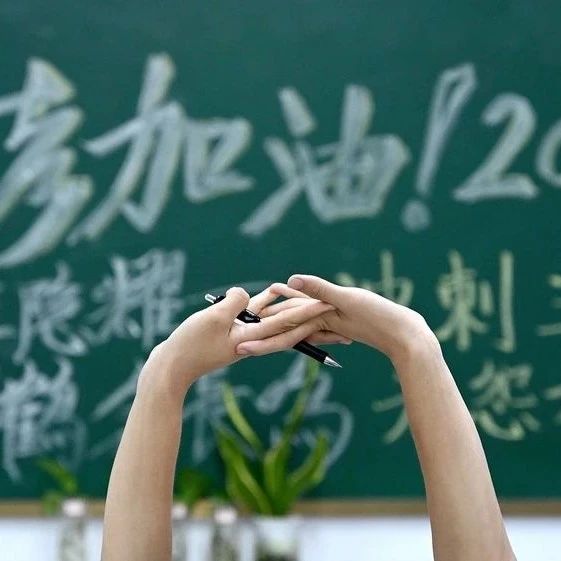
Core Viewpoint - The article discusses the intense competition and pressure faced by students in a high school environment, particularly in the context of the Chinese education system, where academic performance is prioritized above all else [2][3][5]. Group 1: School Environment and Competition - The school operates a tiered system where students are divided into classes based on their exam scores, with the top classes receiving the best resources and attention from teachers [4][5]. - The "leading classes" are highlighted as the school's pride, producing top performers who often achieve high scores in national exams, with some students even taking the college entrance exam early [5][6]. - The curriculum for leading classes is heavily focused on exam subjects, with non-exam subjects like music and art being eliminated, leading to an intense study schedule that extends late into the night [7][10]. Group 2: Teacher and Student Dynamics - Teachers in leading classes are seen as more prestigious, with their career advancement tied to student performance, creating a competitive atmosphere among educators [11][12]. - The disparity in student capabilities between leading and regular classes is acknowledged, with leading class students often being more self-disciplined and motivated, which affects the perceived effectiveness of teaching [10][11]. - The pressure on students is immense, with many experiencing psychological stress and burnout due to the relentless focus on academic achievement [25][26][29]. Group 3: Parental Involvement and Societal Expectations - Parents are increasingly involved in their children's education, with many opting to accompany their children to school, leading to a rise in housing demand near schools [40][41]. - The article highlights the emotional toll on students and parents alike, with parents feeling the weight of their children's academic success and students facing immense pressure to perform [31][32][39]. - The narrative also touches on the changing landscape of educational expectations, where the value of a degree is perceived to be diminishing, yet still remains a critical factor for success [43][45].