数字交互技术

Search documents
望城首届文旅创新创意大赛圆满收官 陈刚出席颁奖典礼
Xin Lang Cai Jing· 2025-12-27 10:26
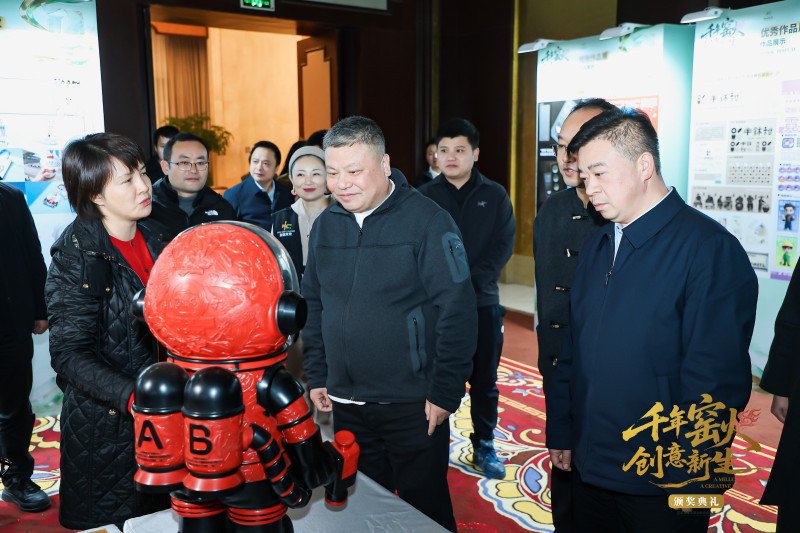
Core Viewpoint - The first cultural and tourism innovation competition in Wangcheng was held to promote deep integration of culture and tourism, stimulate cultural innovation, and create an international platform for youth creative exchange and entrepreneurship [3]. Group 1: Event Overview - The event was organized by the Wangcheng District Committee and the District People's Government, receiving 1,302 entries from 12 countries and 23 provinces in China since its launch in September [3]. - Awards included gold, silver, bronze, excellent works, excellent organization, and excellent guiding teacher categories, with a total of 84 outstanding works recognized [3]. Group 2: Cultural Significance - Award-winning works explored the cultural heritage of Wangcheng and Tongguan Kiln, blending traditional elements with modern design concepts [5]. - In the digital cultural innovation category, entries utilized AI and digital interaction technologies to bring static culture to life, expanding the boundaries of cultural tourism experiences [5]. Group 3: Future Prospects - The event marked the beginning of the implementation phase for the competition's results, with Wangcheng signing cooperation framework agreements with eight organizations [5]. - The symbolic passing of the "kiln fire" to the next host location, Jinggang Ancient Town, signifies the continuity of cultural and tourism innovation efforts in Wangcheng [5]. Group 4: Economic and Creative Development - The chairman of the municipal committee praised Wangcheng's robust economic development and solid foundation for innovation and creativity, encouraging more entrepreneurial activities in the region [7]. - The vision includes transforming creative ideas into practical applications, addressing the integration of "culture + tourism" and "culture + technology," and establishing a new cultural tourism pattern in Wangcheng [7].

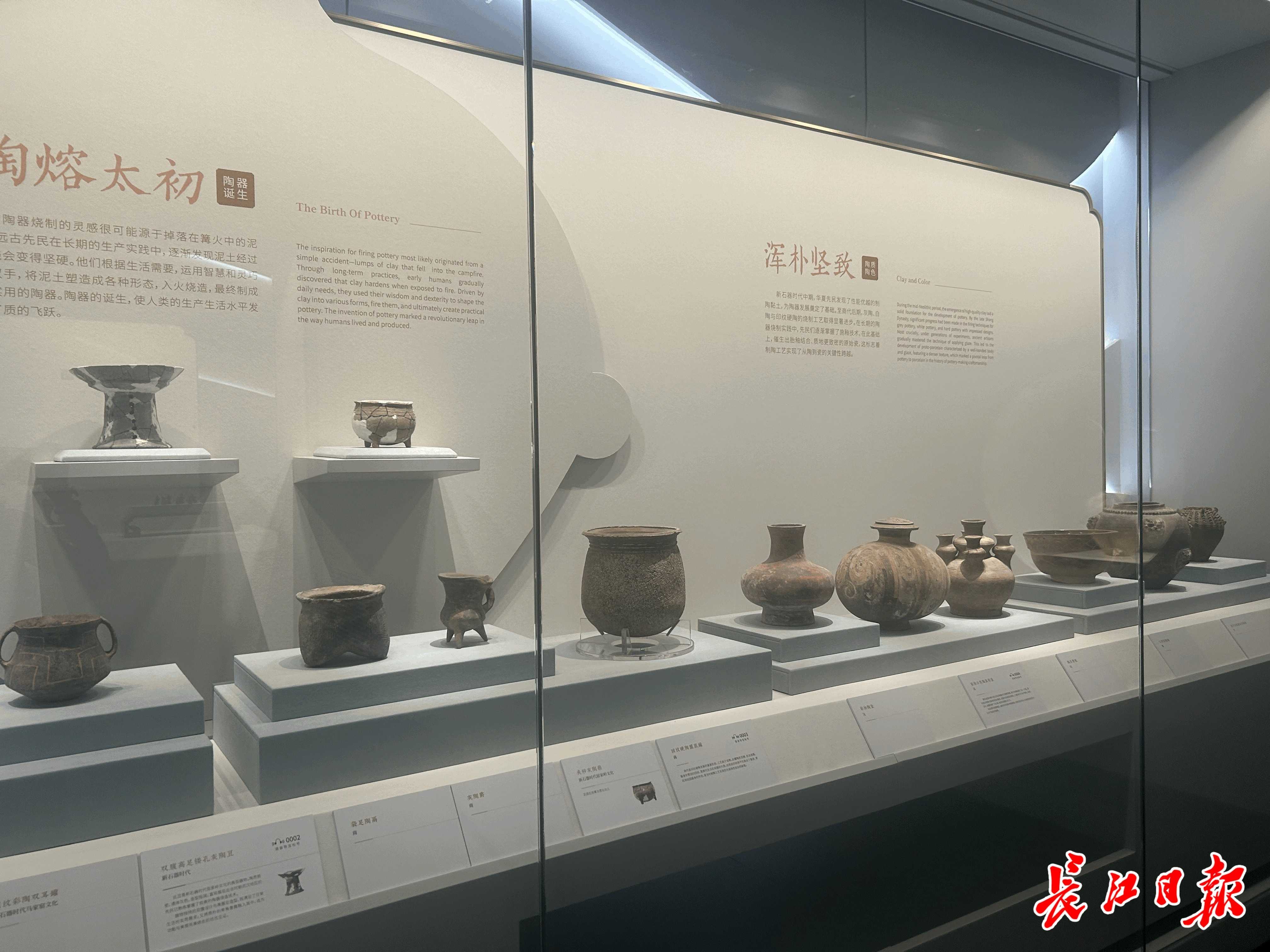
科技让博物馆更智慧(记者手记)
Ren Min Ri Bao Hai Wai Ban· 2025-12-16 01:39
Core Insights - The Inner Mongolia Museum is leveraging advanced technology to enhance visitor experiences and preserve cultural heritage, integrating AI, holographic projections, and interactive digital displays to create a modern exhibition environment [1] Group 1: Technological Integration - The museum features an AI guide named "Honggeer" that engages with visitors by responding to questions and creating poetry about artifacts, showcasing the blend of technology and culture [1] - Two 20-meter digital screens display a vast array of artifacts, allowing visitors to interact with details, historical timelines, and relational diagrams through touchscreens [1] - Children can create digital exhibitions using holographic projection screens, generating certificates that can be shared on social media, highlighting the interactive and educational aspects of the museum [1] Group 2: Preservation and Monitoring - Behind the scenes, technology plays a crucial role in monitoring environmental conditions and analyzing damaged artifacts, ensuring their preservation [1] - Artifacts are scanned comprehensively and made available online, broadening access for audiences who cannot visit the museum physically [1] - An intelligent reservation system optimizes ticket sales and predicts visitor demand, enhancing the overall visitor experience [1] Group 3: Cultural Impact - The integration of technology revitalizes ancient artifacts, making them more engaging and accessible, thus showcasing the enduring charm and contemporary relevance of traditional Chinese culture [1]
武汉博物馆新展启幕,380余件陶瓷珍品呈现千年瓷艺变迁
Chang Jiang Ri Bao· 2025-09-16 00:49
Core Viewpoint - The "Wonders of Ceramics: Ancient Ceramic Art Exhibition" at Wuhan Museum showcases the evolution of Chinese ceramic art over thousands of years, providing a comprehensive experience for the public through upgraded exhibits and interactive elements [1]. Exhibition Overview - The exhibition has been relocated to a new 700 square meter area on the third floor, featuring a redesigned layout that enhances visitor experience [5]. - Over 380 representative pieces have been selected from a collection of more than 10,000 ceramics, organized into four thematic units: "Mud and Fire," "Natural Beauty," "Artistic Craftsmanship," and "Timeless Elegance" [5]. - The exhibition traces the development of Chinese ceramics from the Neolithic period to the exquisite imperial porcelain of the Ming and Qing dynasties, illustrating the transition from utilitarian objects to aesthetic art [5]. Featured Artifacts - Key artifacts include a Neolithic frog-patterned ceramic pot, a Yuan dynasty blue-and-white vase, and a Qing dynasty Doucai plate, all of which are prominently displayed in the new exhibition space [7]. - The exhibition also features over a hundred rare items making their public debut, such as a Warring States period black pottery dancer and a Tang dynasty tri-colored jar [11][12]. Technological Innovations - The exhibition incorporates 3D digital modeling and animation technology to enhance the viewing experience, allowing visitors to understand the ceramic-making process interactively [14]. - An 8.5-meter-long digital scroll of Chinese ceramic culture connects significant historical milestones, utilizing touch-screen technology for an immersive experience [16]. Design Philosophy - The design emphasizes a "subtle and elegant" aesthetic, with simple and refined display cases that allow the colors of the ceramics to stand out in a clean environment [19]. - Scenic spots for photo opportunities are integrated into the exhibition, encouraging visitors to engage with the art while capturing memorable moments [19].