数字社交

Search documents
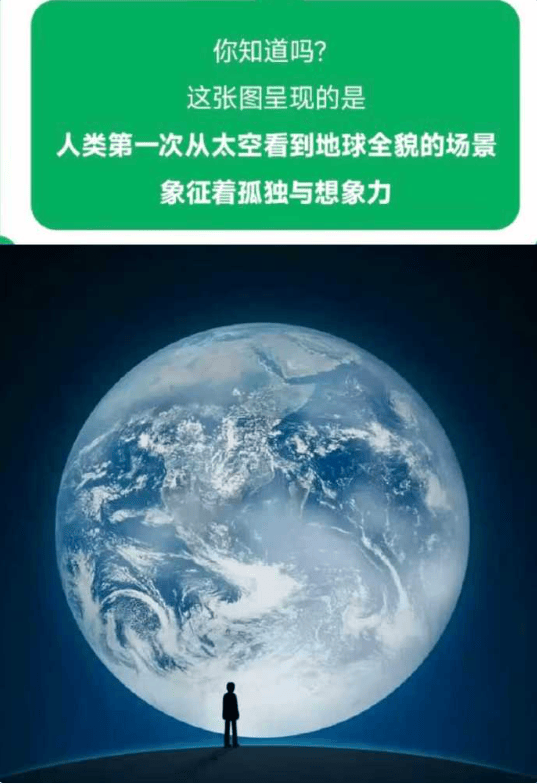
微信十五年:从地球启动页到7.8亿人的朋友圈记忆
Sou Hu Cai Jing· 2026-01-21 13:23
Core Insights - WeChat, launched on January 21, 2011, is celebrating its 15th anniversary in 2026, marking a significant milestone in digital social interaction [3] - The app's early design details and iconic features, such as the Earth launch screen, have sparked renewed public interest and discussion [3] User Engagement - Daily active users accessing Moments has reached 780 million, with 120 million users actively posting content [3] - The Moments feature has evolved beyond social display to become a unique space for individuals to document life changes and significant milestones [4]


赛博格的友谊:Z世代的数字社交是蜜糖还是藩篱
Xin Lang Cai Jing· 2026-01-12 00:26
Core Insights - The article discusses the paradox of social connections among the youth in the digital age, highlighting the coexistence of deep loneliness despite increased connectivity through technology [2][3][4][5][6][7][8] Group 1: Social Behavior and Relationships - Youth are increasingly connected online, with 77.9% accessing the internet for over 4 hours daily, yet 64.3% still feel a deep sense of loneliness despite the availability of social media [2] - Social media platforms like WeChat and Douyin serve as primary access points for daily life, but the rise of weak ties has led to a structural decline in strong relationships [2][3] - The phenomenon of "搭子" (temporary social contracts) reflects a shift towards functional interactions, balancing social efficiency with psychological burdens [3][4] Group 2: Emotional Interaction and Media Consumption - Short videos have transformed emotional interactions, with 79.1% of youth viewing them as primary emotional outlets, yet the rapid switching of emotional contexts leads to anxiety and addiction [4][5] - The digital landscape fosters a competitive environment where 48.3% of youth feel inferior due to others' curated images, particularly affecting women [5][6] Group 3: Identity and Self-Perception - Youth exhibit high confidence in digital media skills, with 84.6% understanding media functions, but this does not translate to self-identity, leading to identity anxiety [6][7] - The pressure to conform to idealized images on social media results in a disconnect between the authentic self and the curated online persona [5][6] Group 4: Future Social Paradigms - The article suggests a need to redefine social connections, advocating for a return to meaningful relationships that transcend mere digital interactions [7][8] - Youth should develop a critical awareness of technology, moving from passive consumption to active engagement with algorithms, with only 40% currently practicing "reverse conditioning" to regain control over their digital experiences [8]