数字科技与传统文化融合

Search documents
陕西耀州携手腾讯《英雄杀》解锁民间文艺传播新范式
Huan Qiu Wang· 2026-02-14 02:04
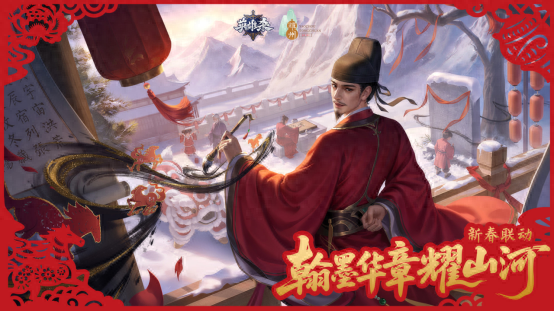
Core Viewpoint - The collaboration between Yaozhou District and Tencent's game "Hero Kill" aims to integrate traditional culture with digital technology, enhancing the transmission of Chinese traditional culture to younger audiences through innovative means [1][3][9]. Group 1: Cultural Integration and Innovation - Yaozhou District has a rich cultural heritage, including various folk arts and crafts, which are being revitalized through digital platforms [3][5]. - The partnership with Tencent has previously resulted in significant outreach, with over 28 million interactions achieved through the game, showcasing Yaozhou's cultural elements [3][5]. - The new spring collaboration focuses on the calligraphy of Liu Gongquan, aiming to present this cultural treasure in an engaging manner through interactive gaming experiences [5][9]. Group 2: Digital Empowerment and Market Activation - The initiative emphasizes "living inheritance, digital empowerment, and market activation" as a strategy for protecting and promoting folk arts [3][7]. - The game features activities that highlight Yaozhou's intangible cultural heritage, allowing players to engage with local traditions in a fun and interactive way [7][8]. - The collaboration has evolved to include a physical gift box that merges digital elements with traditional crafts, further broadening the cultural outreach [8]. Group 3: Future Directions and Development - Yaozhou District plans to continue deepening the integration of digital technology with traditional culture, exploring new forms of cultural dissemination and expanding the supply of cultural products [9]. - The focus on transforming folk art resources into cultural products aims to create a sustainable model for cultural industry development [9].


新业态“百花齐放” “文化钥匙”正打开经济发展新空间
Yang Shi Wang· 2025-06-03 07:35
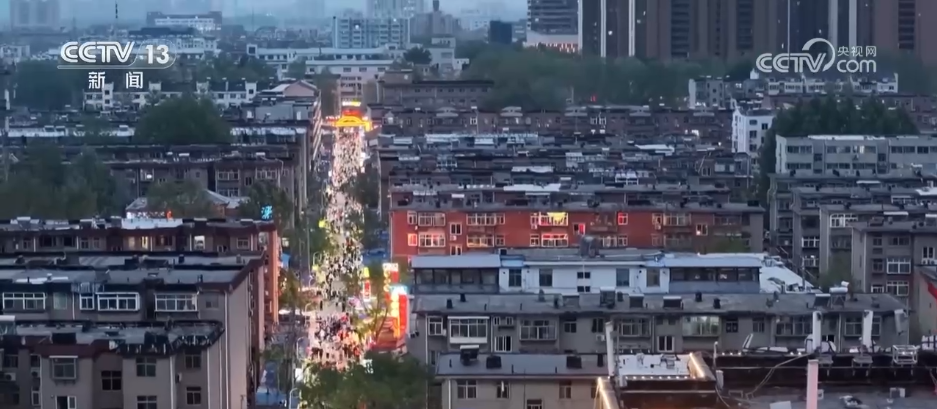
Core Insights - The cultural industry has emerged as a new economic growth point during the Dragon Boat Festival holiday, with significant increases in cultural consumption and tourism revenue in Zibo, where tourism income grew by over 49% year-on-year on the first day of the holiday [1][3]. Group 1: Cultural Consumption Trends - The newly opened cultural and tourism complex in Zibo features a "vertical narrative" layout, integrating various business formats such as specialty dining, intangible cultural heritage products, cultural experiences, and entertainment, creating a progressive consumption scene from sensory experience to spiritual resonance [3][4]. - Traditional cultural attractions in Zibo, such as the Ceramic and Glass Museum and the Zhoucun Ancient Mall, received over 500,000 visitors during the holiday, indicating a successful conversion of tourist traffic from barbecue to cultural experiences [3][4]. Group 2: Product Innovation - There is a growing trend for smaller, refined cultural products like ceramics and glassware, particularly handmade items, which are becoming popular among young consumers [4][6]. - Companies are focusing on creating scene-specific cultural products, with examples including clay sculptures of barbecue figures, showcasing the blend of traditional craftsmanship with modern consumer preferences [8][10]. Group 3: Technological Integration - The integration of digital technology with traditional culture is driving new immersive experiences, enhancing consumer engagement and shifting cultural consumption from material to spiritual forms [12][14]. - Various regions are developing immersive cultural tourism experiences, such as the multimedia light and shadow shows in Xiamen and the interactive performances in Xi'an and Hangzhou, which utilize advanced technology to create engaging narratives [16][19].