文字陷阱

Search documents
新华社发文批“大字吸睛小字免责”
Sou Hu Cai Jing· 2025-12-05 10:38
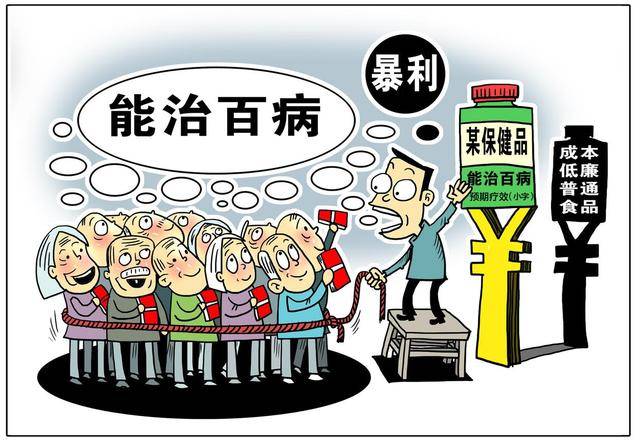
Core Viewpoint - The article highlights the deceptive advertising practices of companies that use large print to attract attention while hiding important disclaimers in small print, undermining consumer trust and damaging the overall market environment [1][5][7]. Group 1: Advertising Practices - Companies often employ the tactic of "big print to attract, small print to disclaim," which has been summarized by the media as "three blows" [1][4]. - A specific smartphone brand claimed to be the "king of backlighting" in large letters, but clarified in small print that this was merely a design goal, raising questions about the integrity of such claims [2][4]. - A clothing brand advertised itself as "global sales leader" for three consecutive years, with small print indicating that the data was based on an August 2023 survey, leading to skepticism about the validity of the claim [4]. Group 2: Consumer Impact - The misleading nature of these advertisements can easily trap consumers, leading to doubts about the quality and materials of the products offered by such companies [5][7]. - The use of small print often goes unnoticed by consumers, allowing companies to escape accountability for exaggerated claims, which can ultimately harm their reputation [5][7]. - When consumers realize they have been misled, they often face difficulties in asserting their rights, as companies use the small print as a defense, resulting in disputes [7]. Group 3: Industry Implications - The prevalence of "big print, small print" tactics is increasing across various sectors, from manufacturers to retailers, both online and offline, raising concerns about market integrity [7]. - This practice can lead to a loss of consumer trust, causing cautious spending behavior, while companies relying on such tactics risk damaging their long-term reputation [7]. - The article calls for a reduction in deceptive advertising practices and emphasizes the need for high-quality products and attentive service to restore consumer confidence [8]. Group 4: Regulatory Recommendations - There is a need for collaborative efforts to address the "big and small print trap," with regulatory bodies establishing clear standards for advertising [8]. - Companies should be required to present core performance, pricing, and promotional conditions in a clear and discernible manner, including font size, color contrast, and placement [8]. - Enhanced enforcement and inspections are recommended, particularly in high-risk sectors such as automotive, finance, and food, to deter opportunistic practices [8].