文物预防性保护

Search documents
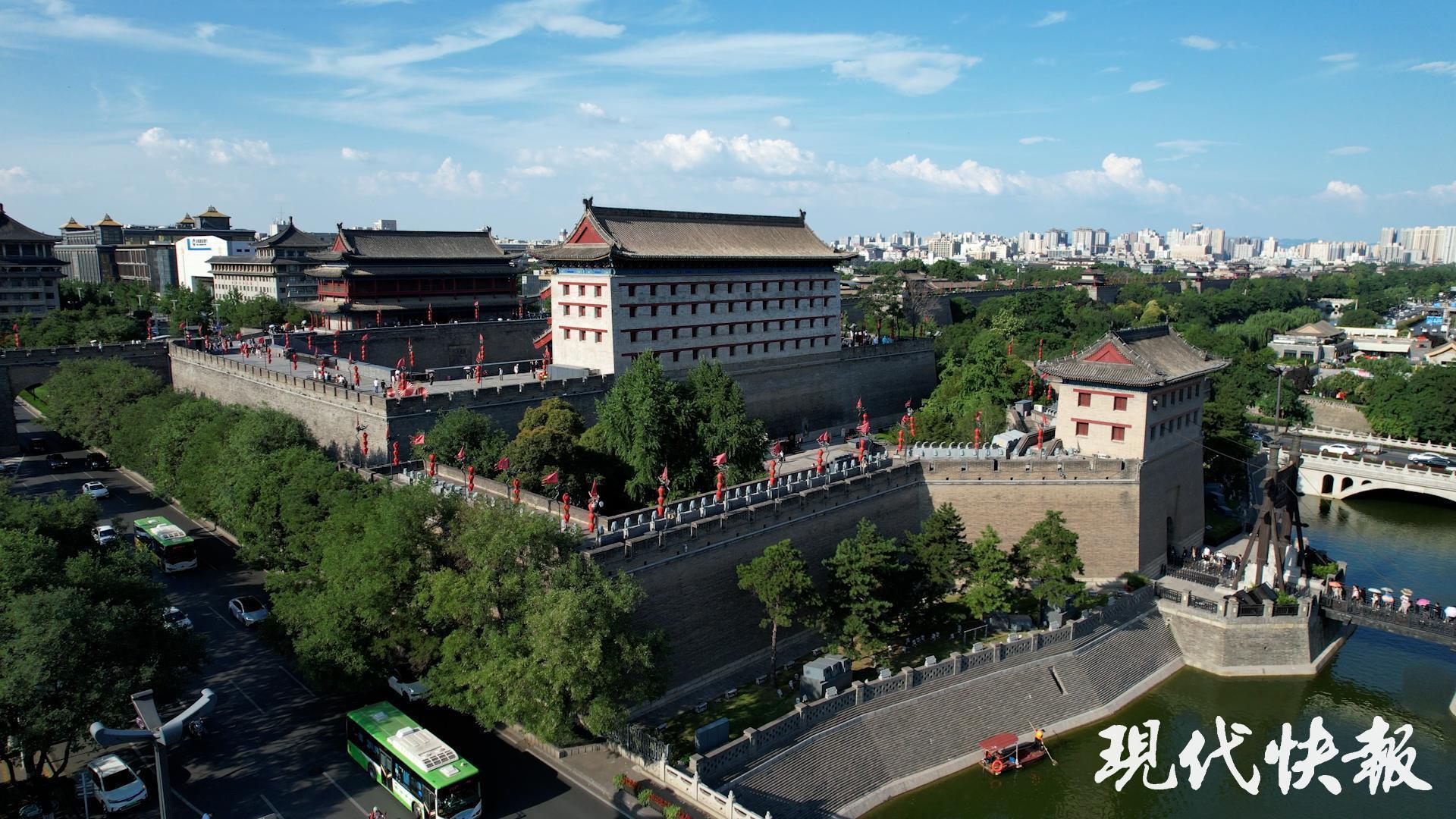
改革者 正青春|如何给世界级的宝贝做“CT”?
Xin Lang Cai Jing· 2026-01-25 05:56
Core Viewpoint - The integration of advanced technologies such as big data, IoT, and 3D scanning is transforming the preservation and management of Xi'an City Wall, enhancing its protection and making it a vibrant cultural landmark for both citizens and tourists [1][3][6] Group 1: Technological Advancements in Preservation - Xi'an City Wall has implemented a comprehensive monitoring system with over 3,000 deformation monitoring points and 1,300 smart sensors, allowing for real-time data feedback on structural integrity [1] - A digital management platform has been created, integrating functions for cultural relic protection, tourism operation, emergency safety, and flood command, effectively unifying independent information into a shared system [3] - Advanced surveying methods, including geological radar and 3D laser scanning, have been employed to conduct a "full-body CT scan" of the wall, identifying over 1,300 air defense holes and 1,800 openings for better internal structure management [3] Group 2: Cultural Heritage and Policy Support - The "14th Five-Year Plan" emphasizes the systematic protection and unified supervision of cultural heritage, promoting the effective preservation and active transmission of historical cultural cities and towns [4] - The shift from experience-based judgment to data-driven approaches in cultural relic protection aligns with national policies advocating for proactive preservation and management of cultural heritage [6] - Xi'an City Wall has been recognized as a national pilot unit for preventive protection of cultural relics, showcasing a commitment to innovative development paths in heritage management [6]

东西问·北京文化论坛|傅萌:科技如何为文物插上“翅膀”?
Zhong Guo Xin Wen Wang· 2025-09-24 14:06
Core Viewpoint - The integration of technology and culture is essential for the preservation and promotion of cultural heritage, as demonstrated by the initiatives at the Capital Museum and the Beijing Grand Canal Museum [3][9]. Group 1: Importance of Visualized Preservation - The Capital Museum has established a visualized cultural relic preservation center to mitigate environmental factors that can harm artifacts, such as temperature, humidity, light, and air quality [3][4]. - Preventive preservation aims to create a stable and clean environment to prolong the lifespan of cultural relics and prevent deterioration [3][4]. Group 2: Traditional Techniques vs. Modern Technology - The preservation work at the Capital Museum combines traditional techniques with modern technology, utilizing both traditional restoration teams and scientific laboratories [6]. - Technology optimizes traditional methods by standardizing and digitizing effective practices, while also expanding capabilities to address issues that traditional methods cannot solve, such as using ultrasonic and laser technologies for cleaning artifacts [6][8]. Group 3: Public Engagement and Education - The museum has engaged the public through exhibitions and educational projects, allowing visitors to understand the behind-the-scenes work of artifact preservation [8][9]. - Interactive projects, especially those appealing to children, aim to instill an appreciation for cultural heritage and potentially cultivate future museum professionals [8][9]. Group 4: Cultural and Technological Integration - The integration of culture and technology has opened new possibilities for museums, enhancing the transmission and preservation of ancient civilizations through various technological applications [9][11]. - Recent exhibitions have utilized digital showcases and virtual experiences to provide a more comfortable and engaging visitor experience, ensuring that cultural heritage is accessible to a broader audience [9][11].