新新三样(机器人

Search documents
2025年A股投资全景:政策、科技与AI共振下的机遇与策略
Sou Hu Cai Jing· 2025-10-21 09:32
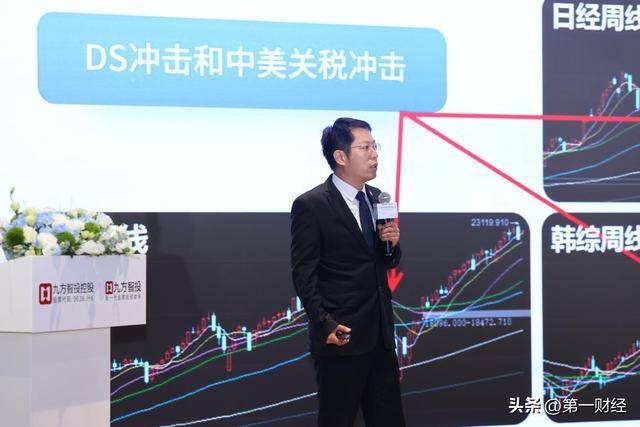
Core Viewpoint - The A-share market in 2025 is at a historical juncture of policy dividends and technological revolutions, with significant gains in indices like the ChiNext and STAR Market, driven by breakthroughs in technology and AI reshaping investment decision-making [1] Macro Strategy Perspective - The current market is driven by global liquidity and the AI wave, shifting the A-share focus towards "endogenous momentum" [2] - Global monetary easing, particularly the Fed's interest rate cuts, has released substantial liquidity, supporting markets like NASDAQ and Nikkei [4] - AI is becoming the core engine for global industrial resonance, with significant capital expenditure in the tech sector and optimistic market expectations for AI applications [4][5] Market Characteristics - The market is characterized by a "tech-led, commodity-following" pattern, with tech assets becoming the core focus for capital allocation [5] - A-shares are transitioning from "scale-driven" to "quality-driven," with tech sector performance becoming a focal point for investors [5] Q4 Market Outlook - The market style is shifting towards "core manufacturing/ resource sectors" as trading volume increases, with a focus on high elasticity sectors like technology and resources [5] - Investors are advised to avoid blindly chasing high-performing sectors and to wait for better entry points after adjustments [5] Investment Logic - The "invisible forces" driving the current market include national strategy, global competition, and capital consensus, with "new three items" (robots, AI, innovative drugs) as key engines [12] - Long-term investment logic should focus on sectors not yet fully priced in, such as AI algorithms and biotechnology, while mid-term strategies should leverage the ongoing dollar easing cycle [13] Investment Strategy for Ordinary Investors - Investors should adopt a balanced dual-position strategy, focusing on low-valuation, high-dividend sectors for defense while targeting high-growth areas like robots and AI for offensive positions [14] - The long-term trend remains focused on technology and new productivity, suggesting that maintaining a commitment to these sectors will yield stable returns [15]