
新版门罗主义

Search documents
擒马杜罗宣胜?特朗普踩雷!美陷四重危机恐成最大输家
Sou Hu Cai Jing· 2026-01-04 09:37
Group 1 - The core viewpoint of the article highlights the significant geopolitical and economic repercussions following the U.S. military operation to capture Venezuelan President Maduro, which has been perceived as a direct manifestation of Trump's interventionist policies [2][3][4] Group 2 - The operation has led to a backlash from Latin American allies, with 12 countries, including Mexico and Argentina, condemning the U.S. for violating international law and refusing to recognize the U.S.-formed "management team" [2] - The energy market has experienced turmoil, with international oil prices surging by 6.8% to over $95 per barrel, and U.S. refineries facing production cuts due to reliance on Venezuelan heavy crude [3] - International opinion has turned against the U.S., with over 130 countries at a UN emergency meeting opposing the unilateral military action and calling for respect for Venezuela's sovereignty [3][4] - Resistance within Venezuela has escalated, with the military declaring a national state of resistance and anti-U.S. armed groups launching attacks on U.S. personnel, complicating the U.S. occupation efforts [4]

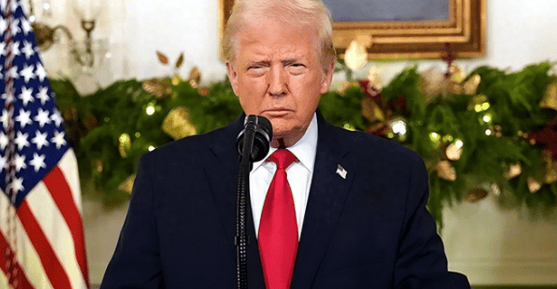
美媒震惊:夜深人静之时掳走一国总统,没有比这更肆无忌惮的了
Xin Lang Cai Jing· 2026-01-03 16:08
Core Viewpoint - The article discusses the unprecedented military intervention by the United States in Venezuela, highlighting President Trump's bold declaration of capturing President Maduro, which has raised significant international concern regarding legality and implications for global power dynamics [1][4][6]. Group 1: Military Action and Its Implications - The military strike against Venezuela is described as Trump's most aggressive foreign military intervention to date, comparable to past operations against Osama bin Laden and Saddam Hussein [3][4]. - The operation involved elite U.S. Army Delta Force troops forcibly extracting Maduro from his residence, indicating a significant escalation in U.S. pressure on Venezuela [4][6]. - The action is seen as part of a broader U.S. ambition to exert control over the region, reflecting a new version of the Monroe Doctrine [1][6]. Group 2: Legal and Political Reactions - There are significant legal controversies surrounding the U.S. military action, with experts arguing that the use of force violates international law, as it does not meet the criteria for self-defense or humanitarian intervention [7][12]. - Various political figures, including members of Congress, have criticized the military action as illegal and lacking justification, calling for transparency and adherence to international law [10][14]. - International reactions have been mixed, with some countries condemning the U.S. actions as aggressive and a violation of sovereignty, while others, like Ukraine and Argentina, expressed support for the U.S. [11][15]. Group 3: Global Reactions and Consequences - The event has prompted strong condemnations from multiple countries, including Cuba, Mexico, and Iran, which view the U.S. actions as acts of terrorism and violations of international norms [11][12][13]. - The European Union has taken a more cautious stance, urging restraint while acknowledging the illegitimacy of Maduro's government [14]. - The United Nations Secretary-General expressed shock at the military actions and warned of potential regional destabilization, emphasizing the need for adherence to international law [16][17].
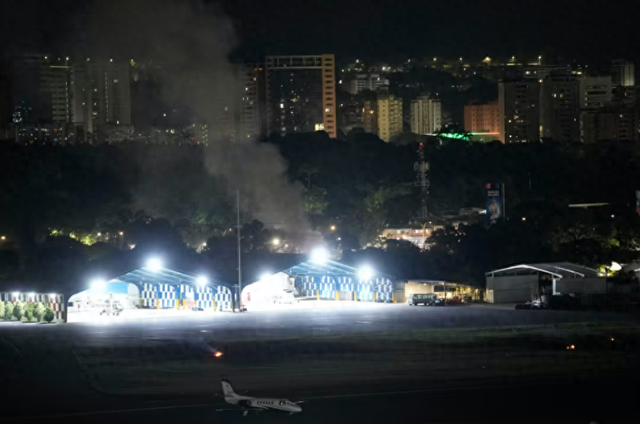
古巴谴责美军扣押油轮 斥美升级对古巴经济战
Yang Shi Xin Wen Ke Hu Duan· 2025-12-12 19:35
Core Viewpoint - The Cuban Ministry of Foreign Affairs condemned the recent seizure of an oil tanker by the U.S. military near Venezuela as an escalation of the economic war against Cuba, labeling it as "piracy" and "maritime terrorism" [1] Group 1: U.S. Actions - The U.S. military's seizure of the Venezuelan oil tanker is described as a violation of international law, specifically the United Nations Convention on the Law of the Sea and the Convention on Suppressing Unlawful Acts Against the Safety of Maritime Navigation [1] - This action is part of a series of U.S. attempts to disrupt Venezuela's trade of natural resources with other countries, aiming to cut off Venezuela's oil supply to Cuba [1] Group 2: Impact on Cuba - The U.S. actions have a direct negative impact on Cuba, exacerbating the "maximum pressure" and economic blockade policies imposed by the U.S., which severely disrupt Cuba's energy system and harm the daily lives of its citizens [1] - The statement from the Cuban government characterizes these actions as a manifestation of a "new Monroe Doctrine," violating the consensus to establish Latin America and the Caribbean as a "zone of peace" [1]