新能源产业扶持

Search documents
新能源车购置税明年起减半
2 1 Shi Ji Jing Ji Bao Dao· 2025-11-09 05:39
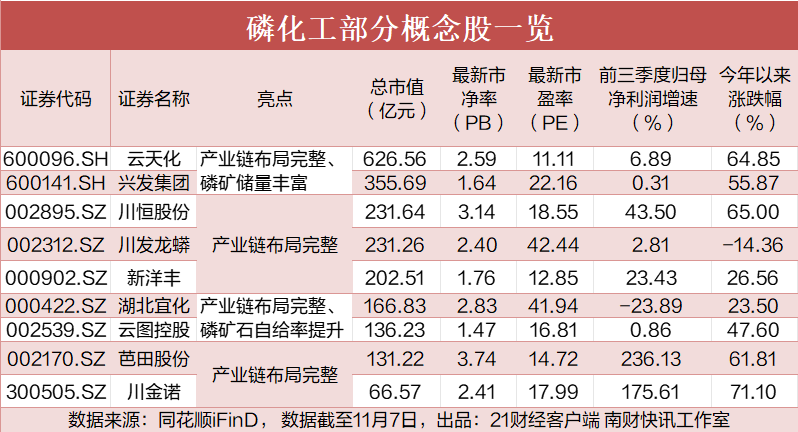
Group 1: New Energy Vehicle Policy Changes - From January 1, 2024, China's new energy vehicle purchase tax will be adjusted from full exemption to a 50% reduction, leading to a new consumption peak in the market due to the combination of policy changes and the traditional year-end sales season [1] - A dealership in Haikou reported a nearly 60% increase in customer traffic and order volume, prompting them to hire additional sales staff and extend operating hours [1] - The policy shift is seen as a critical step in transitioning the new energy vehicle industry from a "price war" to a "value war," encouraging high-quality development through technical barriers [1] Group 2: Lithium Battery Sector Performance - The lithium battery sector has seen a strong performance driven by three main factors: unexpected growth in energy storage demand, increasing penetration of new energy vehicles, and breakthroughs in solid-state battery technology [3] - According to GGII, China's energy storage battery shipments in Q3 increased by over 60% year-on-year, with total shipments for the first three quarters surpassing 30% of last year's total [3] - The demand for lithium batteries remains robust, particularly in the commercial vehicle segment, as the market enters a traditional peak season [3] Group 3: Phosphate Chemical Industry Insights - The phosphate chemical sector has experienced significant growth, with the sector rising over 49.41% this year and several stocks doubling in value, including Tianji Shares and Xingfu Electronics [2][3] - Companies with complete industry chain layouts and rich resource reserves, such as Yuntianhua and Xingfa Group, are expected to benefit from the anticipated elimination of outdated production capacity [6] - Recommendations include focusing on companies with rich phosphate reserves and improving self-sufficiency in phosphate ore, such as Hubei Yihua and Yuntu Holdings [6]


新能源车购置税明年起减半
21世纪经济报道· 2025-11-09 05:29
Group 1 - The core viewpoint of the articles highlights the adjustment of China's new energy vehicle (NEV) purchase tax from full exemption to a 50% reduction starting January 1, which is expected to stimulate market demand during the traditional sales peak at year-end [1] - The adjustment is seen as a shift from a "price war" to a "value war" in the NEV industry, encouraging companies to focus on technological innovation and high-quality development rather than relying solely on policy benefits for low-cost competition [1] - The A-share market has seen a significant surge in the new energy sector, particularly in lithium battery stocks, driven by increased demand for energy storage, rising penetration rates of electric vehicles, and breakthroughs in solid-state battery technology [2] Group 2 - The lithium battery sector's growth is supported by three main factors: unexpected surges in energy storage demand, increasing market share of pure electric vehicles, and advancements in solid-state battery applications [2] - Data from GGII indicates that China's energy storage battery shipments in Q3 increased by over 60% year-on-year, with total shipments for the first three quarters surpassing 30% of last year's total [2] - The phosphoric chemical sector has experienced a significant rise, with the sector increasing by over 49.41% this year and producing six stocks that have doubled in value, indicating strong market performance [2][3] Group 3 - Key companies in the phosphoric chemical sector include Yun Tianhua and Xingfa Group, which are recommended for their rich phosphate reserves and complete industry chain layouts [4] - The industry is expected to benefit from the elimination of backward production capacity, with leading companies poised to gain from their resource reserves and integrated operations [3][4]