新能源应用技术

Search documents
3家建筑央企领导成员调整!
Sou Hu Cai Jing· 2025-12-25 07:19
Group 1: Leadership Changes - Wang Jiemin has been nominated as the Chief Accountant of China Academy of Building Research Co., Ltd., and will no longer serve as the Chief Accountant of China International Technology Cooperation Group Co., Ltd. [1] - Wang Xinhua has been appointed as a member of the Party Committee and Secretary of the Discipline Inspection Commission of China Academy of Building Research Co., Ltd. [2] - Mu Xianxiang has been nominated as the Chief Accountant of China Construction Technology Co., Ltd. [4] - Guan Dingbang has been removed from his position as a member of the Party Committee and Deputy General Manager of China Aneng Construction Group Co., Ltd., and is retiring. [5] Group 2: Company Profiles - China Academy of Building Research Co., Ltd. (formerly known as China Academy of Building Research) was established in 1953 and is the largest comprehensive research and development institution in the national construction industry, focusing on civil engineering and building technology. [2][3] - China Construction Technology Co., Ltd. (CCTC) is a technology-oriented central enterprise under the State-owned Assets Supervision and Administration Commission, with a registered capital of 6 billion yuan and main business areas including construction engineering, municipal engineering, and urban planning. [4] - China Aneng Construction Group Co., Ltd. was established in September 2018, primarily responsible for major natural disaster engineering rescue and key project construction tasks, with a strong presence across various strategic regions in China. [5][6]
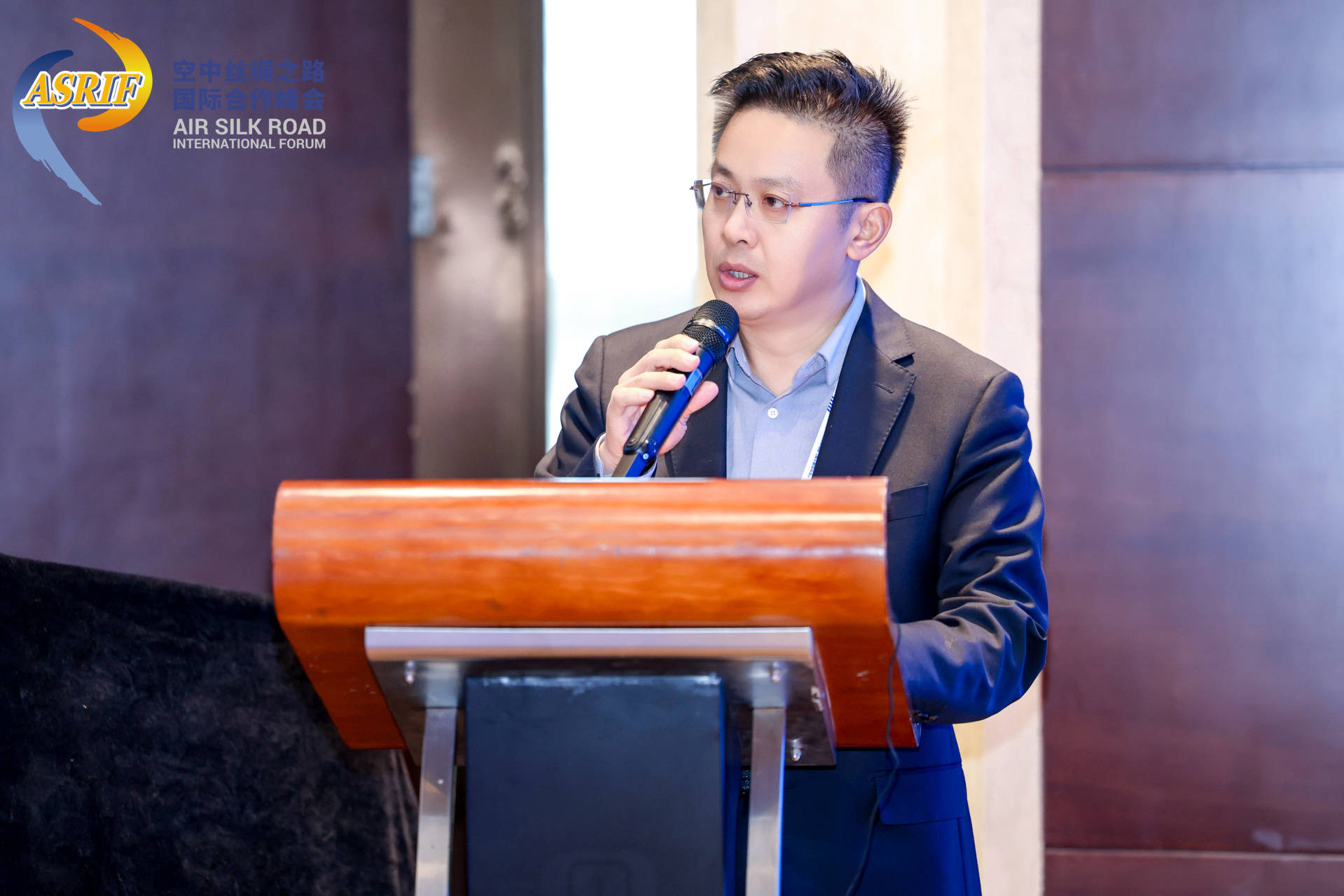
绿能慧充副总裁聂永军:打造“空地一体”绿色能源核心枢纽
Sou Hu Cai Jing· 2025-11-28 06:29
Core Viewpoint - The "Air Silk Road" International Cooperation Summit aims to build a new hub for the Air Silk Road and establish a new highland for western openness, focusing on high-quality development and collaboration among various stakeholders [1]. Group 1: Company Role in Air Silk Road - Green Energy Hui Charge (referred to as "the company") plays a core hub role in energy construction along both the land and air Silk Roads, focusing on green energy equipment manufacturing, zero-carbon energy solutions, and cross-regional industrial collaboration [3][4]. - The company provides reliable charging and energy management services for the electrification of land and air transportation, as well as high-performance heavy-lift drones essential for the air economy [4]. Group 2: Strategic Layout and Innovations - The company has outlined four strategic directions for the Air Silk Road: enhancing infrastructure for low-altitude takeoff and landing sites, establishing a green energy equipment manufacturing base in Hami, Xinjiang, entering the heavy-lift drone market through acquisition, and creating an integrated energy service system [4]. - Innovations include high-safety charging solutions for airport ground services, advancements in drone flight control and hybrid power technologies, and the development of low-altitude economic demonstration zones [4][7]. Group 3: Standardization and Localization - The company emphasizes a development path of "standard leading, localized adaptation," focusing on creating energy service capabilities that are globally compatible yet regionally adaptable [5]. - It actively participates in industry standard formulation to ensure compatibility of charging interfaces and safety regulations, while also optimizing equipment for the specific needs of the western region [5][6]. Group 4: Energy Management and Optimization - The company aims to optimize energy dispatch through AI-driven management platforms that predict regional loads and adjust charging strategies dynamically [7]. - It is advancing hydrogen fuel cell technology for drones and integrating solar, storage, and charging systems to ensure continuous energy supply for low-altitude equipment [7]. Group 5: Industry Collaboration and Talent Development - The company has joined the low-altitude economy industry-education integration community to address talent shortages and establish industry standards through collaboration between government, enterprises, and educational institutions [8]. - It aims to cultivate a skilled workforce with dual knowledge backgrounds in new energy technology and aviation, while also developing practical operational standards for the emerging industry [8][9].