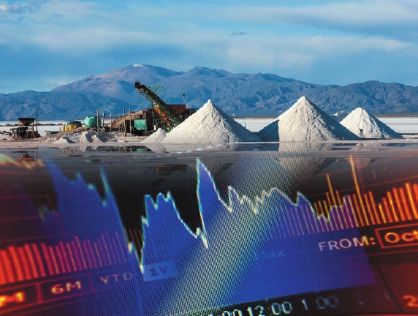
新能源汽车成本上涨

Search documents
锂价冲上每吨18万!铜铝及DRAM都涨价!新能源汽车利润堪忧?
Zhong Guo Qi Che Bao Wang· 2026-01-29 04:03
Core Viewpoint - The significant rise in prices of raw materials such as lithium, copper, and aluminum, along with DRAM storage chips, is expected to impact the electric vehicle (EV) industry, leading to increased production costs and potential profit erosion for manufacturers [2][3][4]. Group 1: Raw Material Price Increases - Lithium carbonate prices have surged, with futures reaching 182,000 yuan/ton, marking a two-year high, and spot prices increasing from 75,700 yuan/ton to 175,000 yuan/ton over a year [2]. - The cost of aluminum for a typical mid-sized electric vehicle has increased by 600 yuan, while copper costs have risen by 1,200 yuan in the last three months [3]. - The price of automotive DRAM storage chips has skyrocketed by 180% in three months, with costs per vehicle rising from approximately $100 to 2,000 yuan, an increase of 1,300 yuan [3][5]. Group 2: Impact on Electric Vehicle Costs - For a pure electric vehicle with an 80 kWh battery, the increase in lithium costs alone could add approximately 3,800 yuan to the vehicle's production cost [3]. - Range-extended electric vehicles and plug-in hybrids are also facing cost increases, with lithium costs rising by about 1,900 yuan and 1,000 yuan respectively [4]. - The overall cost pressures from rising prices of lithium, copper, and aluminum are significant for all types of electric vehicles [4]. Group 3: Challenges for Automotive Manufacturers - Major automotive manufacturers may struggle to pass on increased costs to consumers due to intense market competition, potentially leading to profit margins approaching zero [6][7]. - Smaller manufacturers, already at a disadvantage, face heightened cash flow pressures and may be forced out of the market due to their inability to absorb rising costs [7]. - The competitive landscape is forcing all manufacturers, regardless of size, to confront unprecedented challenges due to the rising costs of raw materials [7]. Group 4: Strategic Responses - Companies are focusing on enhancing product value through advanced features like high-level intelligent driving and smart cockpit systems to offset rising costs [9]. - The shift towards value enhancement rather than mere scale expansion is becoming a new industry trend, emphasizing technological innovation and quality improvement [10]. - Many companies are exploring overseas markets to mitigate risks associated with rising costs, taking advantage of favorable trade policies in regions like Canada [9][10].