
新能源汽车运输安全

Search documents
洋山港海事局查获首例新能源汽车单证申报不实案件
Zhong Guo Xin Wen Wang· 2025-11-24 05:32
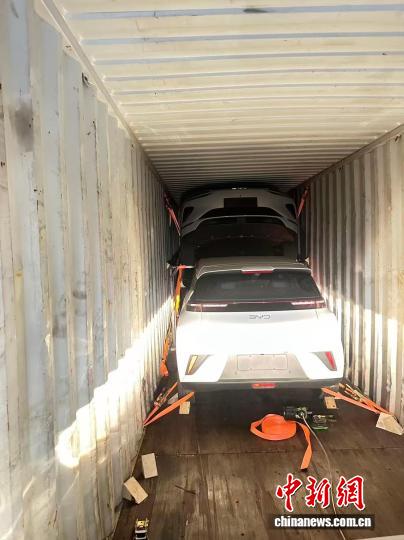
中新网上海11月24日电 (谢梦圆 姚博文 韩帅)记者24日从洋山港海事局获悉,当前,洋山港以新能源汽 车为代表的海运"新三样"货物出口量不断攀升,随之而来的运输安全问题也日益凸显。近日,洋山港海 事局在出口岸审批中查获一起新能源汽车单证申报不实案件,涉事企业在申报过程中冒用其他公司资 质,给危险货物海上运输带来严重安全隐患。 来源:中国新闻网 洋山港海事局查获首例新能源汽车单证申报不实案件 据了解,该批申报货物为两辆以锂电池为动力的新能源汽车。执法人员通过智慧海事监管系统进行数据 比对时,发现申报材料中部分关键信息与实际情况存在差异,随即启动深入调查。 经查,实际托运人为青岛某公司,其委托的货代在单证制作过程中,冒用了温州某公司的名称和印章, 制作了包括危险货物技术说明书、营业执照及申报委托书在内的全套材料。 据悉,新能源汽车搭载的大容量锂电池在海上运输中具有较高风险。锂离子电池能量密度高,一旦因碰 撞、短路引发热失控,火势蔓延迅速,并释放有毒气体,且易复燃,传统灭火手段难以控制。近年来, 全球已发生多起载运电动汽车的船舶火灾事故,均凸显此类货物运输过程中的潜在危险性。 该案系洋山港海事局查处的首例新能源汽 ...

新能源汽车出口为何遭遇海上火灾?
3 6 Ke· 2025-06-06 08:18
Core Viewpoint - The fire incident on the Morning Midas cargo ship, which was transporting over 3,000 vehicles including electric and hybrid cars, raises significant concerns about the safety of transporting electric vehicles by sea, especially in light of the increasing global demand for electric vehicles [1][2]. Group 1: Incident Overview - The Morning Midas caught fire while sailing in the Pacific Ocean, leading to the abandonment of the ship by its 22 crew members, all of whom were unharmed [1]. - The ship was carrying 3,048 vehicles, including 70 fully electric cars and 681 hybrid vehicles, with the specific brands and models not disclosed [1]. - The fire situation remained unclear a day after the incident, with visible smoke still emanating from the ship [1]. Group 2: Industry Context - In 2024, China's export volume of new energy vehicles is projected to reach 1.284 million units, marking a 6.7% year-on-year increase and setting a historical high [1]. - The maritime transport of automobiles relies heavily on roll-on/roll-off (RORO) ships, which account for over 90% of automotive exports [2]. Group 3: Safety Concerns - The risk of fire during maritime transport of electric vehicles is heightened due to the potential for thermal runaway in lithium batteries, which can lead to fires or explosions [6]. - Data indicates that the economic loss from fires involving new energy vehicles typically exceeds 100,000 yuan, significantly higher than the average loss of over 30,000 yuan for traditional fuel vehicles [2]. Group 4: Regulatory and Operational Challenges - The International Maritime Dangerous Goods Code classifies new energy vehicles as dangerous goods, but allows for more lenient regulations under roll-on/roll-off transport, which may lead to inadequate safety measures [6][7]. - There is a lack of uniformity in the interpretation of regulations regarding the transport of lithium battery goods, leading to operational challenges for companies [7]. Group 5: Market Trends and Future Outlook - The construction of specialized RORO ships is increasing, with the largest RORO ship capable of carrying 9,500 vehicles recently launched, reflecting a trend towards larger vessels to meet growing export demands [10][11]. - China has become the world's largest automobile exporter, surpassing Japan, which has led to changes in ship design standards to accommodate larger vehicle capacities [11].