日本劳动力短缺

Search documents
高市再出重拳,和玉木强强联合,决定将年薪上限提高至178万日元
Sou Hu Cai Jing· 2025-12-20 06:08
Core Viewpoint - The Japanese government, led by Prime Minister Sanae Takaichi and Democratic Party leader Yuichiro Tamaki, has agreed to raise the income tax exemption threshold from 1.03 million yen to 1.78 million yen to alleviate the tax burden on low- and middle-income earners [1] Group 1: Tax Policy Changes - The increase in the income tax exemption threshold aims to address the "1.03 million yen barrier," which has discouraged individuals from earning more due to the loss of government benefits and increased tax liabilities [1] - The Democratic Party has long advocated for raising this exemption threshold, contrasting with the ruling Liberal Democratic Party's previous stance [1] Group 2: Economic Implications - Raising the exemption threshold could positively impact Japan's middle class and stimulate the economy by encouraging more individuals to enter the labor market, potentially alleviating labor shortages [1] - However, the impact may be limited if the social insurance threshold, which requires contributions once income exceeds 1.3 million yen, is not adjusted alongside the income tax changes [2] Group 3: Fiscal Considerations - The government's fiscal situation is under scrutiny, as a proposed 9 trillion yen defense budget may lead to increased military spending, which could exacerbate Japan's existing debt issues if tax revenues decline due to the raised exemption threshold [4] - The balance between increased military expenditure and reduced tax revenue could further strain the government's financial health [4]

日本最大商业游说团体再赢5%+涨薪! 但央行未必转向加息立场
智通财经网· 2025-05-22 11:42
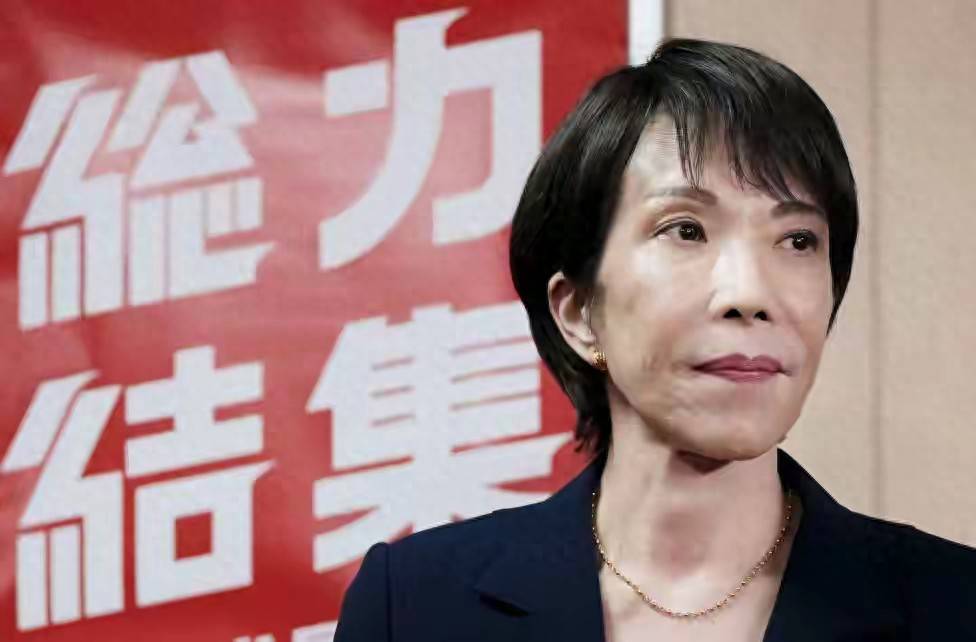
Group 1 - Japan's largest business lobbying group reports that member companies' employees have secured over 5% salary increases for two consecutive years, indicating a sustained upward trend in wages amid a tightening labor market [1][4] - The average salary increase for 620,000 employees from 97 major companies in Japan is reported at 5.38%, slightly lower than last year's 5.58%, but significantly higher than the 20-year average increase of approximately 2.3% [1][4] - 11 out of 17 industries in Japan have seen salary increases higher than last year, with transportation, electronics, and chemicals leading the way, while traditional manufacturing sectors like automotive and steel have experienced more moderate increases [4][6] Group 2 - Over 50% of Japanese companies are facing severe regular employee shortages, contributing to the upward pressure on wages [6] - The core Consumer Price Index (CPI) is expected to rise to 3.4%, marking a two-year high, as inflation has remained at or above the Bank of Japan's 2% target for three consecutive years [6] - The recent rise in long-term Japanese government bond yields, particularly the 40-year bond reaching 3.675%, is constraining the Bank of Japan's ability to raise interest rates [7]