时间战

Search documents
美国一直拱火,为何中国就是不接招?看完就懂中国“不战”的智慧
Sou Hu Cai Jing· 2026-01-13 15:06
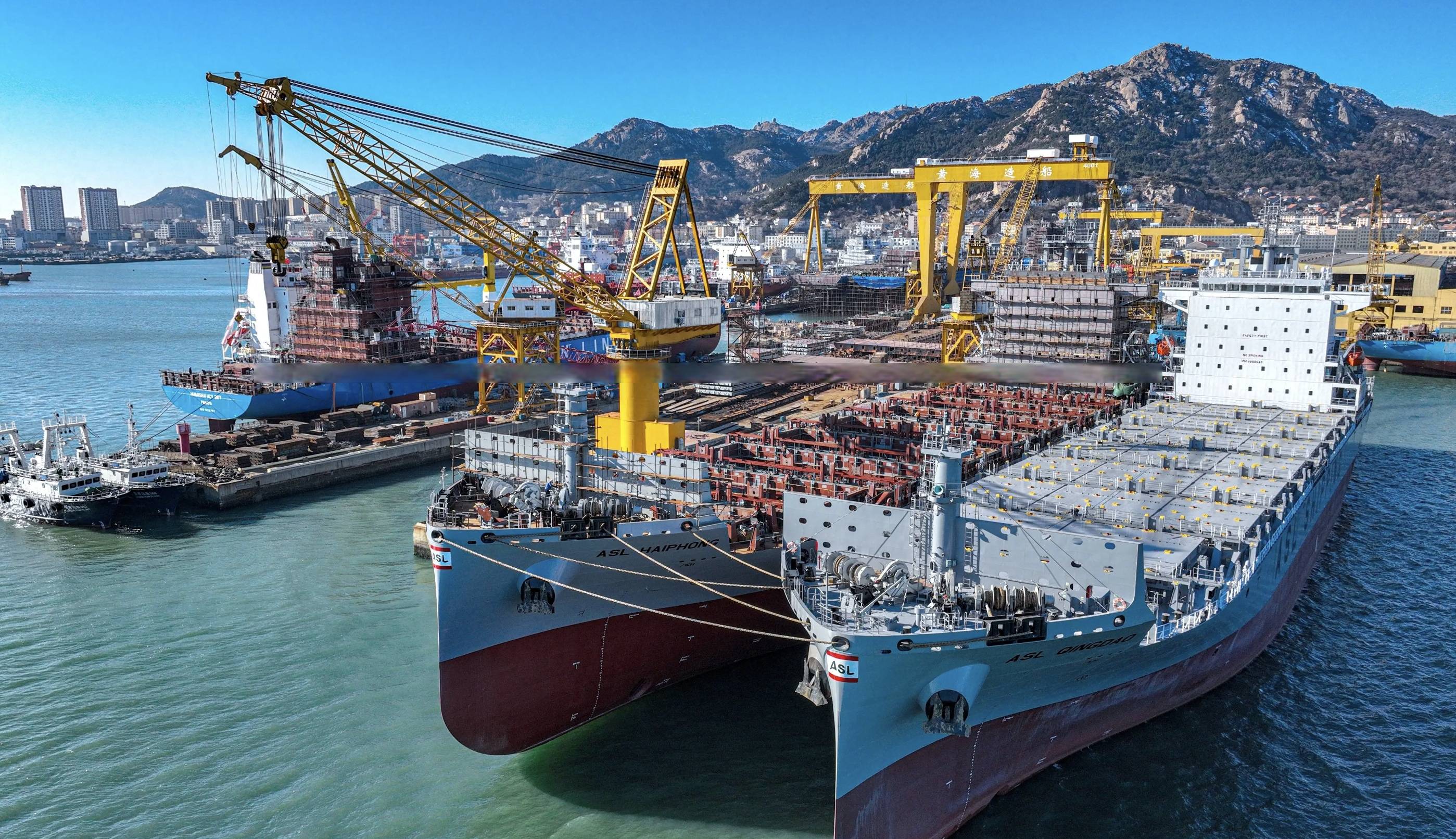
Core Viewpoint - The article discusses the strategic calculations behind the U.S. pressure on China, highlighting that the U.S. is pushing for conflict as a last resort to curb China's rise, which has been catalyzed by previous U.S. actions [5][15][42]. Group 1: China's Industrial Strength - China's industrial capabilities have seen explosive growth, with annual shipbuilding tonnage surpassing that of the U.S., Japan, and South Korea combined, and crude steel production accounting for over half of the global total [1][19]. - China possesses the most complete industrial system globally, with the ability to produce everything from screws to space stations, making U.S. tariffs ineffective [7]. - The annual crude steel production exceeds 1 billion tons, providing a solid foundation for military potential [21]. Group 2: U.S. Strategic Concerns - The U.S. is experiencing industrial hollowing and high debt, leading to strategic anxiety about losing its global hegemony as China's development continues [3][33]. - The U.S. has attempted various methods to suppress China's growth, including trade wars and technology restrictions, but these have only strengthened China's position [10][37]. - The U.S. is facing significant economic challenges, including a national debt exceeding $38 trillion, with annual interest payments nearing $1.1 trillion [39]. Group 3: The Nature of Conflict - The article argues that the U.S. is trying to provoke China into conflict to disrupt its development and isolate it internationally [17][25]. - China's decision to avoid conflict is framed as a rational choice based on its current strength and the understanding that true power does not require military action [19][42]. - Historical examples illustrate that wars are often fought out of desperation rather than strength, emphasizing that China is not in a position of crisis that necessitates war [27][31]. Group 4: Long-term Strategies - China is focusing on long-term strategies to enhance its global position, such as the Belt and Road Initiative and strengthening energy cooperation with Russia [35]. - The article suggests that as time progresses, the gap between China and the U.S. will continue to narrow, with China's manufacturing scale expected to surpass that of the entire West in the coming decades [41]. - The emphasis is placed on the idea that true victory comes from strategic patience and development rather than military confrontation [43].