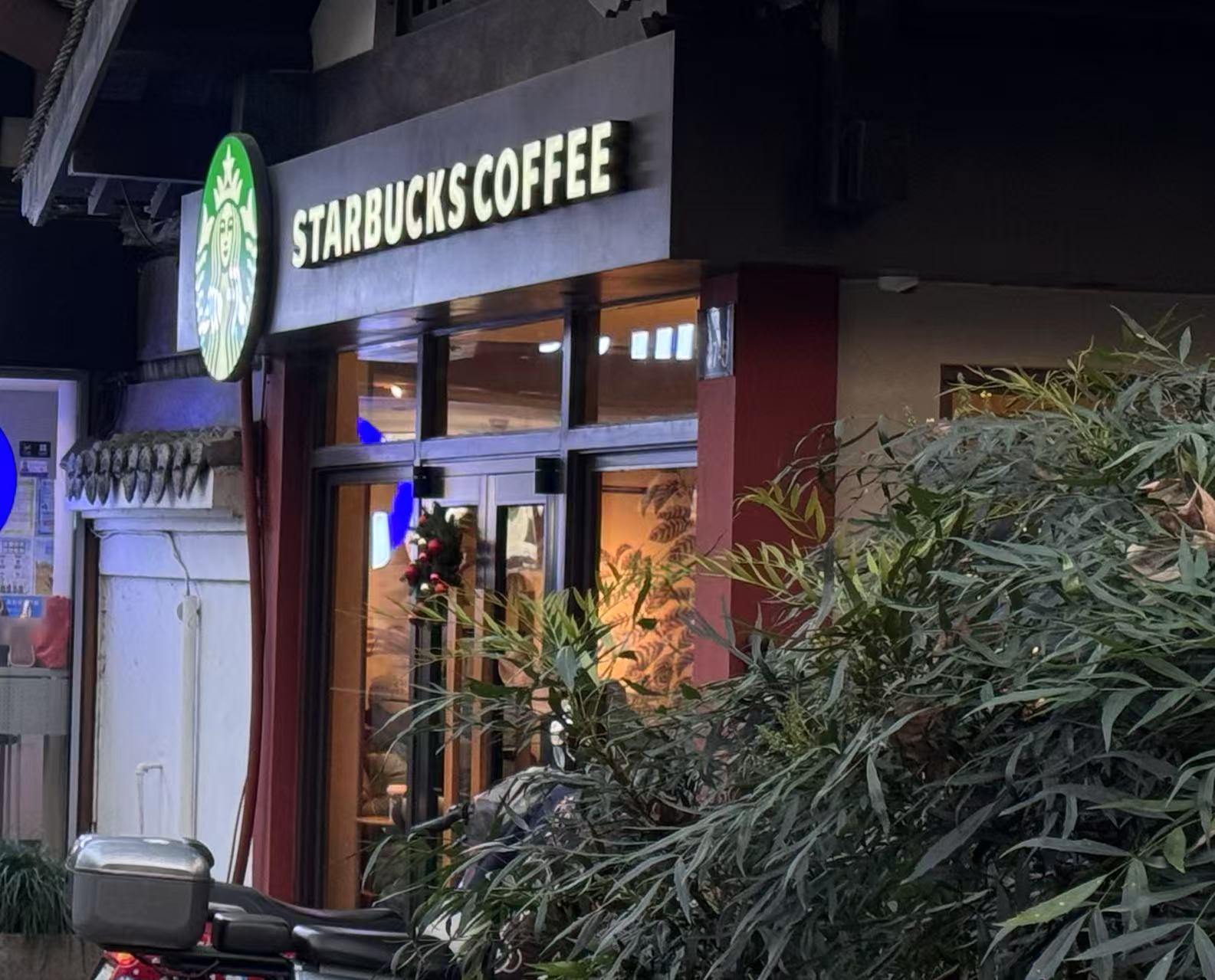
星巴克下沉市场扩张

Search documents
星巴克“易主”:2万门店野心下,咖啡巨头能否真正“下沉”?
Di Yi Cai Jing· 2025-11-06 06:17
Core Insights - Starbucks has transitioned from "sole control" to "joint operation" in China, partnering with Boyu Capital to form a joint venture, marking the first time in 26 years that it has relinquished control of its core business in the Chinese market [1][6] - The competitive landscape in China's coffee market has dramatically changed, with Luckin Coffee surpassing Starbucks in both store count and revenue, becoming the leading coffee company in China [3][8] - The partnership with Boyu Capital is seen as a strategic move to enhance Starbucks' market position and accelerate its expansion in China, particularly in lower-tier cities [7][8] Competitive Landscape - Luckin Coffee's revenue exceeded Starbucks for the first time in Q2 2023, with Luckin reporting 21.2 billion yuan in revenue and nearly 1.8 billion yuan in net profit for the first half of 2025, compared to Starbucks' 18.2 billion yuan in revenue and approximately 1.2 billion yuan in net profit [3][4] - Other local brands, such as Kudi Coffee, have also emerged rapidly, with Kudi opening over 14,000 stores since its establishment in 2022, intensifying the competition for Starbucks [3][4] Strategic Response - In response to competitive pressures, Starbucks has implemented regular discounts and promotions, particularly on non-coffee products, and has collaborated with platforms to offer lower prices, sometimes as low as 25 yuan per cup [4][9] - Starbucks' revenue in China showed signs of recovery in Q4 2025, achieving 831.6 million USD, a 6% year-on-year increase [4] Joint Venture with Boyu Capital - Boyu Capital acquired a 60% stake in the joint venture for 4 billion USD, valuing Starbucks' Chinese operations at over 13 billion USD [6][7] - Boyu Capital's extensive local resources and experience in the retail sector are expected to facilitate Starbucks' expansion and operational efficiency in China [7][8] Future Expansion Plans - The new joint venture aims to manage approximately 8,000 existing Starbucks stores in China and plans to expand to 20,000 stores, surpassing the total number of Starbucks locations in North America [8][9] - Starbucks CEO Brian Niccol emphasized that Boyu's local expertise will significantly accelerate Starbucks' growth in smaller cities and emerging regions [8] Balancing Act - Starbucks faces the challenge of balancing rapid expansion with maintaining its premium brand image, as it aims to penetrate lower-tier markets while ensuring service quality [10][11] - The company must navigate the complexities of scaling operations while preserving the "third place" experience that defines its brand, which may require adjustments to its traditional direct management model [10][11]


星巴克“易主”:2万门店野心下,咖啡巨头能否真正“下沉”?
第一财经· 2025-11-06 06:16
Core Viewpoint - Starbucks has transitioned from "independent control" to "joint operation" in China, partnering with Boyu Capital to form a joint venture, marking the first time it has relinquished control of its core business in China after 26 years of operation [3][4]. Group 1: Market Competition - The competitive landscape of the Chinese coffee market has dramatically changed, with Luckin Coffee surpassing Starbucks in both store count and revenue, becoming the new market leader [5][7]. - In Q2 2023, Luckin's revenue exceeded Starbucks for the first time, with Luckin reporting 21.2 billion yuan in revenue and nearly 1.8 billion yuan in net profit for the first half of 2025, while Starbucks reported 18.2 billion yuan in revenue and approximately 1.2 billion yuan in net profit [7]. - Other local brands, such as Kudi Coffee, have also emerged rapidly, with Kudi opening over 14,000 stores since its establishment in 2022, intensifying the competitive pressure on Starbucks [5][7]. Group 2: Strategic Changes - In response to fierce competition, Starbucks has lowered prices on non-coffee products and enhanced promotions, with some drinks being offered at prices as low as 25 yuan, significantly below the original price of 35-40 yuan [8]. - Starbucks' performance showed signs of recovery in 2025, achieving a revenue of $831.6 million in Q4, a 6% year-on-year increase [8]. Group 3: Partnership with Boyu Capital - Boyu Capital acquired a 60% stake in Starbucks China for $4 billion, valuing the business at over $13 billion, indicating a strategic shift for Starbucks amid increasing competition [11]. - Boyu Capital is recognized for its extensive local resources and investment experience, particularly in the retail sector, which could accelerate Starbucks' expansion in China [12]. - The partnership is expected to lead to three major changes for Starbucks: accelerated store openings, more precise local operations, and improved supply chain efficiency [12]. Group 4: Expansion Plans - The new joint venture will manage approximately 8,000 existing Starbucks stores in China and aims to expand to 20,000 stores, surpassing the total number of Starbucks locations in North America [14]. - Starbucks plans to leverage Boyu's local market expertise to enhance its presence in smaller cities and emerging regions, with 183 new stores opened in Q4 2025 and entry into 47 new county-level markets [14]. Group 5: Balancing Act - Starbucks faces the challenge of balancing expansion with maintaining its premium brand image, as it aims to achieve the ambitious goal of 20,000 stores while ensuring quality service [15][16]. - The company must navigate the complexities of scaling operations while preserving the customer experience associated with its "third place" concept, which has traditionally relied on a direct ownership model [16]. - To achieve this balance, Starbucks is considering a multi-format approach, optimizing supply chain efficiency, and introducing localized products while maintaining brand integrity [16].
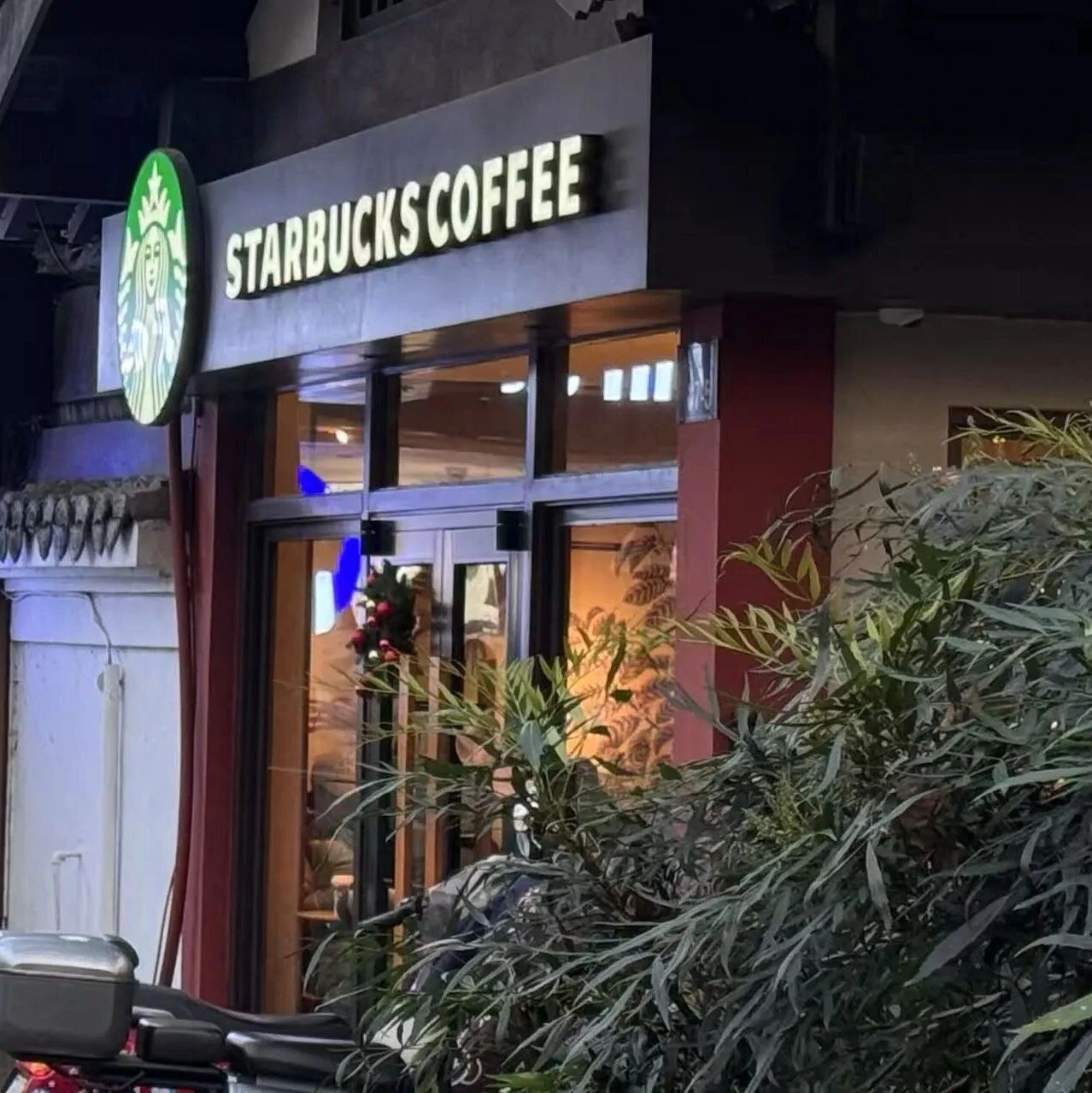
深度|星巴克“易主”博裕:2万门店野心下,咖啡巨头能否真正“下沉”?
Di Yi Cai Jing· 2025-11-06 04:08
Core Insights - The competitive landscape of China's coffee market has dramatically changed, with Luckin Coffee surpassing Starbucks in both store count and revenue, becoming the new market leader [2][4] - Starbucks has entered a strategic partnership with Boyu Capital, marking the first time in 26 years that it has relinquished control of its core business in China [1][7] - The partnership aims to enhance Starbucks' operational efficiency and accelerate its expansion in the Chinese market, particularly in lower-tier cities [10][11] Market Dynamics - Luckin Coffee's revenue for the first half of 2025 reached 21.2 billion yuan, with a net profit of nearly 1.8 billion yuan, while Starbucks reported revenue of 18.2 billion yuan and a net profit of approximately 1.2 billion yuan for the same period [4] - The rapid rise of local brands like Luckin and Kudi Coffee, which has opened over 14,000 stores since its establishment in 2022, has intensified competition for Starbucks [2][4] - Price wars initiated by local brands have altered consumer expectations, with prices for coffee now commonly ranging from 10 to 15 yuan per cup [4] Financial Performance - Starbucks China reported a revenue increase of 6% year-on-year in the fourth quarter of fiscal year 2025, amounting to $831.6 million [5] - However, the company faced challenges with a decline in average transaction value by 8% and a 14% drop in same-store sales in the fourth quarter of 2024 [4] Strategic Partnership with Boyu Capital - Boyu Capital acquired a 60% stake in Starbucks China for $4 billion, valuing the business at over $13 billion [7][8] - Boyu Capital's extensive local market experience and investment portfolio, including successful ventures in retail, are expected to enhance Starbucks' operational capabilities [9][10] - The partnership aims to accelerate store openings and improve localization strategies, with a target of expanding the number of Starbucks locations in China to 20,000 [10][11] Future Outlook - The newly formed joint venture will manage approximately 8,000 existing Starbucks stores and focus on expanding into lower-tier markets [10] - Starbucks aims to balance its high-end brand image with aggressive expansion, which poses challenges in maintaining service quality while scaling operations [11][12] - The coffee market in China is entering a new phase, with the relinquishment of control being just the beginning of a more complex competitive landscape [12]