春节健康

Search documents
天冷要防寒,美食需节制
Xin Lang Cai Jing· 2026-02-14 16:39
Group 1 - The peak period of respiratory diseases is during the Spring Festival due to increased gatherings and changes in lifestyle, which can lead to health risks [1][2] - Individuals returning home should monitor for symptoms such as fever, cough, and diarrhea, and seek medical attention if symptoms worsen [1] - A health manual has been created to guide individuals on maintaining health during the Spring Festival, emphasizing the importance of a balanced diet and food safety [1] Group 2 - The transition from winter to spring sees a rise in cardiovascular diseases, with increased risks during the Spring Festival due to environmental and lifestyle changes [2] - Special attention is required for chronic disease patients to avoid cold exposure and maintain health, particularly in preventing exacerbations of heart and lung conditions [2] - Increased risks of injuries such as burns and falls are noted during the colder months, especially for vulnerable populations like children and the elderly [2]
人间至味是团圆,平安健康才是福
Xin Lang Cai Jing· 2026-02-14 16:39
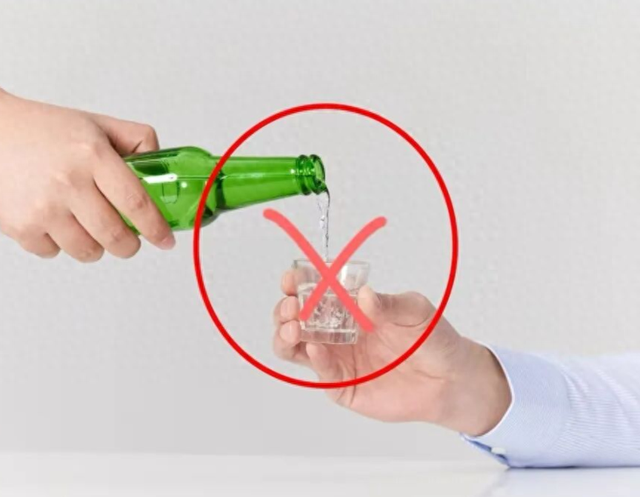
Core Insights - The article emphasizes the hidden health risks during the Spring Festival, highlighting the importance of maintaining health amidst festive indulgences and family gatherings [3] Group 1: Alcohol Consumption - Most health issues related to alcohol during the holiday stem from improper pairings and misconceptions rather than just overconsumption, with over 90% of acute cases linked to these factors [4] - Many individuals mistakenly believe that facial flushing indicates a high alcohol tolerance, while it actually signals a lack of the enzyme needed to metabolize alcohol, leading to increased toxicity [4] - Common myths about hangover remedies, such as certain medications and caffeinated drinks, can exacerbate health issues rather than alleviate them [5] Group 2: Dietary Habits - The choice of food during the festival can lead to unexpected weight gain, with seemingly healthy options like clear broth hotpot potentially being more harmful than richer alternatives due to high concentrations of purines and fats [6] - Snacks consumed during social activities can significantly contribute to weight gain, with examples showing that a handful of seeds can equal a spoonful of oil in calories [6] - The order of food consumption can impact digestion, with a recommended sequence to minimize gastrointestinal stress [6] Group 3: Beverage Choices - The consumption of sugar-free drinks should be moderated, as excessive intake can disrupt gut health and lead to digestive issues [7] - Healthier beverage options during the festival include plain water, light tea, lemon water, and unsweetened soy milk [7] Group 4: Lifestyle and Activity - Disrupted sleep patterns and prolonged sitting can have detrimental effects on health, with recommendations to take short breaks during long periods of inactivity [8] - Engaging in high-intensity exercise after a period of inactivity poses risks, and low-intensity activities are advised during the holiday [9] Group 5: Medication Management - Some individuals may stop taking necessary medications during the holiday, which can lead to serious health risks, particularly for the elderly [10] - Misconceptions about blood pressure management during seasonal changes can lead to dangerous health outcomes if medications are improperly adjusted or discontinued [10]

【帮帮】急诊科医生提醒:春节期间 警惕这些“节日杀手”
Nei Meng Gu Ri Bao· 2026-02-09 05:25
Core Viewpoint - The article emphasizes the health risks associated with certain medications and alcohol consumption during the festive season, particularly highlighting the dangers of disulfiram-like reactions and other medical emergencies that can arise from holiday indulgences [4][8]. Group 1: Health Risks from Medication and Alcohol - Patients taking antibiotics such as cephalosporins, metronidazole, and others should avoid alcohol for at least seven days after stopping the medication to prevent severe disulfiram-like reactions [4][8]. - A case is presented where a 30-year-old patient experienced a disulfiram-like reaction after consuming alcohol three days post-antibiotic treatment, leading to a medical emergency [4][6]. Group 2: Emergency Cases During the Festive Season - A 50-year-old patient suffered an acute myocardial infarction after excessive drinking and late-night activities, highlighting the risks of overindulgence during celebrations [6]. - An 80-year-old man faced choking during a family dinner, requiring immediate emergency response to clear the obstruction and save his life [7]. - A 38-year-old man developed acute necrotizing pancreatitis after consuming a mix of alcohol and fatty foods, illustrating the dangers of heavy eating and drinking [8]. Group 3: Recommendations for Health Safety - Individuals with pre-existing conditions such as hypertension or coronary heart disease should adhere to medical advice, avoid excessive stress, and maintain a balanced diet during the festive season [8]. - It is advised that older adults and children chew food thoroughly to prevent choking, especially on sticky or large pieces of food [8]. - The article stresses the importance of avoiding binge eating and drinking, particularly high-fat and high-protein foods, to prevent acute pancreatitis [8].