春节民俗文化

Search documents
古艺绽新彩 年味别样浓
Ren Min Ri Bao· 2026-02-21 11:56
Group 1: Intangible Cultural Heritage - The article emphasizes the importance of intangible cultural heritage as a vital part of Chinese traditional culture and a living testament to the continuity of Chinese civilization [1] - Various local customs and activities are organized during the Spring Festival, showcasing the richness of intangible cultural heritage and enhancing the festive atmosphere [1] Group 2: Jiao Dong Flower Steamed Buns - Jiao Dong flower steamed buns, a provincial intangible cultural heritage, have a history of over 1,000 years and are particularly prominent in the Jiaodong Peninsula and southwestern Shandong [2] - The production of flower steamed buns involves 72 intricate steps, with critical attention to fermentation and shaping techniques to ensure quality [2][3] - Lin Rongtao, a representative inheritor of this craft, has developed over 100 varieties and has trained more than 400 apprentices, indicating a strong tradition of knowledge transfer [4] Group 3: Cultural Significance and Modern Adaptation - The flower steamed buns not only represent culinary traditions but also embody the cultural genes and artisan spirit of the Shandong region [3] - Lin Rongtao has innovated the traditional recipes to make them more appealing to modern tastes while maintaining their cultural essence [3][4] - The flower steamed buns have gained popularity beyond local markets, with orders coming from across the country and even overseas [4] Group 4: Other Intangible Cultural Heritage Examples - The article also highlights the "Iron Flower" performance in Henan, which combines ancient techniques with modern safety measures, showcasing the revival of this nearly lost art [6][7] - The "Fish Lantern" tradition in Anhui, with its historical roots and modern adaptations, has become a popular cultural event, attracting significant tourist interest [9][10][12] - The "Yingge" dance from Guangdong has evolved to include female performers and modern choreography, demonstrating the adaptability of traditional arts to contemporary audiences [14][15][16]
视频丨清徐背棍、划旱船、跳竹马 多彩民俗活动点燃红红火火中国年
Yang Shi Xin Wen Ke Hu Duan· 2026-02-18 14:16
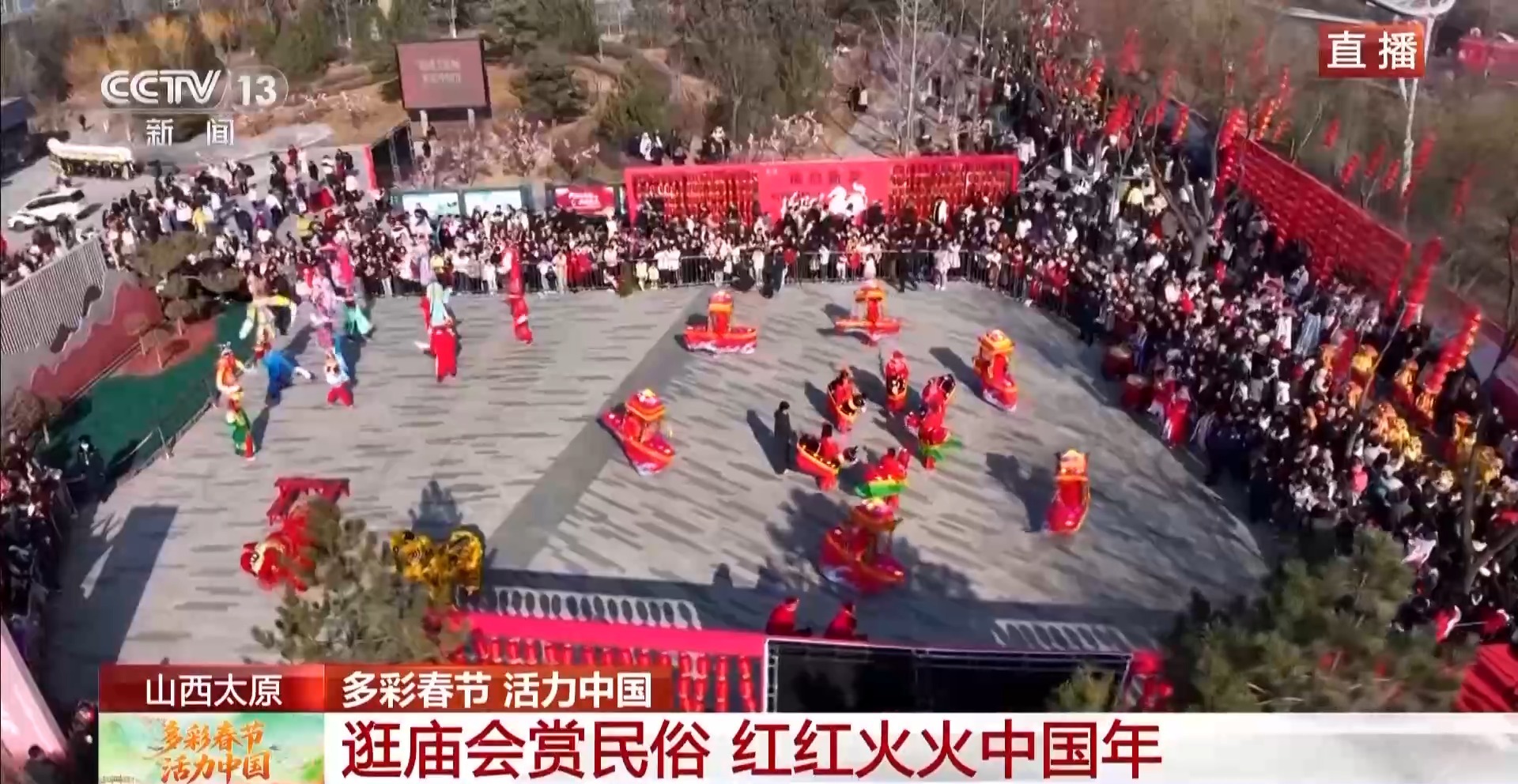
Group 1 - The Taiyuan Temple Fair is a significant event for locals during the Spring Festival, held at the Taiyuan Zoo, featuring vibrant decorations and cultural elements related to the Year of the Horse [2][12] - Various traditional performances, such as lion dances and the national intangible cultural heritage of Qingxu Backstick, are highlights of the fair, showcasing the skills and coordination of performers [4][6] - The fair includes interactive experiences for visitors, such as non-heritage craft markets where attendees can engage in traditional arts like sugar painting and clay modeling, enhancing cultural appreciation [8][10] Group 2 - The food offerings at the Taiyuan Temple Fair include local delicacies like sweet potatoes and lamb soup, as well as famous snacks from across the country, contributing to a festive atmosphere [10] - The event runs from the first to the sixteenth day of the lunar new year, with an expected daily attendance of over 50,000 visitors, indicating its popularity and significance in the region [12] - The fair also features activities for children, including a play area and ice entertainment zone, ensuring a family-friendly environment [10]

海东平安:喜迎新春年味浓 34支社火队排练忙
Xin Lang Cai Jing· 2026-01-14 19:42
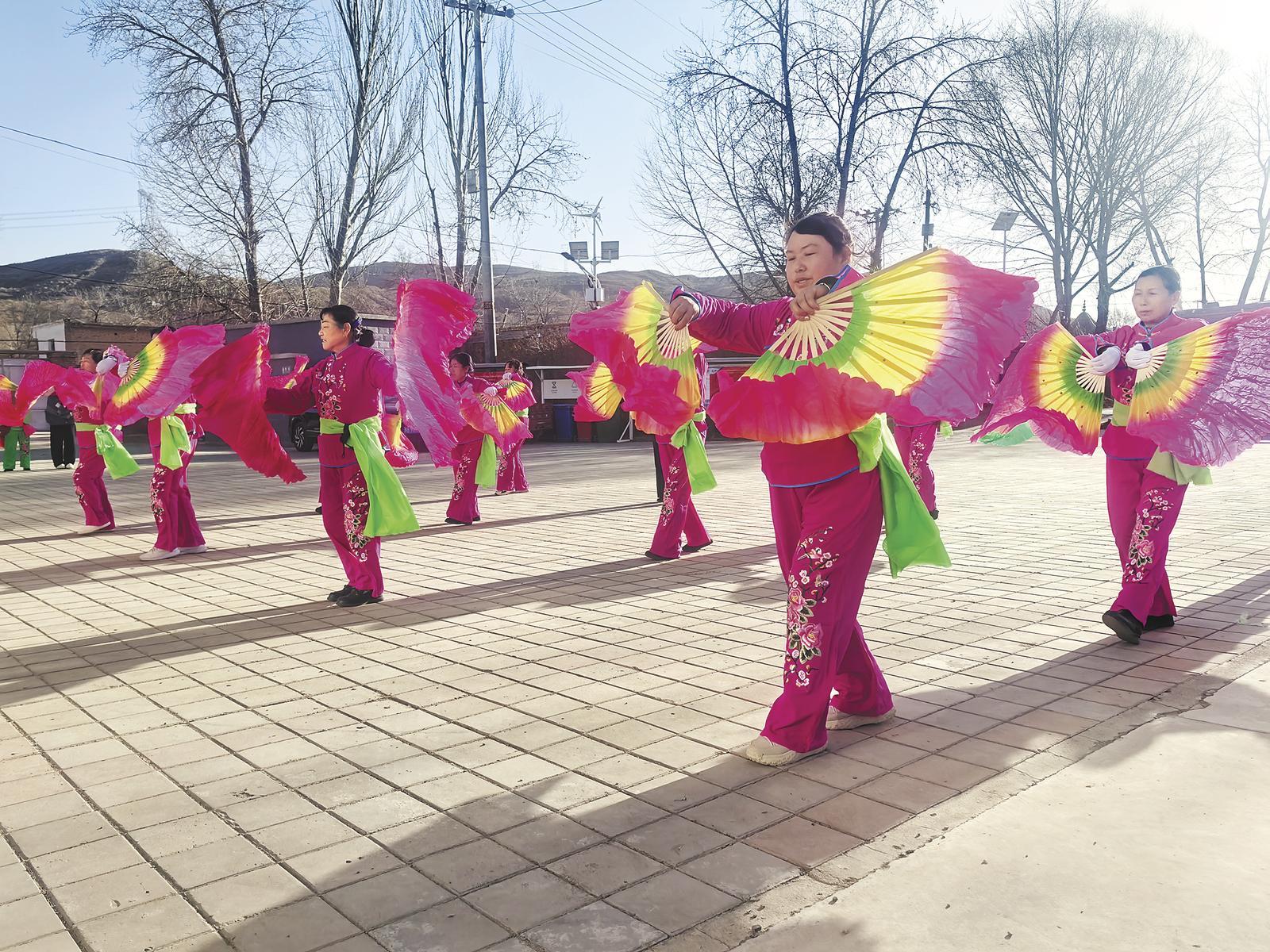
Core Viewpoint - The article highlights the preparations for traditional cultural celebrations in Haidong City, Ping'an District, as the Spring Festival approaches, emphasizing community engagement through folk performances [1] Group 1: Event Preparations - A total of 34 folk performance teams from various towns and streets in Ping'an District are actively rehearsing for the upcoming Spring Festival celebrations [1] - The preparations began on January 10, with a lineup of 15 different performances including lion dances, dragon dances, farmer dances, and fan dances [1] - The aim is to provide a vibrant cultural feast for the community, allowing residents to enjoy traditional festivities close to home [1]