
春节饮食健康

Search documents
这份饮食小贴士,帮你躲过“佳节胖三斤”!
Xin Lang Cai Jing· 2026-02-16 09:53
春节饮食,这些误区要避开 本文转自【新华网微信公众号】; 春节阖家团圆,丰盛的年夜饭、亲友相聚的各式美食,让味蕾尽享满足的同时,也让饮食平衡与健康管 理迎来考验,"佳节胖三斤"更是不少人的困扰。节日餐桌藏着哪些健康陷阱?怎样巧控热量实现美食与 健康兼得?老人、孩子及慢性病患者有哪些饮食原则需遵守?这份医生支招的小贴士,助全家吃好喝好 不添负担,解锁健康新春。 1 春节餐桌上的美食琳琅满目,一些传统饮食和聚餐习惯,却容易让我们不知不觉陷入健康误区。 "硬菜"主导,膳食结构失衡。年夜饭多以红烧肘子、油炸年货、糖醋排骨等高油、高脂肉类菜品为主。 这类菜品会压缩蔬菜、粗粮的摄入空间,造成维生素、膳食纤维等营养素缺乏,进而引发餐后油腻、腹 胀等消化系统不适症状。 零食摄入失控,导致热量超标。瓜子、花生、糖果、糕点等节日零食,易在闲谈中被无意识过量食用。 这些零食含有大量脂肪与糖分,会使人体在正餐之外摄入额外热量,长期累积将导致体重上升。 过度饮酒,引发机体损伤。"感情深,一口闷",春节亲朋小聚,易造成饮酒过量。过量饮酒不仅会损伤 肝脏、胃肠道黏膜,还会升高血压,增加心脑血管疾病发作及意外事件发生的风险。 作息紊乱,加重 ...
过年肠胃连轴转“闹脾气” 几个小妙招教你对症调理
Xin Lang Cai Jing· 2026-02-16 02:30
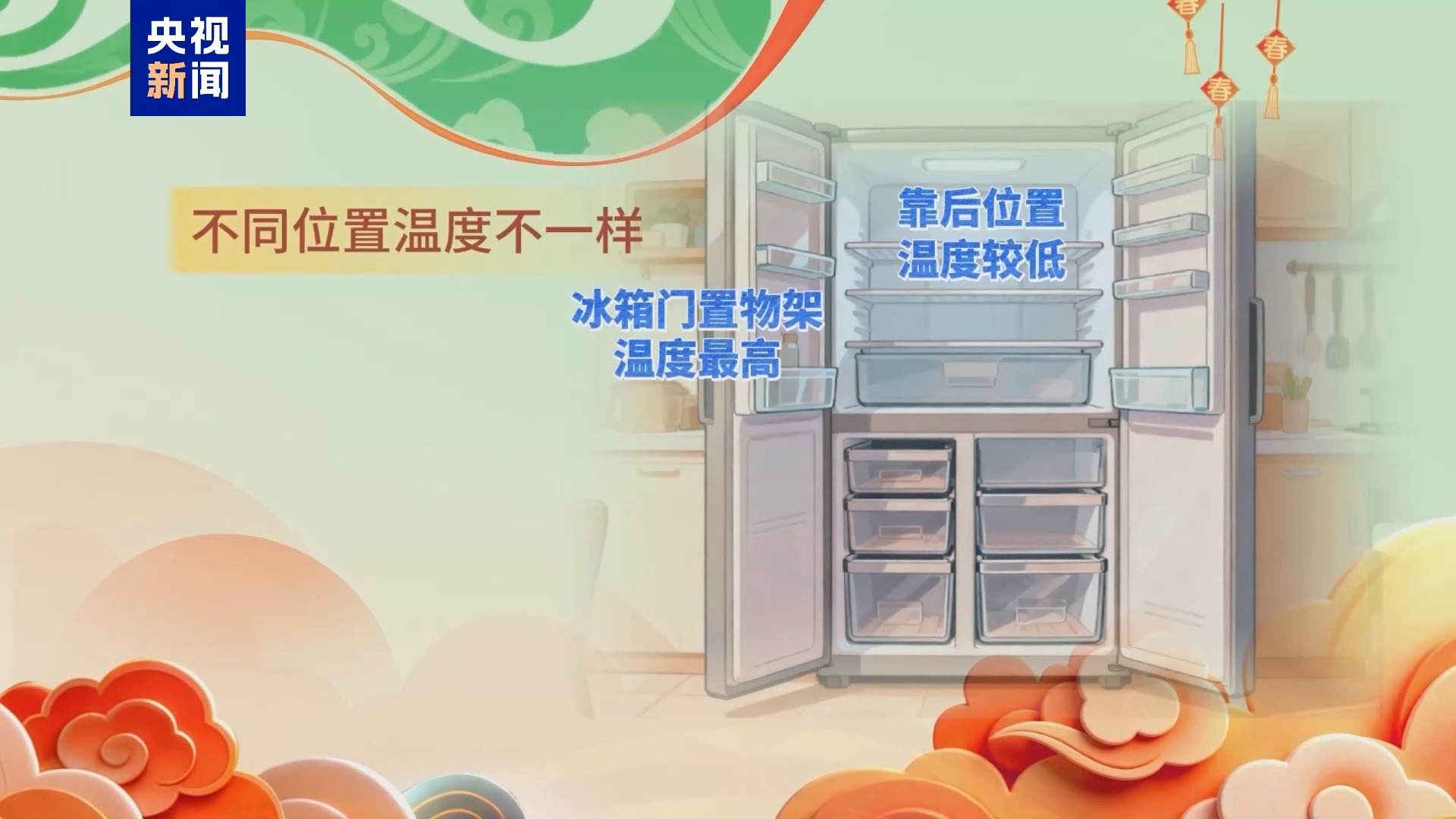
Core Viewpoint - Proper food storage in refrigerators is crucial for food safety, especially during the festive season when families tend to stock up on groceries. Group 1: Refrigerator Temperature and Storage Guidelines - The recommended temperature for the refrigerator is between 0-4°C, while the freezer should not exceed -18°C. Regular monitoring and cleaning are essential to maintain these temperatures [1][3]. - Different areas within the refrigerator have varying temperatures; for instance, the back is colder than the door shelves. Items like milk and raw meat should be stored towards the back, while the door is the warmest area [3]. - Food should be stored separately by type: ready-to-eat items on the top shelf, dairy and eggs in the middle, and raw meats in the lower section, ideally in sealed containers to prevent cross-contamination [3]. Group 2: Food Safety and Consumption Recommendations - Certain foods, such as cold dishes and seafood, should not be stored for later consumption due to their susceptibility to spoilage [5]. - The refrigerator should not be overfilled; keeping it below 75% capacity allows for proper air circulation. Frequent opening of the door should be avoided to minimize warm air influx [5]. - During the festive season, gastrointestinal issues may arise from irregular eating habits. It is advised to consume easily digestible foods and consider probiotics for gut health [5]. Group 3: Gastrointestinal Health and Emergency Responses - Symptoms indicating potential gastrointestinal emergencies include persistent abdominal pain, changes in stool color, and jaundice, which require immediate medical attention [7][11]. - Common risks during festive meals include choking on food. If an object is lodged in the throat, the Heimlich maneuver is recommended, with specific techniques for different body types [11][13]. - If small objects like fish bones are swallowed and cause discomfort, medical evaluation through imaging may be necessary [13].

不必辜负美食,也别忽略身体——请收好这份“春节饮食指导”
Xin Lang Cai Jing· 2026-02-13 20:37
Core Viewpoint - The article emphasizes the importance of making healthier food choices during the festive season to avoid weight gain and maintain overall well-being while enjoying family gatherings and traditional meals [1]. Group 1: Healthy Eating Tips - Tip 1: Choose high-satiety foods such as chicken breast, fish, shrimp, lean beef, oats, corn, celery, mushrooms, and apples, while avoiding high-calorie fried foods [2]. - Tip 2: Follow a proper meal sequence by starting with low-calorie vegetables, then soups, and finally meats and staple foods, while reducing the intake of staple foods [3]. - Tip 3: Avoid sweet beverages during meals, opting for light tea or lemon water instead [4]. - Tip 4: Limit high-fat and high-sugar snacks and desserts, choosing fruits and nuts in moderation instead [5]. - Tip 5: Increase physical activity after meals to enhance energy expenditure and aid digestion [6]. Group 2: Alcohol Consumption Guidelines - Avoid excessive drinking, adhering to recommended limits of 25 grams of alcohol for men and 15 grams for women daily [7]. - Do not drink on an empty stomach to prevent damage to the stomach lining and rapid absorption of alcohol [8]. - Avoid mixing carbonated drinks with alcohol, as it can increase alcohol absorption and lead to quicker intoxication [9]. - Be cautious with homemade alcoholic beverages, as improper preparation can lead to health risks [10]. Group 3: Leftover Food Safety - Follow the principle of "better to have leftover meat than vegetables," as vegetables can convert nitrates to harmful nitrites when stored [11]. - Store different types of leftovers separately in clean, airtight containers to prevent cross-contamination [12]. - Reheat leftovers thoroughly before consumption to ensure safety, aiming for a temperature of 100°C for at least five minutes [13][14]. Group 4: Digestive Health - During festive gatherings, excessive consumption of rich foods can lead to digestive discomfort; remedies include consuming digestive aids like hawthorn and gentle abdominal massage [15]. - It is important to control food intake and opt for lighter meals after heavy eating to allow the digestive system to recover [16].
少荤多素 节日餐桌的营养真相
Xin Lang Cai Jing· 2026-02-11 03:19
来源:北京青年报 在不少家庭的年饭认知里,"年味儿"等同于满桌的大鱼大肉,鸡鸭鱼肉、牛羊海鲜,应有尽有,蔬菜要 么被当作点缀,要么直接被挤出餐桌。但这种"少菜多荤"的春节饮食模式,看似丰盛,实则暗藏健康隐 患。 过量食肉 肠胃和代谢负担重 肉类主要提供蛋白质和脂肪,但缺乏维生素C、叶酸以及钾、镁等矿物质,这些营养素恰恰是蔬菜的强 项。比如青椒、西兰花富含维生素C,能促进蛋白质吸收和胶原蛋白合成;菠菜、芥蓝富含叶酸,对维 持神经系统健康至关重要;冬瓜、芹菜富含钾元素,有助于调节血压。 春节期间长期缺乏这些营养素,可能导致免疫力下降、疲劳乏力,甚至加重身体的炎症反应,让本应放 松的假期变成养病期。 荤香不缺绿 只需这样做 节日饮食的核心是荤素搭配,蔬菜占比不缺位。首先,调整餐桌比例,保证蔬菜占比不低于40%,可选 择西兰花、荷兰豆、芦笋等口感脆嫩、适合节庆的蔬菜,兼顾颜值和营养。其次,改变烹饪方式,蔬菜 以清炒、白灼、凉拌为主,比如白灼菜心、凉拌黄瓜,最大程度保留营养素;肉类减少油炸、红烧,多 采用清蒸、炖煮,如清蒸鱼、炖排骨,降低脂肪摄入。 最后,巧用蔬菜做配菜,比如炖鸡汤时加玉米、胡萝卜,炒虾仁时配西兰花,让 ...
春节吃好喝好的健康秘诀
Xin Lang Cai Jing· 2026-02-08 20:36
Core Viewpoint - The article emphasizes the importance of maintaining healthy eating habits during the Spring Festival to prevent various digestive diseases, providing guidelines on dietary structure, meal timing, and special considerations for vulnerable groups [1]. Group 1: Dietary Rhythm - Maintaining a regular meal schedule is crucial to avoid binge eating, which can lead to serious digestive issues such as acute pancreatitis and gastric dilation [2]. - It is recommended to keep meals at regular intervals and eat until 70-80% full to allow adequate digestion [2]. Group 2: Nutritional Balance - A balanced diet is essential, incorporating appropriate proportions of proteins, fats, carbohydrates, vitamins, minerals, water, and dietary fiber [3]. - The typical festive diet often consists of high-protein and high-fat foods, which can increase the risk of cardiovascular diseases and digestive problems; thus, it is advised to include sufficient vegetables and fruits [3]. Group 3: Special Population Considerations - Individuals with digestive system diseases, such as peptic ulcer patients, should avoid irregular eating and excessive alcohol consumption to prevent complications like gastrointestinal bleeding [4]. - Patients with liver cirrhosis should consume soft foods to avoid injury to the esophagus and stomach [4]. - All liver disease patients must completely avoid alcohol to prevent further liver cell damage [5]. - Elderly individuals and children should be supervised while eating certain foods to prevent choking hazards [5]. Group 4: Food Safety - Proper food hygiene is critical during the festive season, including avoiding overnight consumption of cold dishes and ensuring leftovers are stored correctly [6]. - It is important to separate raw and cooked foods in the refrigerator to prevent cross-contamination and to heat food thoroughly before consumption [7]. - When dining out, choosing reputable restaurants and practicing shared utensils can help reduce the risk of disease transmission [7].