智能硬件出海

Search documents
后关税时代,智能硬件创业者的下一站在哪?|2025 T-EDGE全球对话
Sou Hu Cai Jing· 2025-12-31 12:52
Core Insights - The article discusses the impact of the U.S. tariff policy on global trade, particularly how it affects Chinese companies' overseas strategies and the emergence of new players in the AI-driven hardware sector [3] - The global AI edge hardware market is projected to grow from 321.9 billion yuan to 1.22 trillion yuan from 2025 to 2029, with a compound annual growth rate (CAGR) of 40%, significantly outpacing traditional consumer electronics [3] - The shift towards AI hardware represents a new competitive landscape, where hardware is evolving from a passive tool to an active service provider that understands user needs [4][5] Group 1: Market Dynamics - The U.S. tariff changes have led to a reassessment of overseas markets, with many companies considering alternatives to the U.S. market while still recognizing its significance due to high consumer willingness to pay [6] - Despite tariff fluctuations, Chinese companies maintain profitability due to advantages in supply chains, talent pools, and rapid product iteration compared to Silicon Valley [4][6] - The AI hardware sector is characterized by challenges such as data scarcity and the need for significant computational power, which can increase costs and limit product usability [5][34] Group 2: Entrepreneurial Challenges and Opportunities - Entrepreneurs in the AI hardware space face hurdles related to proprietary data availability and the complexity of enhancing user experience through AI [5][35] - The need for collaboration with medical professionals and data experts is emphasized as a strategy to overcome challenges in product development and user engagement [5][35] - The article highlights that addressing these challenges can lead to unique value propositions that differentiate products in the market [35] Group 3: Innovation and Product Development - The article outlines a shift in product development strategies, where crowdfunding platforms like Kickstarter are utilized for market validation and user feedback [7][12] - Companies are encouraged to adopt a direct-to-consumer (DTC) approach, leveraging community engagement and social media to enhance product visibility and user interaction [13][14] - The importance of understanding local market dynamics and consumer behavior is stressed, particularly in the context of product localization and cultural adaptation [18][25] Group 4: Future Directions and Strategic Insights - The establishment of innovation centers, such as the one in Silicon Valley, aims to facilitate connections between entrepreneurs and overseas resources, enhancing market entry strategies [28] - The integration of AI into hardware is seen as a critical factor for future success, with a focus on creating seamless user experiences that address real-world problems [33][36] - The article concludes with a call for entrepreneurs to navigate the complexities of AI and hardware integration while ensuring compliance with varying international regulations [36]



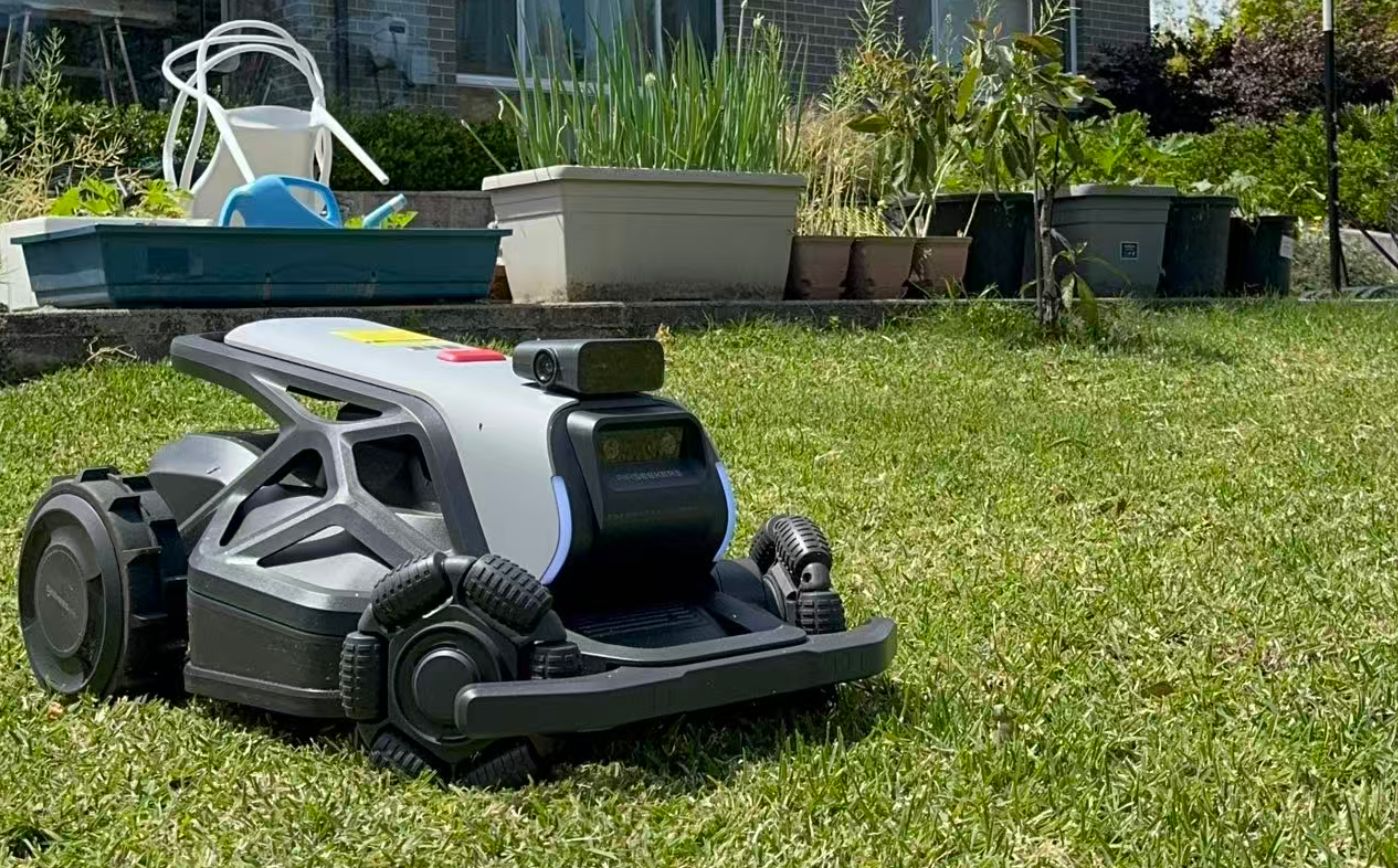
众筹交付滞后、资金告紧之下,长曜创新的「生死之战」
36氪· 2025-12-04 00:36
Core Viewpoint - The article discusses the challenges and opportunities faced by Changyao Innovation in the lawn mowing robot industry, highlighting the company's recent financing, product delivery issues, and strategic adjustments to ensure growth and market presence [4][11][14]. Group 1: Company Challenges - Changyao Innovation faced significant cash flow pressures due to high production costs and delays in product delivery, leading to a decision to commercialize products through retail channels to maintain operations [9][10]. - The company experienced a user trust crisis as it struggled with supply chain and financial pressures, prompting a public letter to backers about delivery delays [9][10]. - Initial crowdfunding efforts generated over $2.2 million, but low product pricing and high costs left little for production, necessitating further financing [6][7][18]. Group 2: Financing and Growth - Changyao secured several rounds of financing, including a recent multi-million A round led by a major robotics company, which has helped stabilize cash flow and support product delivery [11][19]. - The company expects to achieve nearly 100 million yuan in revenue this year, with projections to increase fivefold next year, aiming for 300 million yuan in 2026 [4][11][23]. Group 3: Market Position and Strategy - The lawn mowing robot market is competitive, with Changyao targeting the underserved segment of complex terrain and small lawns, which are not adequately addressed by lower-priced models [30][35]. - The company differentiates itself through superior adaptability to complex environments, enhanced lawn care features, and strong after-sales service, which are critical for building brand trust in overseas markets [35][37]. - Changyao plans to expand its product line to cover various price points and specifications, ensuring competitiveness across different sales channels [42][43]. Group 4: Future Outlook - The company is optimistic about its growth potential, having established a solid user base and planning to launch a second-generation product next summer [26][38]. - Despite the challenges, the company believes there are still significant opportunities in the market, particularly for those who can effectively address user needs and provide reliable service [25][30].

众筹交付滞后、资金告紧之下,长曜创新的“生死之战”
3 6 Ke· 2025-12-03 01:33
Core Insights - The founder of Changyao Innovation, Hu Yue, is facing a financial crisis as the company's funds are nearing a critical threshold by the summer of 2025 [1] - The company initially achieved significant success with its AIRSEEKERS TRON series of robotic lawn mowers, raising over $2.2 million in the first month of crowdfunding and securing three rounds of financing exceeding 100 million yuan within two years [2] - However, the harsh realities of the hardware industry quickly emerged, with rapid cash consumption due to high R&D and production costs, leading to a cash flow crisis [3][4] Financial Challenges - The low pricing of crowdfunding products, combined with high initial costs for mold development and marketing, left the company with minimal funds for production [3] - Hu Yue had to announce a delay in product delivery to crowdfunding backers, opting to sell through retail channels to maintain cash flow and ensure continued delivery of crowdfunding orders [5][6] - The company has since completed a new round of financing, securing several million yuan from strategic investors, which has helped alleviate cash flow issues [7][10] Market Position and Strategy - The robotic lawn mower market is competitive, with many players, but Changyao is focusing on a niche market of complex terrain for small to medium lawns, which is currently underserved [19][20] - The company aims to differentiate itself through superior adaptability to complex environments, enhanced lawn care features, and robust after-sales service [23][24] - The target demographic primarily consists of middle-class individuals aged 35-60, who prioritize product adaptability over brand recognition or price [20][21] Product Development and Future Plans - Changyao plans to continue developing its product line, with a focus on mid-to-high-end products and a broader SKU range to meet diverse market needs [26][28] - The company is also preparing to launch a second-generation product by summer 2024, aiming for significant revenue growth in the coming years [13][25] - The strategy includes building a strong after-sales service network to enhance customer satisfaction and loyalty [14][24] Competitive Landscape - The European market is perceived as competitive, but there are opportunities for growth, particularly in offline channels where many brands struggle [30][34] - Changyao is focusing on establishing a local presence in Europe, leveraging a team with experience from major tech companies to build partnerships and stabilize sales [35] - The company believes that the current market is not as saturated as it appears, with significant potential for growth in the robotic lawn mower segment [32][34]
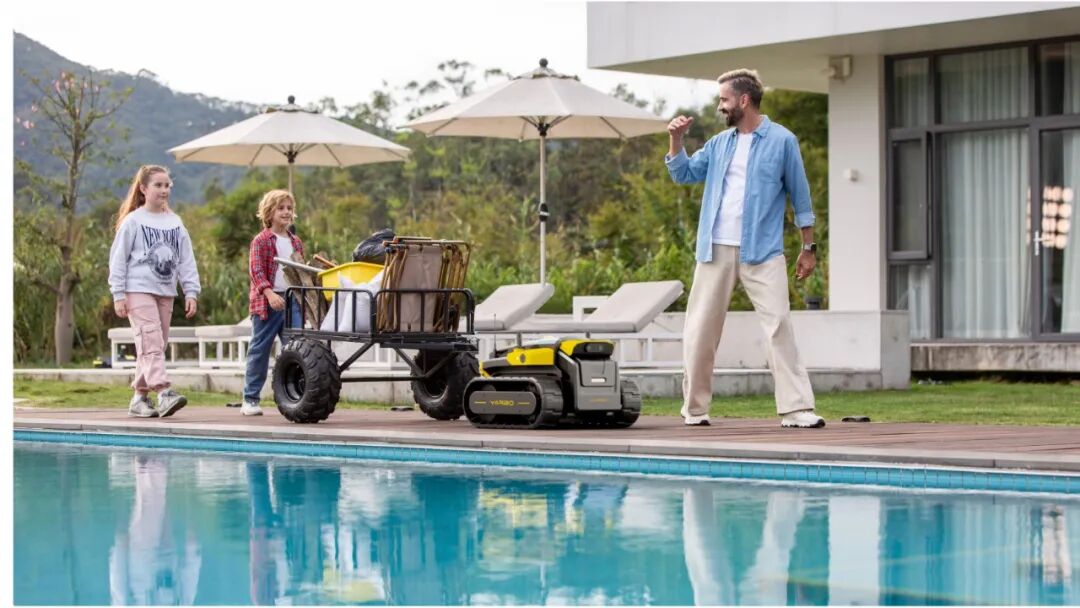
老外抢爆中国“神器”,有商家靠单品年入数亿
3 6 Ke· 2025-10-27 23:49
Core Insights - The article discusses the rising demand for outdoor maintenance robots in Europe and North America, driven by high labor costs and the need for convenience in yard care [1][3][16] - Chinese companies are capitalizing on this trend by offering cost-effective and intelligent solutions for tasks such as lawn mowing, snow removal, and pool cleaning [2][8][12] Group 1: Market Demand and Pain Points - In the U.S., households spend an average of $2,160 annually on lawn mowing, $500 for snow removal, and $1,432 for pool maintenance, highlighting the high costs associated with traditional yard care [1][10] - The increasing aging population and rising labor costs in Europe and North America are pushing the need for automation in yard maintenance [16][17] Group 2: Company Innovations and Offerings - HanYang Technology has developed a modular outdoor robot system that can perform multiple tasks, including snow removal and lawn mowing, with a single main unit [3][5][7] - The Yarbo robot, launched by HanYang, has received over 6,000 orders in its first year, indicating strong market acceptance and potential sales exceeding 200 million yuan [7][16] Group 3: Competitive Landscape - Shenzhen-based SiAoTuo Technology has emerged as a top player in the pool cleaning robot market, achieving significant growth through technological advancements and competitive pricing [8][11][12] - SiAoTuo's CrabPro model offers advanced features at a price point below $300, significantly lower than competitors, which typically exceed $1,100 [11][12] Group 4: Future Growth Potential - The global pool robot market is projected to grow from $980 million in 2024 to over $1.94 billion by 2029, with a compound annual growth rate of 14.7% [10][14] - The article suggests that the market for outdoor maintenance robots is still in its educational phase, with significant growth expected in the coming years as consumer awareness increases [17][18]
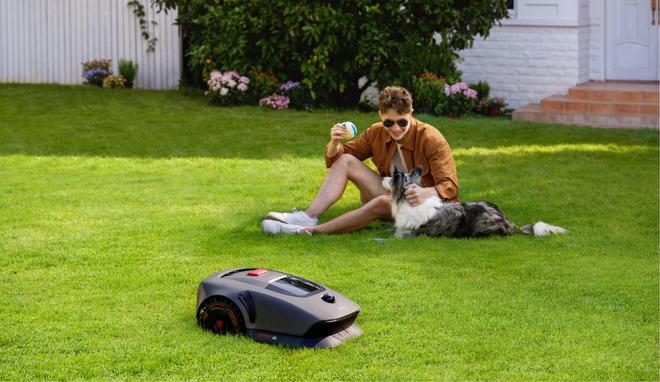
MOVA割草机器人卖出10万台背后,一场进入下半场的残酷战争|Insight全球
3 6 Ke· 2025-08-27 01:35
Core Insights - The article discusses the competitive landscape of the smart lawn mower market, highlighting the rapid growth and entry of new players like MOVA, which has achieved significant sales in a short time frame [1][2][4]. Market Overview - The global smart lawn mower market is estimated to be between $1.5 billion and $2.5 billion in 2023, with projections to reach $6 billion to $10 billion by 2030, maintaining a compound annual growth rate (CAGR) of 12% to 20% over the next 5-10 years [5]. - Current penetration of smart lawn mowers in the global lawn care equipment market is less than 2%, with potential growth to 17%, translating to a market size exceeding 300 billion RMB [5]. Company Profile: MOVA - MOVA, established in 2024, focuses on laser radar technology for smart lawn mowers, targeting the small to medium lawn market in Europe, and has achieved a shipment of over 100,000 units within six months [1][4]. - The company offers a differentiated experience with its "out-of-the-box" product, which simplifies user operation compared to traditional models [9][19]. Competitive Landscape - The smart lawn mower market has seen significant activity, with major players like Ninebot, Chasing, and others reporting substantial sales figures, indicating a collective ramp-up in production [2][4]. - The market is characterized by a shift from traditional boundary-based mowers to boundary-less solutions, with MOVA leveraging advanced technology to differentiate itself [8][16]. Technology and Innovation - MOVA's use of laser radar technology, while more expensive, provides higher precision and adaptability compared to mainstream visual or RTK solutions [11][14]. - The company has positioned itself to capitalize on the growing demand for automated lawn care solutions, particularly in regions with high consumer awareness and acceptance of smart technology [8][9]. Market Challenges - New entrants face significant barriers to entry in a market that is becoming increasingly saturated, with established brands dominating consumer trust and market share [15][18]. - The competitive focus is shifting from product performance to brand differentiation and user perception, making it challenging for startups to establish a foothold [18][22]. Future Outlook - MOVA is expanding its product line to cater to different lawn sizes and is developing products for the North American market, indicating a strategic move to diversify its offerings [19][21]. - The smart lawn mower market is transitioning from a phase of functional exploration to a period of widespread adoption, with varying technology solutions tailored to specific lawn sizes [21][22].