有效市场和有为政府的关系

Search documents
怎么理解纵深推进全国统一大市场建设
Sou Hu Cai Jing· 2025-09-15 10:16
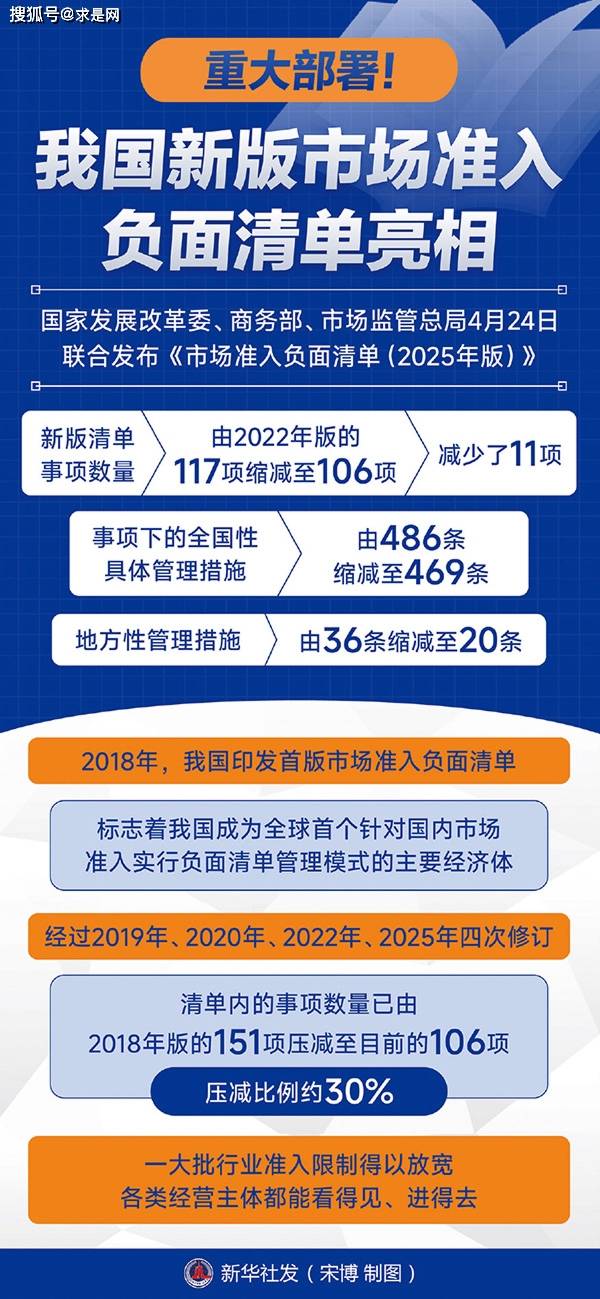
Core Viewpoint - The construction of a unified national market is a significant strategic resource for China's economic development and international competition, requiring continuous enhancement and utilization of this advantage [1][2]. Group 1: Strategic Requirements - The "Five Unifications and One Opening" basic requirements include unifying market foundational systems, infrastructure, government behavior standards, market regulation enforcement, and resource markets, while continuously expanding internal and external openness [2][3]. - The "Six Focus Areas" for key tasks emphasize addressing issues such as chaotic low-price competition among enterprises, government procurement irregularities, local investment attraction anomalies, and promoting integrated development of domestic and foreign trade [2][3]. Group 2: Market Efficiency and Government Role - The essence of building a unified national market is to facilitate the efficient allocation and flow of resources across a broader scope, enhancing the market's decisive role in resource allocation [3][6]. - Government intervention is necessary to address market failures and ensure fair competition, requiring a balance between effective market operation and proactive government involvement [3][7]. Group 3: Market Access and Infrastructure - Implementing a unified market access system and strictly adhering to a "national single list" management model is crucial for establishing foundational market systems [6][8]. - The total social logistics volume in China is expected to reach 380 trillion yuan, reflecting an 80 trillion yuan increase over five years, which significantly promotes the flow of goods and resources [6]. Group 4: Central-Local Relations - Properly managing the relationship between central and local governments is key to building a unified national market, requiring a balance between centralized leadership and local initiative [10][11]. - Local competition has historically driven economic growth but has also led to local protectionism and market fragmentation, which must be addressed to maintain fair competition [10][11]. Group 5: Domestic and International Market Integration - A strong domestic market supports global competitiveness and is essential for high-level external openness, with domestic consumption expected to reach 48.8 trillion yuan in 2024 [14][15]. - The integration of domestic and foreign trade is vital for enhancing market efficiency and resilience, especially in the face of increasing external pressures [17][18]. Group 6: Current Tasks and Long-term Goals - The construction of a unified national market is a systematic project that requires aligning current key tasks with long-term goals, emphasizing the need for ongoing breakthroughs in key areas [19][20]. - Addressing issues such as chaotic competition and misaligned performance incentives is crucial for the successful implementation of the unified market strategy [21][22].

市政协召开十四届十四次常委会议
Guang Zhou Ri Bao· 2025-07-18 01:38
Group 1 - The meeting focused on accelerating the development of cross-border e-commerce and promoting the construction of Guangzhou as an international trade center [1] - The Guangzhou Municipal Government provided updates on the progress of cross-border e-commerce initiatives and the development of the western high-quality growth zone [1] - The meeting resulted in the approval of the special advisory report on accelerating cross-border e-commerce development and the western high-quality growth zone during the 14th Five-Year Plan [1] Group 2 - The chairman emphasized the importance of adapting to new domestic and international circumstances and encouraged innovative thinking to support Guangzhou's economic development during the 14th Five-Year Plan [2] - The chairman highlighted the need to balance the roles of an effective market and a proactive government, providing direction for the effective functioning of both [2] - The meeting called for leveraging technological innovation to create new momentum and advantages for Guangzhou's economic growth, revitalizing the "old city" [2]
习近平:经济工作必须统筹好几对重要关系 | 宏观经济
清华金融评论· 2025-02-28 10:40
Core Viewpoint - The article emphasizes the importance of balancing several key relationships in economic work to ensure stable and high-quality development amidst external pressures and internal challenges [3][5]. Group 1: Economic Performance and Challenges - 2024 is a critical year for achieving the goals of the "14th Five-Year Plan," with the economy showing overall stability and progress despite facing increased external pressures and internal difficulties [3]. - The economic performance over the past year has been notable, with a good start in Q1, followed by increased downward pressure in Q2 and Q3, but a recovery was observed after the implementation of a package of policies on September 26 [4]. - Key achievements include steady development of new productive forces in sectors like integrated circuits, artificial intelligence, and quantum technology, as well as ongoing reforms and deepening of opening-up policies [4]. Group 2: Key Relationships in Economic Work - It is essential to balance the relationship between an effective market and a proactive government, ensuring a well-regulated economic order while allowing market forces to play a decisive role in resource allocation [6]. - The relationship between total supply and total demand must be coordinated to facilitate a smooth national economic cycle, with a focus on expanding domestic demand as a strategic move for economic stability [6]. - There is a need to cultivate new driving forces while upgrading traditional industries, leveraging technological innovation to enhance competitiveness and economic vitality [7]. - Improving resource allocation efficiency requires a balance between optimizing new resources and revitalizing existing ones, including managing both assets and liabilities effectively [8]. - The relationship between quality enhancement and total volume expansion is crucial, as China aims to leverage its large economic scale to foster high-quality development while addressing imbalances in income and development [8].