本币升值

Search documents
央行基准利率调整对汇率的影响是什么
Jin Tou Wang· 2026-01-06 03:25
资本流动渠道:利率是资本的"价格",当一国上调基准利率,会提升本币资产的吸引力,吸引国际资本 流入以获取更高收益,增加本币需求,推动本币升值;反之,下调利率会降低本币资产收益,导致资本 外流,本币需求减少,引发本币贬值。 经常账户渠道:利率上调会收紧国内信贷,抑制消费与投资,国内产能收缩导致进口减少,同时内需回 落可能推动出口增加,形成经常账户顺差,外汇供过于求,进一步强化本币升值;利率下调则刺激内需 扩张,进口增加且出口竞争力减弱,经常账户顺差收窄甚至逆差,外汇供不应求,加剧本币贬值。 需注意,实际影响还受政策预期、两国利率差异、经济基本面等因素制约。以当前美元兑加元为例,美 联储持续降息(利率区间3.50%-3.75%)而加拿大央行接近停止降息(利率2.25%),美加利差趋于收敛,限 制了美元兑加元的单边波动,这正是利率调整影响汇率的典型体现。 央行基准利率调整主要通过资本流动与经常账户两大核心逻辑影响汇率,核心规律为:基准利率上调通 常推动本币升值,下调则大概率导致本币贬值,具体影响路径如下: ...
全球银行股的“上涨逻辑”:民粹主义、财政宽松、本币升值
Hua Er Jie Jian Wen· 2025-07-24 07:05
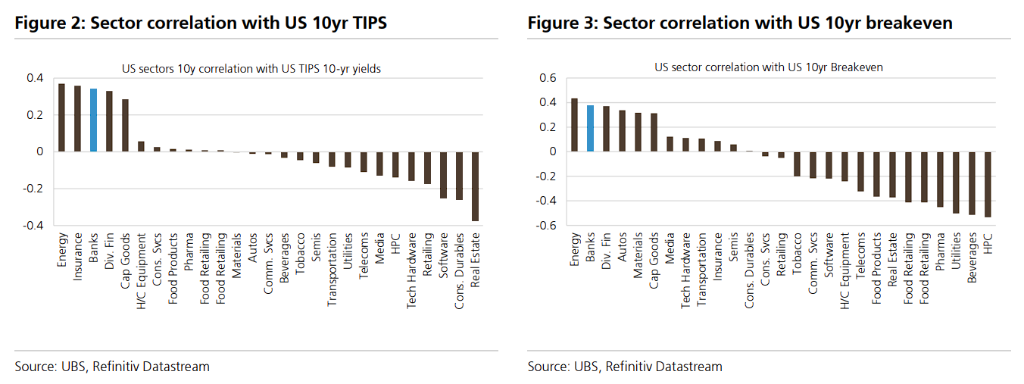
Core Viewpoint - UBS highlights multiple favorable factors driving global bank stocks, including populism, fiscal easing, currency appreciation, structural improvements, and attractive valuations [1][2]. Macro Factors - The rise of populism is leading to concerns over fiscal easing, which is pushing up bond yields, benefiting bank stocks as they are highly localized and gain from currency appreciation in regions like Europe and Japan [1][3]. - UBS maintains a bearish outlook on the US dollar, predicting a 1% rate cut by the end of the year, which will strengthen the euro and yen, directly enhancing the asset value and profitability of local banks [7][11]. Structural Improvements and Valuation - The banking sector has significantly improved its risk resilience post-financial crisis, with reduced litigation risks and manageable fintech disruption [2][26]. - Current bank stock valuations are attractive, reflecting excessive market concerns about an economic slowdown, with forward P/E ratios in Europe and the US showing about a 10% discount to historical norms [16][20]. Credit Growth and Economic Recovery - A turning point in private sector credit growth is evident, particularly in Europe, where demand for corporate loans is increasing, signaling a new upward cycle for banks' core lending business [11][15]. Indicators Supporting Bank Stock Allocation - UBS identifies several indicators supporting bank stock allocation, including moderate crowding and strong earnings revisions, with bank stocks ranking favorably in terms of earnings adjustments [36][41]. - The macro model indicates potential upside for bank stocks, particularly in Europe and Japan, where interest rates are nearing the end of a tightening cycle and will benefit from currency appreciation [41].