机器人产业转型

Search documents
智能机器人向各行各业“突围” 技术“温度”赋能美好生活催生数千亿及大市场
Yang Shi Wang· 2025-12-10 03:06
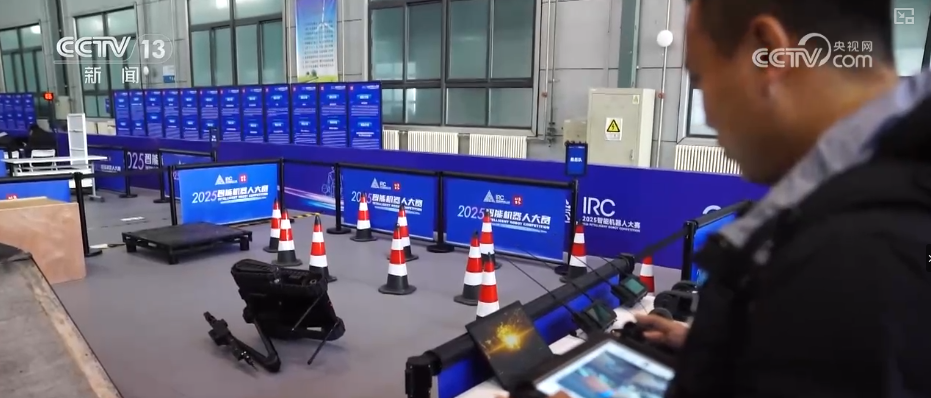
Core Insights - The 2025 Intelligent Robot Competition showcased advancements in emergency rescue, rehabilitation, and innovation, highlighting breakthroughs in technology autonomy, scene diversity, and human-centered services [1][11]. Emergency Rescue Robots - Emergency robots are evolving from tools to partners, capable of operating independently in extreme scenarios where human presence is risky [9]. - Robots demonstrated self-rescue capabilities during tasks, such as a bomb disposal robot that could right itself after tipping over, ensuring continued operation and minimizing risk to human operators [3][9]. - These robots utilize multi-dimensional perception systems to actively identify risks and hazards, serving as remote sensors in dangerous environments [5][7]. Rehabilitation and Elderly Care Robots - The competition featured a dedicated track for rehabilitation and elderly care robots, focusing on understanding and caring rather than just strength and speed [12]. - Innovations include exoskeleton robots equipped with brainwave receivers that predict user movements, enhancing rehabilitation outcomes through active collaboration [14][16]. - Robots are designed to assist the elderly in daily tasks, promoting autonomy and dignity, with applications in household chores and interaction [18][20]. - Despite advancements, challenges remain in the widespread adoption of rehabilitation robots due to high costs and the need for user-friendly interfaces [22]. Innovation in Robotics - The competition highlighted the expansion of robotic applications beyond traditional settings, with robots now operating in diverse environments such as deep sea and high altitudes [25]. - Innovative robots demonstrated capabilities in high-risk tasks, such as maintenance of wind turbines and power line de-icing, showcasing their potential to enhance safety and efficiency [27][30][31]. - The robotics industry is experiencing significant growth, with projections indicating that the market could double by 2030, particularly in the safety and emergency sectors [11][24][32].