机器人技术创新

Search documents
苏州灵猴机器人获超亿元融资!机器人ETF (562500)尾盘回升
Mei Ri Jing Ji Xin Wen· 2026-02-04 07:08
Group 1 - The Robot ETF (562500) is currently experiencing a low-level consolidation, with a recent price of 1.064 yuan, down 0.840% from the opening price, but the decline has narrowed during the day [1] - Among the 66 constituent stocks tracked by the ETF, 46 have declined, but the overall decline is moderate, with no significant drop dragging down the index. Notable declines include Ruishun Technology, Lide Harmony, and Kuaike Intelligent, each down over 3%, while Keri Technology rose over 5% [1] - The trading volume of the Robot ETF reached 866 million yuan, with a turnover rate of 3.50%, indicating moderate trading activity [1] Group 2 - The Robot ETF (562500) is the only robot-themed ETF in the market with a scale exceeding 20 billion yuan, covering various segments such as humanoid robots, industrial robots, and service robots, allowing investors to easily access the entire robot industry chain [2] - Following the adjustment of constituent stocks, the humanoid robot content in the index tracked by the Robot ETF has increased to nearly 70%, successfully removing underperforming stocks and including quality stocks that have performed well, achieving a "retain the strong, remove the weak" strategy [2]

新华视点|创新驱动 场景赋能 福州机器人产业加速升级
Xin Hua Wang· 2026-01-10 06:37
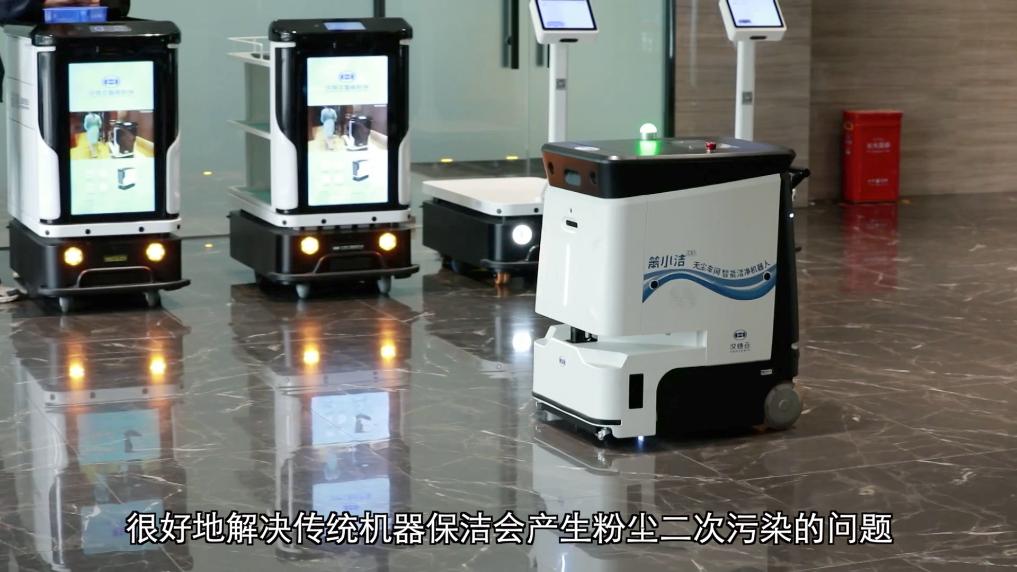
Core Insights - The Fuzhou robotics industry is experiencing accelerated growth, leveraging local industrial foundations and comparative advantages, with continuous innovation in niche areas [1] - The establishment of the Fujian Intelligent Robotics Industry Alliance aims to promote high-quality development through collaboration among over 60 key manufacturing enterprises, educational institutions, and financial organizations [8] Group 1: Technological Innovations - Fujian Hante Cloud Intelligent Technology Co., Ltd. has developed the C61 intelligent cleaning robot, featuring autonomous cleaning capabilities and a "robot space station" operational model [1] - The "Mujilang 6" robot at Fuzhou Guangyang Egg Industry utilizes image and voice recognition technologies to monitor the health and egg production of 50,000 hens, enhancing efficiency in poultry management [3] - The Fuzhou University Affiliated Provincial Hospital successfully performed a remote surgery using a 5G-enabled robotic system, showcasing advancements in telemedicine [5] Group 2: Industrial Applications - The "Rongxiaodi" intelligent luggage handling robot at Fuzhou Changle International Airport provides efficient services for travelers, including luggage delivery and inquiries [6] - Fuzhou's manufacturing sector is increasingly adopting industrial robots, with automated production lines significantly improving efficiency and reducing labor intensity in electric vehicle battery assembly [6] Group 3: Talent Development - The demand for skilled personnel in the robotics sector is rising, prompting collaborations between the industry and vocational schools to address talent shortages [10] - Fujian Hante Cloud Intelligent Technology Co., Ltd. has partnered with Fujian Technician College to establish a training base focused on practical, project-based learning to align talent supply with industry needs [10] Group 4: Ecosystem Development - Fuzhou is fostering a vibrant innovation ecosystem by integrating technology breakthroughs with application scenarios, supported by favorable policies and market dynamics [12] - The establishment of a training base equipped with advanced IoT teaching systems aims to enhance practical skills in various robotic applications, including smart delivery and environmental purification [12]

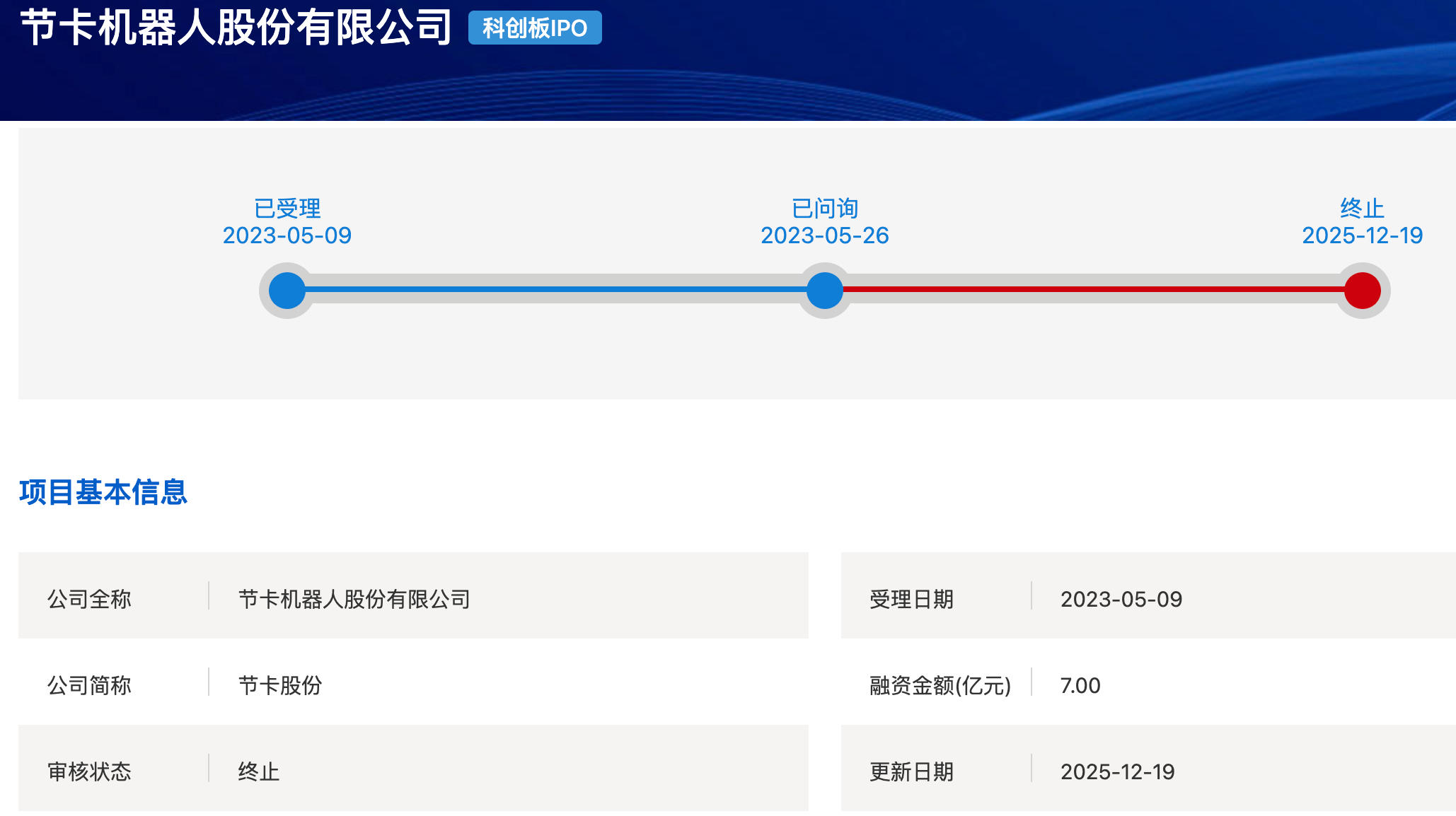
节卡股份撤回科创板IPO 原计划募资近7亿元
Zheng Quan Shi Bao Wang· 2025-12-19 10:24
Core Viewpoint - Jieke Robotics has withdrawn its IPO application after the Shanghai Stock Exchange announced the termination of its listing review process due to the company's decision to retract its issuance application [1]. Company Overview - Jieke Robotics specializes in the research, development, production, and sales of collaborative robot systems, including integrated equipment and automation production lines [3][4]. - The company has established a comprehensive technical system around core components and applications of collaborative robots, achieving significant technological advantages [4]. - Jieke's collaborative robots are characterized by safety, flexibility, and remote interaction, meeting diverse application scenarios across various industries, including automotive, electronics, precision machining, and healthcare [3][4]. Market Position - As of December 31, 2024, Jieke Robotics holds 53 authorized invention patents, 132 utility model patents, and 67 software copyrights, reflecting its commitment to technological innovation [4]. - In 2023, Jieke sold 4,681 collaborative robots, capturing approximately 8.2% of the global market share, positioning it among the leading companies in the industry [4]. - The global market for collaborative robots includes major players such as Denmark's Universal Robots and South Korea's Doosan, with Jieke being a key domestic competitor [4]. IPO Journey - Jieke Robotics' IPO application was accepted in May 2023, with plans to raise nearly 700 million yuan for smart robot production and research center projects [4]. - The company was scheduled for a listing review meeting on August 8, 2023, but the meeting was canceled due to the need for further verification of related matters [5].
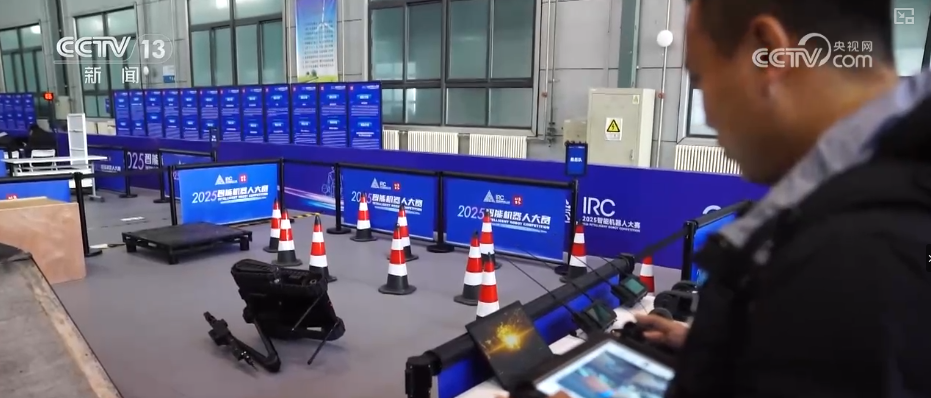
智能机器人向各行各业“突围” 技术“温度”赋能美好生活催生数千亿及大市场
Yang Shi Wang· 2025-12-10 03:06
Core Insights - The 2025 Intelligent Robot Competition showcased advancements in emergency rescue, rehabilitation, and innovation, highlighting breakthroughs in technology autonomy, scene diversity, and human-centered services [1][11]. Emergency Rescue Robots - Emergency robots are evolving from tools to partners, capable of operating independently in extreme scenarios where human presence is risky [9]. - Robots demonstrated self-rescue capabilities during tasks, such as a bomb disposal robot that could right itself after tipping over, ensuring continued operation and minimizing risk to human operators [3][9]. - These robots utilize multi-dimensional perception systems to actively identify risks and hazards, serving as remote sensors in dangerous environments [5][7]. Rehabilitation and Elderly Care Robots - The competition featured a dedicated track for rehabilitation and elderly care robots, focusing on understanding and caring rather than just strength and speed [12]. - Innovations include exoskeleton robots equipped with brainwave receivers that predict user movements, enhancing rehabilitation outcomes through active collaboration [14][16]. - Robots are designed to assist the elderly in daily tasks, promoting autonomy and dignity, with applications in household chores and interaction [18][20]. - Despite advancements, challenges remain in the widespread adoption of rehabilitation robots due to high costs and the need for user-friendly interfaces [22]. Innovation in Robotics - The competition highlighted the expansion of robotic applications beyond traditional settings, with robots now operating in diverse environments such as deep sea and high altitudes [25]. - Innovative robots demonstrated capabilities in high-risk tasks, such as maintenance of wind turbines and power line de-icing, showcasing their potential to enhance safety and efficiency [27][30][31]. - The robotics industry is experiencing significant growth, with projections indicating that the market could double by 2030, particularly in the safety and emergency sectors [11][24][32].
深圳举办保姆机器人展演,国内现存相关企业超880家
Huan Qiu Wang· 2025-12-03 04:27
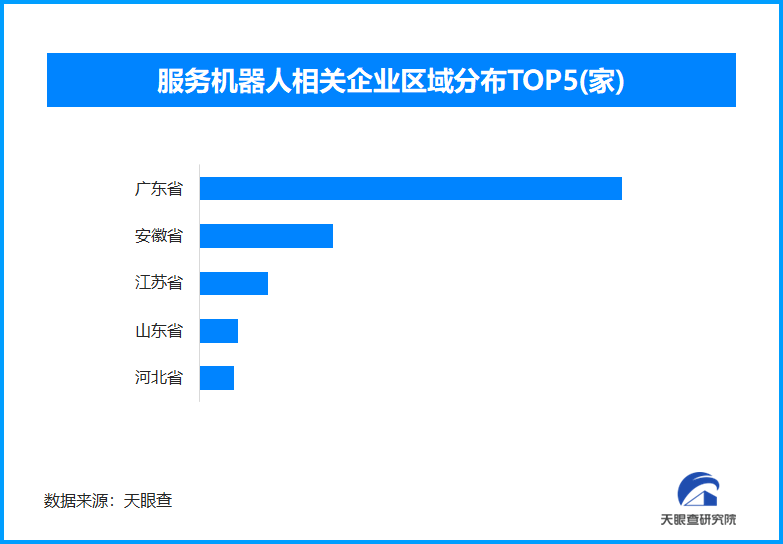
Core Insights - The "Smart Future - Care Robot Conference" was held in Shenzhen, showcasing the technological capabilities and innovative ecosystem of care robots in urban governance [1] - Multiple companies presented their latest products, focusing on the next generation of care robots for community service scenarios [1] - The competition segment featured over 40 teams competing in 115 matches across more than 40 daily operational scenarios [1] - The application segment demonstrated the collaborative working capabilities of robots in complex community environments, providing citizens with a direct experience [1] Industry Overview - As of now, there are over 880 service robot-related companies in operation in China [1] - Guangdong Province leads in the number of service robot companies, with over 400 firms, accounting for 45.7% of the national total [1] - Anhui and Jiangsu Provinces follow in terms of the number of service robot-related enterprises [1]
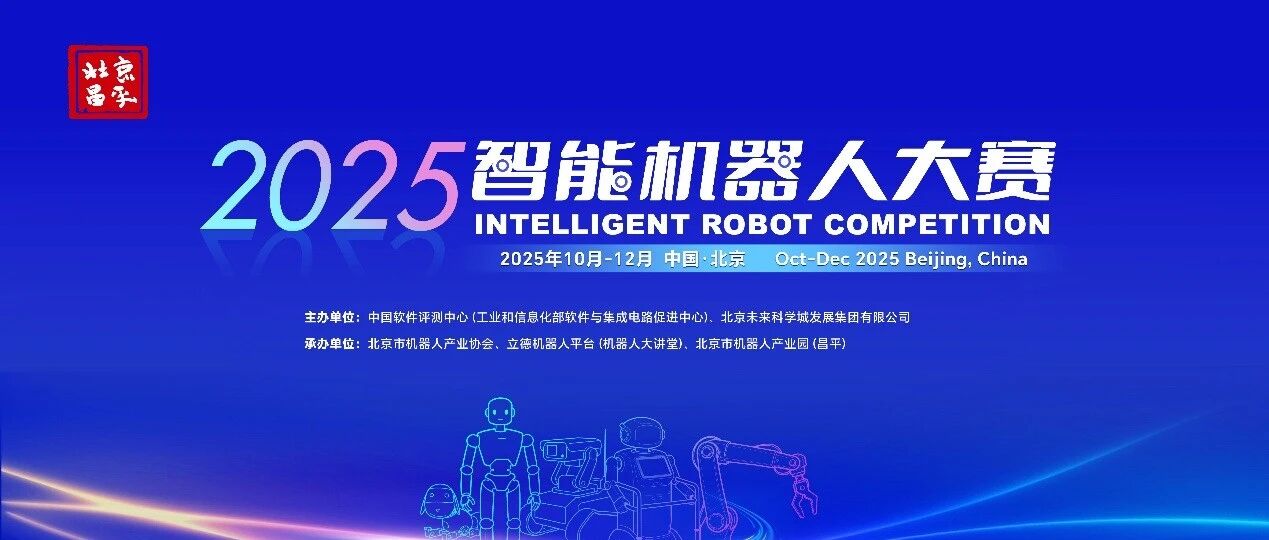
2025智能机器人大赛创新赛道持续招募!自主场景凸显机器人硬核优势!
机器人大讲堂· 2025-11-19 12:00
Core Insights - The global robotics industry is entering a new era characterized by "innovation defining the future and technology subverting imagination," with a focus on breakthroughs in humanoid robots, flying robots, and bionic robots [1] - The 2025 Intelligent Robotics Innovation Track emphasizes innovative breakthroughs in robotics technology, encouraging original exploration in areas such as humanoid robots, artificial intelligence, new materials, and high-precision sensing [1][3] - The competition introduces a unique "self-built scene" model, allowing teams to showcase their products' core advantages in tailored environments [1][3] Innovation Focus - The competition breaks the limitations of robot forms, covering various innovative models like insects, birds, fish, and beasts, granting teams the right to design their own scenes based on product characteristics [3] - Teams can create scenarios for humanoid robots in industrial assembly, home services, and public services, highlighting their advantages in human-like operations and scene adaptability [3] - Flying robots can simulate low-altitude inspections and emergency rescues, demonstrating precision and collaborative capabilities in complex environments [3] - Bionic and special robots can operate in extreme conditions, showcasing their adaptability and operational strength in challenging terrains [3] Selection Process - The competition employs a two-stage selection mechanism: preliminary and final rounds, ensuring the selection of projects with both technical depth and practical value [5] - The preliminary round includes "on-site defense and product demonstration," evaluated on innovation, practicality, and market potential [5] - The final round features a high-fidelity simulation environment to test robots' adaptability, stability, and operational precision in real-world scenarios [5] Value Empowerment - The competition offers substantial rewards and comprehensive industry support to help quality projects transition from competition to implementation [6] - Cash prizes include 30,000 yuan for first place, 20,000 yuan for second, and 10,000 yuan for third, along with additional awards for other top teams [6] - Outstanding teams may be recommended for the World Humanoid Robot Games, expanding their international exposure and industry resources [6] - Quality projects will be included in the "Robot Enterprise Reserve Project Library," facilitating connections with industry resources for technology transfer and market promotion [6] Local Support Policies - Projects that establish in Changping District can receive up to 30% support for fixed asset investments, capped at 100 million yuan [7] - Robot companies registered in Changping that achieve significant revenue milestones can receive one-time financial support ranging from 300,000 to 5 million yuan [8] - Support for key technology innovations includes funding for collaborative projects on core technologies, with a maximum support of 500,000 yuan [9]
港仔机器人:香港仔机器人中国公司及达闼已签订技术许可协议
Zhi Tong Cai Jing· 2025-09-22 12:16
Core Viewpoint - The company has signed a technology licensing agreement with Datar, allowing its subsidiary in Greater China to utilize approximately 1,780 patents and 110 software copyrights, which are crucial for the development of humanoid robots in various applications [1] Group 1: Technology Licensing Agreement - The agreement grants exclusive rights to use humanoid robot operating systems and cloud brain platform-related IP, as well as non-exclusive rights to humanoid robot smart joint technology and other core hardware technologies [1] - The licensing of intellectual property (IP) is essential for the company's strategic plan to develop and maintain its own humanoid robots [1] Group 2: Strategic Goals - The company aims to leverage the licensed IP to accelerate development, enhance functionality and reliability of humanoid robots, and shorten time to market [1] - The strategic focus includes applications in education, healthcare, elderly care, property management, and other real-life applications, aligning with the goal of being at the forefront of technological innovation in the robotics sector [1]
机器人运动会展现出多重价值
Zheng Quan Ri Bao· 2025-08-17 16:20
Group 1 - The 2025 World Humanoid Robot Games showcased 280 robot teams competing in various activities, highlighting advancements in technology and innovation in robotics [1][2] - The event served as a testing ground for core technologies in robot motion control and environmental perception, allowing companies and research teams to rapidly iterate and apply advanced technologies in real-world scenarios [1][2] - The competition attracted manufacturers, suppliers, and research institutions, fostering collaboration and discussions on optimizing technology development within the robotics industry [2] Group 2 - The event provided a platform for startups to gain visibility and understand market demands, exemplified by the small robot "Xiao Pai" from Gaoqing Electromechanical, which aims to penetrate the household market [2] - High exposure from the competition allows companies like Yushutech to gain recognition for their products, facilitating entry into consumer and industrial markets [2] - The captivating performances of robots at the event sparked interest among young people, encouraging more students to pursue studies and careers in robotics, thus attracting talent to the industry [2][3]
经济聚焦·中国品牌圈粉海外丨国产机器人出海“闯”市场
Ren Min Ri Bao· 2025-08-13 02:17
Group 1 - The core viewpoint of the articles highlights the increasing adoption of service robots in Japan, particularly from Chinese companies like Qinglang Intelligent Technology, to address labor shortages due to high human costs and an aging population [1][3] - Qinglang Intelligent has adapted its robot designs to better fit Japanese market needs, including smaller sizes and localized features such as Japanese language support and customizable expressions [2][3] - The company has established over 200 technical support points in Japan to ensure rapid response and maintenance, demonstrating a commitment to customer service and operational efficiency [2][3] Group 2 - The cost-effectiveness of robots is emphasized, with the statement that employing a robot costs about one-third of hiring a human worker, while also providing consistent efficiency year-round [3] - The export scale of robots is expanding, with many large restaurant chains and other venues in Japan utilizing Qinglang's products, indicating a growing market presence [3][4] - Another company, Muxing Robotics, is also gaining traction in Japan with logistics robots, showcasing the broader trend of Chinese manufacturing transitioning to high-quality, technology-driven solutions in the robotics sector [3][4]
特写:那达慕上“跑”来个机器人
Zhong Guo Xin Wen Wang· 2025-08-12 11:03
Group 1 - The event showcased a 1.4-meter tall robot that participated in the 2025 Ordos Warm City Nadam Festival, highlighting the integration of technology in traditional cultural events [1][3] - The robot's performance included running 100 meters before slowing down and standing still, although it did not achieve a natural running rhythm [3][4] - The Nadam Festival, meaning "entertainment and games" in Mongolian, is an annual event where herders celebrate the abundance of livestock, and this year's festival incorporated high-tech elements through the robot's presence [3][5] Group 2 - The robot underwent 15 rounds of rehearsals since April, with improvements noted in its stability and performance over time, receiving a high score of 95 from the event's director [3][5] - There is a focus on advancing robot technology in various practical applications across China, with robots being tested in complex outdoor environments to enhance their agility and responsiveness [4] - Future plans include further technical adjustments to the robot, with aspirations for it to represent athletes in competitions at next year's Nadam Festival, indicating a blend of traditional culture and modern technology [5]