权威偏见

Search documents
让聪明人保持沉默的隐性偏见
3 6 Ke· 2026-02-19 00:03
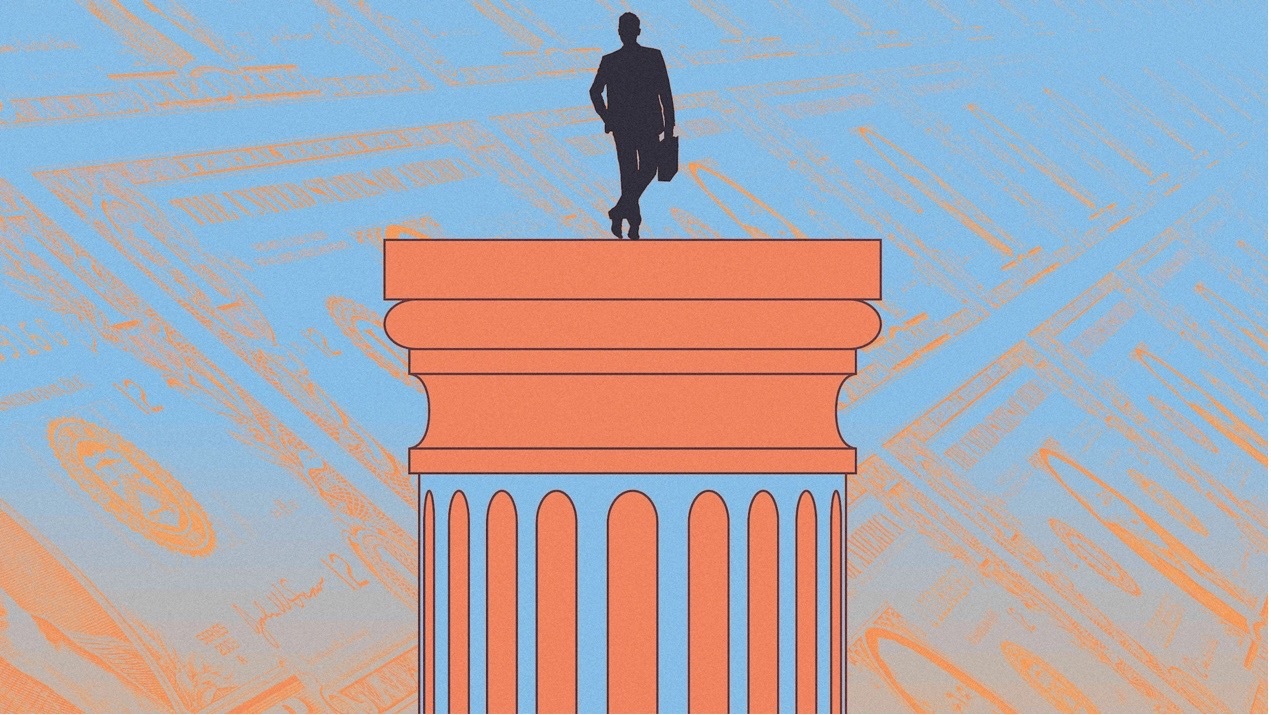
Core Insights - The article discusses the detrimental effects of authority bias in organizations, which stifles innovation and discourages employees from voicing their opinions [4][6] - It emphasizes the importance of creating an environment where all team members feel equal and empowered to contribute, thereby fostering a culture of open communication and collaboration [9] Group 1: Authority Bias and Its Consequences - Authority bias leads individuals to uncritically accept the views of those in higher positions, which can result in organizational failures and ethical issues [4] - Examples of authority bias include the cases of Theranos and Uber, where the deification of leaders led to disastrous outcomes [4] - The article highlights the need for leaders to recognize their own authority bias to break down barriers and encourage equal participation [4][5] Group 2: Strategies for Encouraging Participation - To ignite curiosity, leaders should ask open-ended questions that invite team members to share their insights, rather than positioning themselves as the sole experts [6][7] - Leaders should shift from being seen as experts to facilitators, allowing team members to take ownership of discussions and decisions [7] - Balancing interpersonal connections is crucial; leaders must engage with their teams on equal footing to foster honest feedback and innovation [8] Group 3: Vision and Future Collaboration - Effective leaders view their teams as partners in creating the future, rather than mere executors of their vision [9] - By focusing on collective goals rather than rigid plans, leaders can encourage contributions from all team members, preventing stagnation and promoting a dynamic culture [9] - The article concludes that dismantling the pedestal effect is essential for creating a safe space where new voices can emerge and be heard [9]