柯柯牙精神

Search documents
三代坚守,柯柯牙如何让荒漠变“金山”?
Zhong Guo Xin Wen Wang· 2025-10-15 12:27
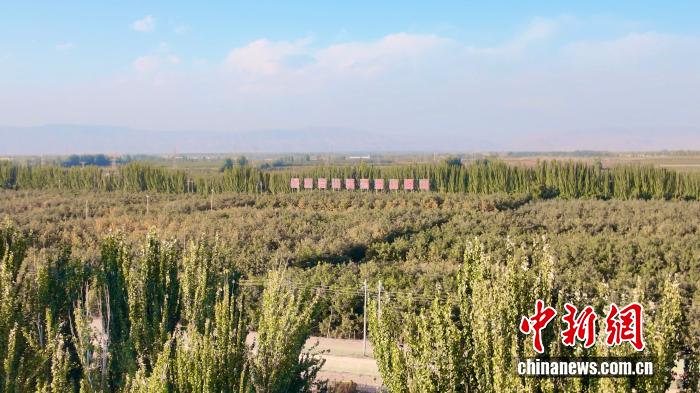
Core Insights - The article highlights the transformation of the Keke Ya area from a desert to a green oasis through the efforts of multiple generations dedicated to afforestation and environmental protection [1][2][3] Group 1: Historical Context - The Keke Ya desert greening project began in 1986, initiated due to a survival crisis where the desert was only 6 kilometers from the city, advancing at a rate of 5 meters per year [6] - The first station head of the Keke Ya project, Imam Maimaiti, faced extreme soil salinity levels of 9.87%, significantly above the 1% threshold required for afforestation [6] - By 1987, the survival rate of tree seedlings reached 87.5% in spring and 98% in autumn, showcasing the success of the initial efforts [6] Group 2: Current Achievements - The Keke Ya project has led to the establishment of five million acres of desert greening projects, effectively enveloping the Aksu region in greenery [9] - Aksu's 4.5 million acres of specialty fruit trees account for one-quarter of Xinjiang's total fruit area, with projected fruit production reaching 3 million tons by 2025, generating a total output value of 20 billion yuan [11] - The ecological improvements have resulted in increased annual rainfall from 60 mm to 120 mm, a reduction in sandstorm days from over 100 to around 30, and an increase in forest coverage from 3.35% to 9.04% [11] Group 3: Socioeconomic Impact - The local economy has benefited significantly, with residents seeing income from fruit orchards increase by over 60%, allowing many to purchase homes in urban areas [8] - The integration of ecological and economic forestry has proven effective, demonstrating that sustained efforts across generations can restore ecosystems and enhance livelihoods [13]

不止于环塔,他们爱上新疆的每一“面”
Xin Hua Wang· 2025-05-29 01:12
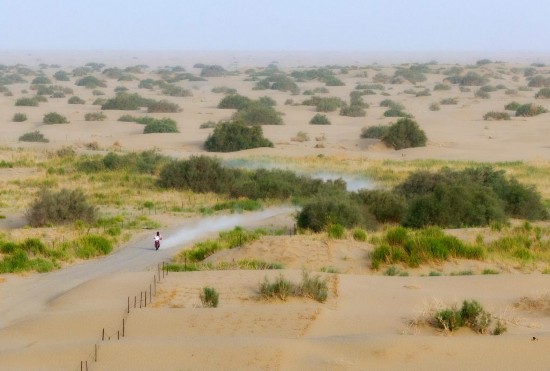
Core Viewpoint - The 2025 China Rally of the Silk Road showcases not only the thrilling competition but also the diverse and vibrant culture of Xinjiang, attracting foreign drivers and tourists to experience its unique landscapes and culinary delights [1]. Group 1: Event Highlights - The rally is characterized by its challenging terrain, with foreign drivers noting the technical demands of the course, particularly the unpredictable sand dunes and narrow paths [2]. - Participants express enjoyment of the stunning scenery along the race route, which serves as a motivating factor during the competition [5]. Group 2: Cultural Experience - Foreign drivers and tourists are captivated by Xinjiang's local cuisine, with specific dishes like "big plate chicken with noodles" gaining particular praise [5]. - The event provides an opportunity for international visitors to learn about Xinjiang's development and cultural history, with participants reflecting on the region's transformation and community spirit [5].