楼市涨跌

Search documents
楼市预期急转,房价彻底明牌了
Sou Hu Cai Jing· 2026-01-30 12:05
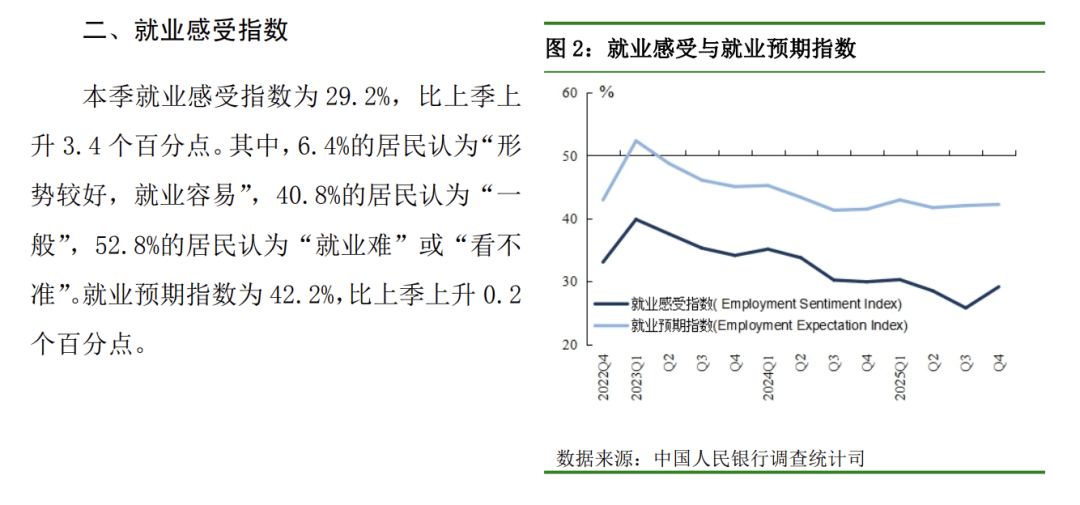
Core Viewpoint - The economic slowdown has created challenges for the middle class, primarily due to their reliance on future income, leading to potential negative cash flow and the need to liquidate assets for liquidity [1][2][3]. Group 1: Housing Market Dynamics - The marginal transaction prices of the housing market, influenced by a small percentage of transactions, can determine overall market value and price fluctuations [4]. - A decline in income for even a small segment of the population can trigger significant changes in housing prices due to forced asset sales [5]. - Resident income and future income expectations are identified as the core fundamentals driving the housing market [6][11]. Group 2: Economic Indicators - Corporate revenue growth is a necessary but not sufficient condition for rising resident income, indicating that corporate performance directly impacts household financial health [12]. - The observation of a positive revenue growth trend among the Shanghai and Shenzhen 300 and CSI 500 companies suggests a potential recovery in the housing market, with the first signs of revenue growth noted in Q3 2025 [13]. - The improvement in resident employment sentiment, as reported by the central bank, indicates a potential increase in hiring due to rising corporate revenues [15][16]. Group 3: Inflation and Economic Recovery - Signs of returning inflation are emerging, as indicated by rising perceptions of input and sales prices among entrepreneurs [21]. - The nominal GDP growth rate minus the real GDP growth rate shows a narrowing negative value, suggesting a potential exit from deflation [22][23]. - The current data indicates a possibility of economic recovery, but further confirmation is needed over the next two quarters to establish a definitive trend [23][28]. Group 4: Investment Perspective - The current data suggests a probability of housing market recovery, but certainty is lacking, necessitating further observation of upcoming data [23][30]. - The stock market may serve as a leading indicator for economic recovery, with its performance potentially reflecting broader economic trends [31].

从卖掉自住房,到租房近一年来的真实感受
Sou Hu Cai Jing· 2025-12-14 23:08
Core Viewpoint - The article discusses the trend of individuals selling their homes due to declining property values, highlighting the perceived financial freedom and flexibility that comes with renting instead of owning a home [1][4][6]. Group 1: Reasons for Selling Homes - Many individuals are selling their homes to avoid losses from declining property values, especially if they have high mortgage debts or are financially strained [4][6]. - Selling a home can provide significant cash reserves, allowing individuals to invest or spend on personal desires, such as travel [6][31]. Group 2: Renting Experience - The process of renting a new home is described as relatively easy, with a wide selection of available properties, allowing renters to choose based on their preferences [12][14]. - Renting can offer advantages such as better living conditions and less maintenance responsibility compared to owning a home [9][7]. Group 3: Concerns About Renting - There are concerns regarding the stability of renting, as tenants may face sudden eviction or the need to move if landlords decide to reclaim their properties [19][22]. - The perception of security associated with homeownership is still strong among many individuals, particularly older generations who value stability [22][24]. Group 4: Educational Considerations - Selling a home raises concerns about children's education, as homeownership is often linked to access to better schools [27]. - Some individuals believe that alternative educational options, such as private schools, can mitigate the need for homeownership for educational purposes [29]. Group 5: Future Property Value Concerns - There is a debate about the potential future appreciation of property values, with some believing that selling now could lead to losses if prices rise later [31]. - The article suggests that individuals can re-enter the market when prices are favorable, potentially benefiting from a low-entry, high-exit strategy [31].