欧盟对俄政策分歧

Search documents
硬刚欧盟!匈总理不顾反对,密访俄罗斯!德总理怒斥:未经授权
Sou Hu Cai Jing· 2025-12-04 07:20
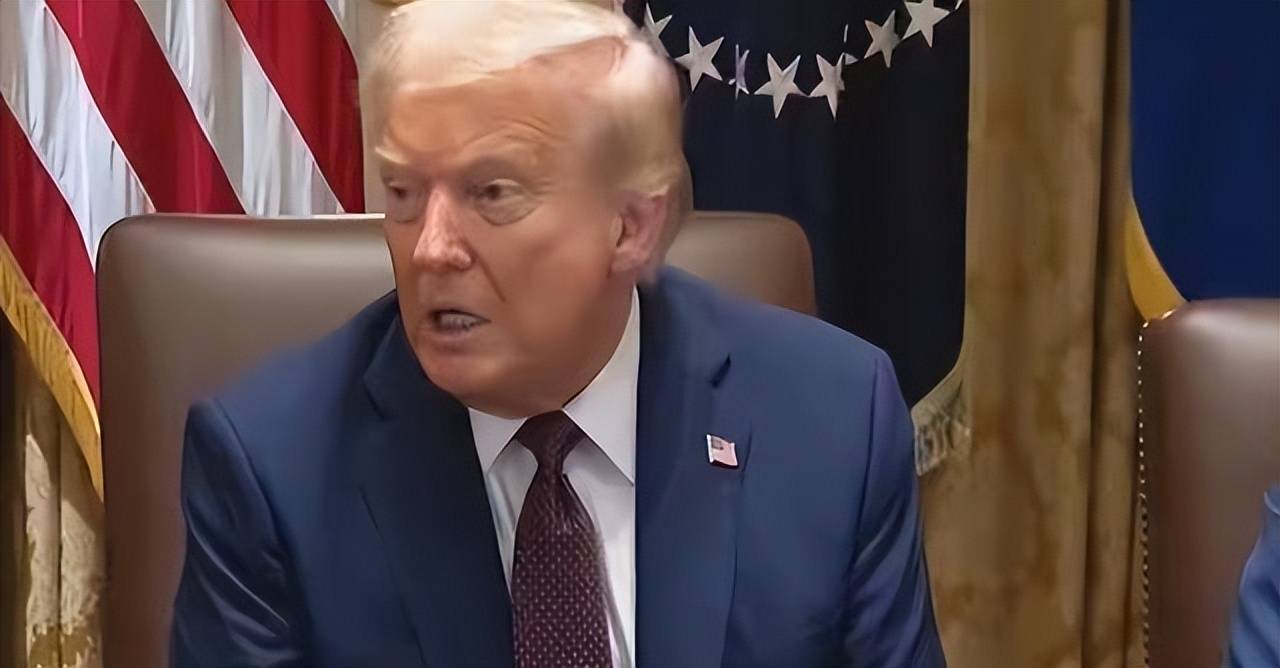
德国总理默茨最近公开表示,匈牙利总理欧尔班访问俄罗斯并未得到欧盟的授权,也没有与其他欧洲领 导人协商过。这番言论揭示了欧盟成员国在对俄政策上的深刻分歧。默茨特别指出,欧尔班与俄罗斯总 统普京的会晤完全是匈牙利的单独行动,并非欧盟共同决策的结果。 匈牙利总理欧尔班于11月28日飞往莫斯科,与普京进行了会谈。欧尔班在当地时间清晨4点到达布达佩 斯机场,随后前往莫斯科。这次会谈的重点是确保匈牙利的能源供应,欧尔班向普京强调,匈牙利目前 通过管道从俄罗斯获取天然气和石油,且由于俄罗斯能源的价格相对低廉,匈牙利的能源成本是欧洲最 低的。值得一提的是,这是欧尔班第14次以总理身份与普京会晤,在欧盟国家领导人中,欧尔班如此频 繁地与普京接触,彰显了匈牙利在对俄政策上的特殊立场。 欧尔班的莫斯科之行恰逢一个极为敏感的时刻。美国特朗普政府刚提出了关于乌克兰问题的和平计划, 而欧盟则在努力保持统一的对俄政策。此时,欧盟正面临战略转型,一份政策简报指出:欧洲人正在面 临长期与俄罗斯对抗的局面,而美国则通过压迫性的视角看待欧洲。在这种背景下,欧盟正在尝试制定 后美国大战略,这项战略以四大组织原则为基础:竞争力、军事准备、应急状态和伙 ...

欧洲快顶不住了,默克尔突然开炮:别怪我,要怪就怪波兰!
Sou Hu Cai Jing· 2025-10-12 03:41
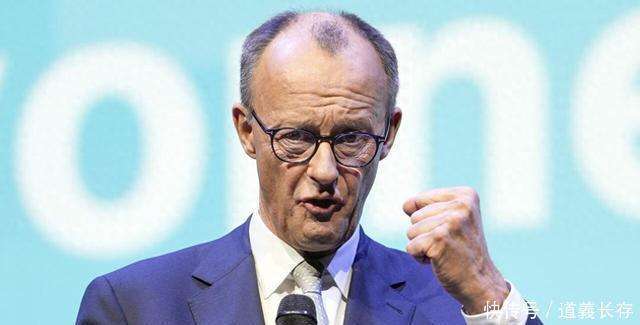
Core Viewpoint - The recent statements by former German Chancellor Angela Merkel regarding the EU's approach to Russia have sparked significant controversy, highlighting deep divisions within Europe over foreign policy and energy dependence [1][3][5]. Background - In June 2021, Merkel and French President Macron proposed a direct dialogue between the EU and Russia to address issues related to energy, security, and borders, amidst rising tensions due to Russian military buildup near Ukraine [1][3]. - The proposal was met with strong opposition from Poland and the Baltic states, who feared it would undermine a unified EU stance against Russia and jeopardize Eastern European security [3][5]. Reactions from Eastern European Countries - Poland's government criticized Merkel for shifting blame and emphasized its support for EU unity against Russian aggression, highlighting military aid provided to Ukraine since 2022 [5][7]. - The Baltic states expressed outrage, with officials stating that Merkel's comments were misguided and that Germany's energy policies, particularly the Nord Stream pipeline, exacerbated Europe's reliance on Russian energy [7][9]. Russian Response - Interestingly, the Kremlin supported Merkel's assertions, claiming that Eastern European countries hindered peace efforts and that internal EU divisions left Russia with no choice but to act [9]. Economic Implications - Since 2022, the EU has paid over €213 billion to Russia for energy, indirectly funding military actions, while sanctions imposed on Russia have led to significant economic repercussions for Europe, including soaring inflation rates [7][9].