欺诈经济

Search documents
惊呆!社交巨头被曝去年靠诈骗及违禁广告收入上千亿元,成全球“欺诈经济”重要支柱!美国证监会正在调查,公司回应:没那么多
新浪财经· 2025-11-09 08:13
Core Viewpoint - Recent internal documents from Meta reveal that approximately 10% of the company's total revenue for 2024, estimated at $16 billion (about 114 billion RMB), may come from fraudulent activities and prohibited product advertisements, raising significant concerns [2][8]. Group 1: Fraudulent Advertising Impact - Meta's platforms, including Facebook, Instagram, and WhatsApp, have reportedly exposed billions of users to fraudulent e-commerce and investment scams, illegal online gambling, and prohibited medical product promotions over the past three years [6]. - An internal document from December 2024 indicates that Meta's platforms display around 15 billion "high-risk" scam ads daily, generating approximately $7 billion (about 50 billion RMB) in annual revenue from these ads [6]. - The majority of fraudulent activities stem from suspicious operations by advertisers, which should trigger Meta's internal alert systems. However, the company only bans advertisers when the fraud probability exceeds 95% [6]. Group 2: Meta's Response and Regulatory Scrutiny - Meta's spokesperson, Andy Stone, claims that the estimate of 10.1% revenue from fraudulent ads is overly broad and includes many legitimate ads, asserting that the actual percentage is lower [8]. - The U.S. Securities and Exchange Commission (SEC) is investigating Meta regarding the publication of financial scam ads, with a report indicating that 54% of payment-related fraud losses in the UK in 2023 were linked to Meta products, more than double that of all other social platforms combined [9]. Group 3: Financial Performance and AI Investment - Meta reported a 26% year-over-year revenue growth in Q3 2025, reaching $51.24 billion, despite a significant 83% drop in net profit, leading to an 11.33% decline in stock price, the largest single-day drop in three years [11]. - The company plans to increase capital expenditures for AI infrastructure, with projections for 2025 set between $70 billion and $72 billion, up from previous estimates [12]. - Meta aims to raise up to $30 billion through the issuance of priority notes to support its AI and data center investments, attracting a record $125 billion in investor subscriptions [14].



惊呆!社交巨头Meta被曝去年靠诈骗及违禁广告收入上千亿元,成全球“欺诈经济”重要支柱!美国证监会正在调查!
美股IPO· 2025-11-09 01:11
Core Insights - Recent internal documents from Meta reveal that approximately 10% of the company's total revenue for 2024, equating to $16 billion (around 114 billion RMB), may stem from fraudulent activities and prohibited product advertisements [1][5] - Meta's spokesperson, Andy Stone, claims that the estimate of 10.1% is a "rough and overly inclusive estimate" and that the actual proportion is lower due to the inclusion of many legitimate ads [5][6] Group 1: Fraudulent Advertising Impact - Meta's platforms, including Facebook, Instagram, and WhatsApp, have exposed billions of users to fraudulent e-commerce and investment scams, illegal online gambling, and prohibited medical product promotions over the past three years [3][4] - An internal document from December 2024 indicates that Meta's platforms display approximately 15 billion "high-risk" scam ads daily, generating an annualized revenue of about $7 billion (around 50 billion RMB) from these ads [3][4] - The majority of fraudulent activities originate from suspicious actions by advertisers, which should trigger Meta's internal alert systems; however, the company only bans advertisers when the fraud probability exceeds 95% [3][4] Group 2: Regulatory Scrutiny and Company Response - The disclosure of these documents coincides with increased regulatory pressure on Meta to enhance user protection against online fraud, with the U.S. Securities and Exchange Commission investigating the company for financial scam advertisements [6] - A report from British regulators indicates that 54% of payment-related fraud losses in 2023 were associated with Meta products, a figure that is more than double that of all other social platforms combined [6] Group 3: Financial Performance and AI Investment - Meta reported a 26% year-over-year revenue growth in Q3 2025, reaching $51.24 billion, but experienced an 83% drop in net profit, leading to an 11.33% decline in stock price, marking the largest single-day drop in three years [8][10] - The company’s net profit fell to $2.71 billion, primarily due to a one-time non-cash income tax expense of $15.9 billion resulting from new U.S. tax laws [10] - Meta plans to increase capital expenditures for AI infrastructure, with projections for 2025 set between $70 billion and $72 billion, up from previous estimates [10][11] Group 4: AI Strategy and Funding - Meta's AI strategy focuses on developing next-generation general AI models through the Meta Super Intelligence Lab and launching AI hardware products like the popular Ray-Ban Meta smart glasses [11] - The company aims to raise up to $30 billion through the issuance of senior notes to support its AI and data center investments, attracting $125 billion in investor subscriptions, setting a record for public company bond issuance [11]
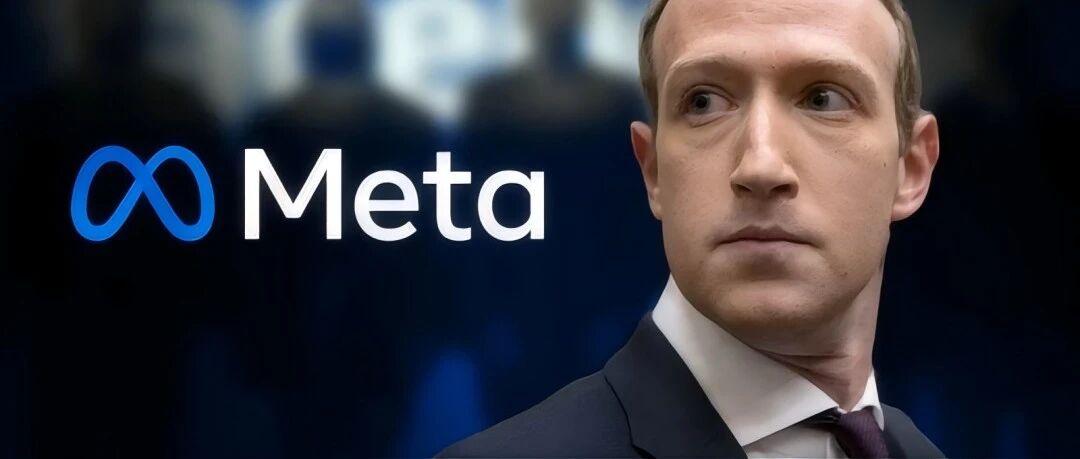
Meta被曝去年靠诈骗及违禁广告收入上千亿元,成全球“欺诈经济”重要支柱
Mei Ri Jing Ji Xin Wen· 2025-11-08 23:07
Core Insights - Recent internal documents from Meta reveal that approximately 10% of the company's projected annual revenue for 2024, amounting to $16 billion (approximately 114 billion RMB), may stem from fraudulent activities and prohibited product advertisements [1][5] - Meta's spokesperson, Andy Stone, claims that the figures presented in the documents are a "rough and overly inclusive estimate" [5] Group 1: Fraudulent Advertising Impact - Meta's platforms, including Facebook, Instagram, and WhatsApp, have exposed billions of users to fraudulent e-commerce and investment scams, illegal online gambling, and prohibited medical product promotions over the past three years [3][4] - A document from December 2024 indicates that Meta's platforms display around 15 billion "high-risk" scam ads daily, generating approximately $7 billion (about 50 billion RMB) in annual revenue from these ads [3][4] - The majority of fraudulent activities originate from suspicious actions by advertisers, which should trigger Meta's internal alert systems; however, ads are only banned if the fraud probability exceeds 95% [3] Group 2: Regulatory Scrutiny and Internal Assessments - Internal research suggests that Meta's products are a significant pillar of the global "fraud economy," with estimates indicating that one-third of U.S. fraud cases involve Meta platforms [4] - A report concluded that it is easier to run scam ads on Meta's platforms compared to Google, although the basis for this conclusion was not detailed [4][6] - The U.S. Securities and Exchange Commission is investigating Meta regarding the publication of financial scam ads, coinciding with increased regulatory pressure for the company to enhance user protection against online fraud [5][6] Group 3: Financial Performance and AI Investments - Meta reported a 26% year-over-year revenue growth for Q3 2025, reaching $51.24 billion, despite a significant 83% drop in net profit, leading to an 11.33% decline in stock price [7][9] - The company plans to increase capital expenditures for AI infrastructure, with projections for 2025 set between $70 billion and $72 billion, up from previous estimates [9][10] - Meta aims to raise up to $30 billion through the issuance of preferred notes to support its AI and data center investments, attracting a record $125 billion in investor subscriptions [10]
头部主播年入数十亿 起底天价收入构成 捞金不担责 引发行业信任危机
Xin Lang Cai Jing· 2025-08-21 08:54
Core Insights - The income of top livestreaming hosts has become a hot topic, with some earning billions, highlighting the disparity between their earnings and the average salary of ordinary workers [1][3] - The revenue structure of these hosts shows that commissions account for only 30% of their income, while the remaining 70% comes from methods like equity manipulation and high markups on self-owned brands [6] - The trust economy that livestreaming commerce is supposed to represent is being undermined by fraudulent practices, damaging consumer interests and the industry's credibility [9] Group 1 - Top hosts like Xinba have generated significant revenue through self-owned brands, with "Cotton Password" achieving cumulative sales of 3.33 billion yuan over eight years [6] - Recent controversies, such as the "Cotton Password" sanitary napkin incident involving carcinogenic substances, have led to consumer complaints and highlight the lack of quality oversight by hosts [6][7] - The livestreaming industry is facing rampant issues, including the sale of counterfeit goods and misleading pricing strategies, which are eroding consumer trust [10][13] Group 2 - The industry has seen a surge of individuals hoping to get rich quickly, leading to a proliferation of low-quality products being marketed deceptively [10] - Instances of fraud, such as selling fake jade and misrepresenting product materials, have been reported, further complicating the market landscape [10] - Experts emphasize that the prosperity of the livestreaming industry should not come at the expense of consumer rights, urging hosts to take social responsibility and for consumers to remain vigilant [13]