
正和博弈思维

Search documents
论争中的张维迎:一个古典自由主义者的自白|我们的四分之一世纪
经济观察报· 2025-12-27 05:04
Core Viewpoint - The past 25 years have been a significant learning process for understanding human nature, society, and the control of destiny [39] Group 1: Background and Context - In 2003, Zhang Weiying proposed a personnel reform plan at Peking University, which led to significant controversy and was perceived as a betrayal by some [8][9] - The year 2003 marked a pivotal moment in China's economic trajectory, coinciding with its entry into the WTO and a notable economic growth rate of 9.9% in the first quarter [11] - Zhang Weiying's early career included founding the China Center for Economic Research at Peking University, aiming to reform the education and research system in economics [12] Group 2: Reform and Controversy - The personnel reform plan aimed to eliminate nepotism and implement a "no promotion, no stay" policy, which sparked widespread debate and backlash [12][13] - Despite the criticism, Zhang Weiying believes the reform was successful in principle, as it laid the groundwork for future hiring standards at Peking University [14] - The reform process faced significant public scrutiny, leading to a perception of Zhang as a "traitor" within the university community [13] Group 3: Economic Debates and Perspectives - The "Lang-Gu" debate in 2004 highlighted the tensions surrounding state-owned enterprise reforms, with Zhang Weiying advocating for a nuanced understanding of economic reform [16][17] - Zhang Weiying emphasized the importance of individual contributions to economic growth, arguing that entrepreneurial spirit is crucial for progress [25] - The debate over economic paradigms continues, with Zhang Weiying and Lin Yifu representing differing views on the role of government intervention versus market forces [23][24] Group 4: Educational Initiatives and Philosophy - Zhang Weiying co-founded the Xinzhong Classroom to promote entrepreneurial spirit and humanistic values among students, emphasizing the importance of ideas and perspectives [28][31] - His academic work has consistently focused on the role of entrepreneurs in economic development, with a belief that understanding entrepreneurship is essential for societal progress [30][31] - Zhang Weiying's philosophy centers on the idea that human actions can shape the future, rejecting deterministic views of history and advocating for proactive engagement in societal change [36][39]

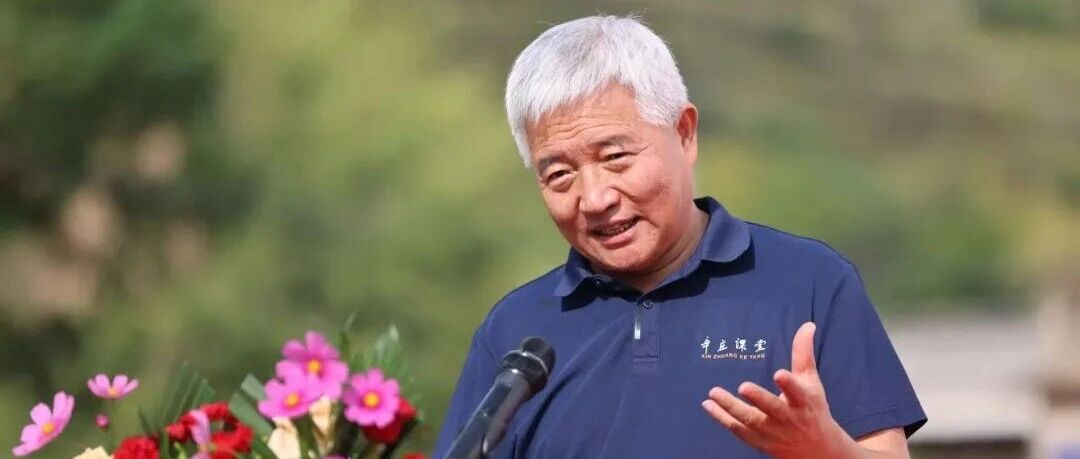
论争中的张维迎:一个古典自由主义者的自白 | 我们的四分之一世纪
Jing Ji Guan Cha Bao· 2025-12-26 11:11
Core Viewpoint - The article discusses the journey and thoughts of Zhang Weiying, a prominent figure in Chinese economics and education, reflecting on his experiences and the controversies surrounding his reform proposals at Peking University, emphasizing the importance of debate and differing perspectives in academia and society [1][2][3]. Group 1: Background and Early Career - In 2003, Zhang Weiying was involved in educational reforms at Peking University, coinciding with China's economic growth post-WTO accession, which sparked debates about the overheating economy [2]. - Zhang, who had a notable academic career since the 1980s, co-founded the China Center for Economic Research at Peking University, aiming to transform economic education and research in China [2][3]. Group 2: Reform Proposals and Controversy - Zhang proposed significant reforms in personnel management at Peking University, advocating for merit-based hiring and the elimination of nepotism, which led to widespread backlash and accusations of being a "traitor" to the university [3][4]. - The reform proposals were initially well-received but faced intense criticism, particularly after being publicized online, leading to a public debate about the role of market logic in education [4][5]. Group 3: Impact and Legacy - Despite the controversies, Zhang believes the reforms were successful in principle, as they laid the groundwork for future changes in hiring practices at Peking University [4][5]. - Zhang's experiences highlight the challenges of implementing reforms in a complex social and political environment, where public opinion can be polarized and influenced by emotional responses [7][8]. Group 4: Ongoing Debates and Perspectives - The article also touches on Zhang's participation in broader economic debates, including discussions on state-owned enterprise reforms and the role of government versus market forces in economic development [5][6]. - Zhang's views on entrepreneurship and the importance of individual creativity in driving economic progress are emphasized, contrasting with more interventionist economic policies [12][13]. Group 5: Educational Initiatives and Philosophy - Zhang co-founded the Xinzhong Classroom to promote entrepreneurial spirit and humanistic values among students, reflecting his commitment to education and societal improvement [14][16]. - His academic work has consistently focused on the role of entrepreneurs in economic growth, advocating for a deeper understanding of entrepreneurial spirit and its significance in society [15][16].