民族和解

Search documents
拉马福萨呼吁南非人民团结起来深化民族和解
Xin Hua She· 2025-12-17 06:12
Core Viewpoint - South African President Ramaphosa warns against forces spreading misinformation and divisive narratives, urging national unity and commitment to reconciliation and nation-building [1] Group 1 - Ramaphosa highlights that certain domestic and international forces are distorting South Africa's racial relations and democratic status, aiming to create a false image that spreads fear and hatred [1] - He calls on the South African people to reaffirm their commitment to unity, reconciliation, and nation-building, emphasizing that misinformation should not undermine this unity [1] - The President stresses the importance of advancing a national dialogue process to address long-standing challenges such as poverty, inequality, crime, and corruption [1] Group 2 - The national dialogue process initiated by Ramaphosa is a governance experiment lasting 6 to 9 months, aimed at mobilizing public opinion and collective intelligence for nation-building [1] - The first national representative conference of the dialogue process took place in August this year [1]
南苏丹艰难探索发展之路(第一现场)
Ren Min Ri Bao· 2025-10-22 22:02
Core Viewpoint - South Sudan, the world's youngest country, faces significant challenges despite some development in infrastructure and economy, with a high percentage of its population living in extreme poverty and ongoing political instability [3][6][9]. Infrastructure and Economic Development - Key infrastructure projects have been completed or are underway, including the modernization of Juba International Airport and the construction of the new Central Bank headquarters, which is set to be completed by July 8, 2024 [4]. - The African Development Bank predicts a gradual economic recovery for South Sudan, with a projected growth rate of 4% by 2025, contingent on increased oil exports and international support [5]. - The South Sudanese government has initiated a ten-year strategic development plan (2026-2036) aimed at enhancing self-development capabilities and promoting a stable and prosperous nation [5]. Poverty and Economic Challenges - Approximately 92% of South Sudan's population lives below the extreme poverty line, with many surviving on less than $2.15 per day [6][7]. - The country, rich in oil resources with proven reserves of 4.7 billion barrels, faces a "resource curse," as oil revenues account for nearly 90% of government income, yet there are no refineries and oil pipelines must traverse Sudan [6][7]. - Economic contraction of 5.8% was reported in 2023 due to declining oil exports and currency devaluation, with high inflation persisting [6]. Political Instability and Conflict - South Sudan's political landscape is marked by fragmentation and ongoing conflicts, with a significant increase in civilian casualties reported [8][9]. - The country has struggled with governance issues, ethnic conflicts, and a lack of national identity, which are seen as deep-rooted causes of its instability [9]. - International efforts, including proposals for a special judicial mechanism to promote reconciliation, have faced challenges due to persistent divisions among political factions [9].

“非洲心脏”为何成功逆袭?
虎嗅APP· 2025-05-12 23:51
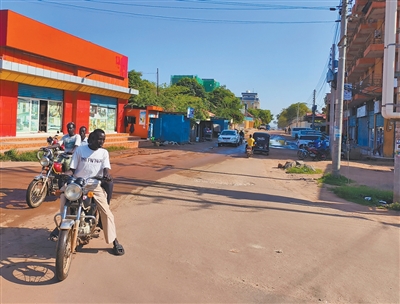
Core Viewpoint - Rwanda has transformed from a country devastated by genocide to a model of political stability and economic growth in Africa, achieving an average GDP growth rate of over 7% in the past three decades [3][24]. Group 1: Political Stability and National Reconciliation - Rwanda's political stability is rooted in the reconciliation efforts post-genocide, with a focus on truth and acknowledgment of the past to prevent future conflicts [6][7]. - President Kagame's administration has abolished ethnic identification and promoted a "Rwandan identity," achieving over 95% reconciliation among ethnic groups [7]. - The government maintains a zero-tolerance policy towards corruption, contributing to Rwanda's reputation as one of Africa's safest countries [7]. Group 2: Economic Reform and Open Innovation - Rwanda has adopted a unique development model, positioning itself as the "Singapore of Africa" by eliminating visa requirements for most visitors and promoting English [9]. - The 2021 investment law removed restrictions on foreign investment, leading to a 50% increase in foreign capital inflow to $2.47 billion in 2023 [9]. - The manufacturing sector has seen exports rise from $559 million to $944 million within three years, diversifying the economy [10]. Group 3: Education and Talent Development - The Rwandan government prioritizes education, implementing nine years of compulsory education and establishing youth leadership programs [12]. - The establishment of the Confucius Institute has led to a 20-fold increase in Chinese language learners, enhancing opportunities for study and employment in China [13]. - A significant portion of the military has received training in Chinese military academies, contributing to national security and international standing [13]. Group 4: Resource Potential and Technological Application - Rwanda leverages its geographical position to access resources from the Democratic Republic of the Congo, with tungsten exports accounting for 31% of the global market [16]. - The government emphasizes the application of new technologies, achieving a 15% growth in the digital economy and becoming the first African country with full 4G network coverage [17]. Group 5: Effective Internal Management - Rwanda is characterized by a harmonious society with a positive atmosphere, where citizens exhibit a proactive work ethic [19][21]. - The transportation system, primarily relying on motorcycle taxis, is efficient and affordable, contributing to a sense of safety and community [19]. Group 6: International Cooperation and Pragmatic Diplomacy - Rwanda balances international partnerships, benefiting from Chinese infrastructure support while learning urban governance from Singapore [22]. - The government's pragmatic diplomacy has improved its international image and positioned it favorably in Africa's business environment rankings [24].