民间艺术传承与创新

Search documents
东北秧歌“破圈”起舞 跨地域共享民间艺术
Zhong Guo Xin Wen Wang· 2025-10-27 11:36
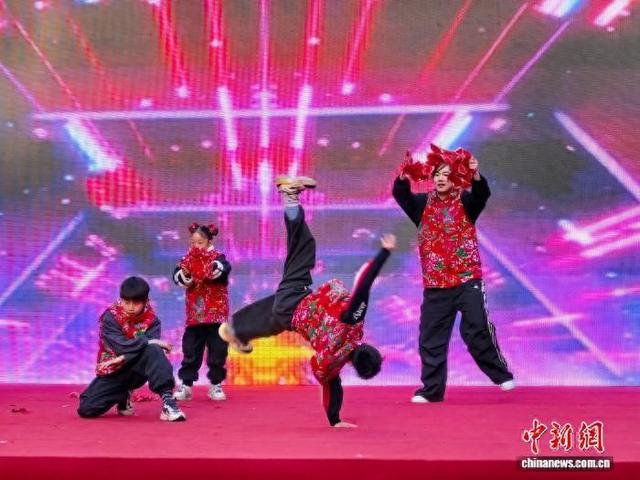
Core Viewpoint - The "Shencai Feiyang" Yangge Performance in Shenyang highlights cultural collaboration and resource sharing among cities in the Shenyang metropolitan area and neighboring cities like Changchun and Harbin [1][3][5] Group 1: Event Overview - The performance took place on October 26 and featured excellent Yangge troupes from multiple cities in the Shenyang metropolitan area, as well as from Changchun and Harbin [3][5] - The event was organized by the Shenyang Municipal Bureau of Culture, Tourism, and Radio and Television, serving as an important platform for cultural collaboration in the region [1][5] Group 2: Performance Highlights - The performance included two main themes: "Ancient Charm · Heritage" and "Era · Bloom," showcasing eight exciting Yangge programs such as "Hundred Longevity Map," "Fan Dance Joy," and "On Spring Mountain" [3] - Innovative segments like "Hey! Yangge" creatively combined Latin dance, street dance, and Yangge, demonstrating the youthful energy of traditional art inheritance and innovation [3] Group 3: Community Engagement - The event featured a "Warm Heart Station" providing hot water and ginger tea to attendees, reflecting the city's commitment to community welfare [5] - Shenyang has been actively promoting cultural and sports initiatives, hosting over a thousand grassroots cultural events annually, ensuring quality cultural resources reach the public [5]

把“泥娃娃”捏上世界舞台
Ren Min Ri Bao· 2025-06-27 22:12
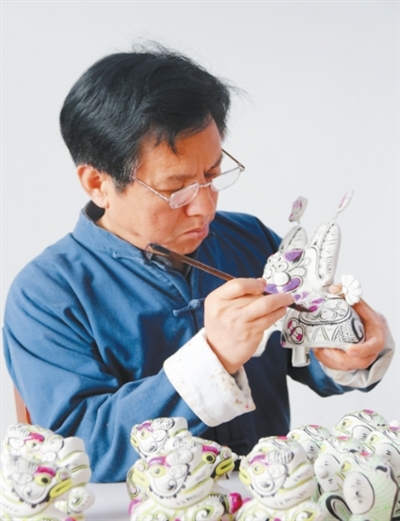
Core Viewpoint - The article highlights the transformation and revival of Fengxiang clay sculpture, a traditional craft in China, through innovation and cultural exchange, led by Hu Xinming, a national-level inheritor of this intangible cultural heritage [2][4]. Group 1: Historical Background - Hu Xinming began learning clay sculpture at the age of 11, and over the decades, he has witnessed the evolution of this craft into a cultural treasure recognized beyond local borders [2]. - Fengxiang, known as the birthplace of Zhou-Qin culture, has a rich history that influences the designs of clay sculptures, such as the classic tiger face shape resembling ancient bronze patterns [2]. Group 2: Challenges Faced - The Fengxiang clay sculpture industry faced a decline as villagers turned to other jobs due to low income from clay sculpture, with Hu Xinming identifying four main issues: fragility during transport, low processing efficiency, poor packaging, and outdated designs [4]. - Past export attempts, such as sending thousands of clay sculptures to Singapore, resulted in significant losses due to breakage, highlighting the need for improvements in production methods [4]. Group 3: Innovations and Revival - Hu Xinming innovated by incorporating materials like paper pulp and cotton into the clay, developing more durable sculptures, and modernizing production techniques with new molds and packaging [4]. - The revival of Fengxiang clay sculpture has led to a significant increase in production, with over 200 households and more than a thousand people involved, generating an annual output value exceeding 40 million yuan, and products being exported to over 30 countries [4]. Group 4: Cultural Integration and Future - The younger generation, represented by Hu Xinming's son, is integrating modern elements into clay sculpture, creating new products like scarves and phone cases, which have gained popularity online [5]. - The establishment of clay sculpture training centers and experience parks reflects a successful blend of intangible cultural heritage with tourism, paving new paths for the industry [4].