
水电发展

Search documents
美国工程师:看不懂中国,大力发展水力发电,却不知其中的危害
Sou Hu Cai Jing· 2026-01-15 08:44
Core Viewpoint - China has become the world's leading country in hydropower generation capacity, achieving a balance between ecological protection and power generation, contrasting with the aging and inefficient dams in the United States [1][17]. Group 1: Historical Development - The story of China's hydropower began in 1912 with the Shilong Dam, which was built under challenging conditions to provide electricity to Kunming, symbolizing hope and national self-reliance [3][7]. - The construction of the Xin'anjiang Hydropower Station in 1957 marked the first large-scale hydropower project in New China, focusing on solving local energy shortages rather than competing globally [5][7]. Group 2: Technological Innovation and Ecological Protection - Modern Chinese hydropower development integrates technology and ecological protection, with innovations such as sediment control techniques and ecological scheduling that enhance fish spawning [15][13]. - The Three Gorges Dam features fish passages and elevators, demonstrating a commitment to ecological design while maintaining high energy output [11][15]. Group 3: International Influence and Comparison with the U.S. - China's hydropower projects abroad, such as in Cambodia and Nigeria, emphasize capacity building and sustainable development, contrasting with the U.S. approach of dam removal due to aging infrastructure [19][21]. - The U.S. faces challenges with its aging dams, with a significant portion deemed high-risk, while China continues to expand its hydropower capabilities and influence globally [17][21]. Group 4: Modern Achievements and Future Outlook - The completion of the Baihetan Hydropower Station signifies China's leading position in both scale and technology, with over 400 million kilowatts of installed capacity, accounting for 30% of global hydropower [9][24]. - China's hydropower narrative reflects a unique model of modernization and green development, showcasing a commitment to balancing energy needs with ecological sustainability [22][24].

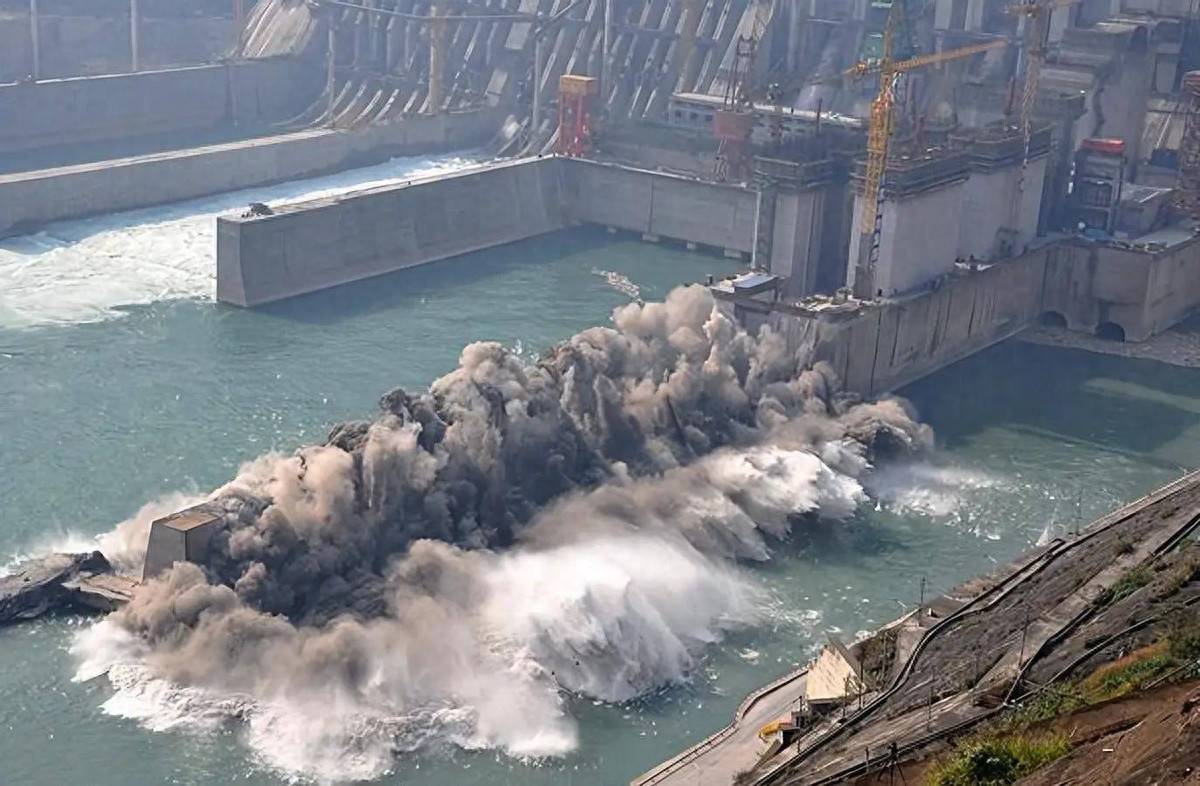
气候危机影响显现,全球水电新建装机步伐放缓
Zhong Guo Neng Yuan Wang· 2025-05-26 08:43
Core Insights - Climate change is causing increased frequency and intensity of droughts and heatwaves globally, leading to significant declines in hydropower generation capacity in regions like North America, South America, Africa, and South Asia, resulting in power crises in multiple countries [1][2][4] Hydropower Development Trends - The growth rate of new hydropower installations is slowing down, with global hydropower generation growth remaining below 1% from 2018 to 2023 due to drought conditions [2] - In 2023, global hydropower generation decreased by over 100 terawatt-hours, a decline of more than 2% year-on-year [2] - By 2050, 61% of proposed hydropower projects will be located in high-risk areas for flooding and drought, particularly affecting South Asia and Southeast Asia [2] Regional Impacts - In the U.S., hydropower generation in 2024 is projected to be 13% lower than the average of the previous decade, marking the lowest level since 2001 due to extreme drought conditions [3] - Canada, a major hydropower exporter, has seen its hydropower generation drop, leading to a decrease in exports to the U.S. and a historic first for Canada to purchase electricity from the U.S. in eight years [3] - In East Africa, hydropower systems heavily reliant on major rivers have experienced a 30% to 50% decline in river flow due to ongoing drought, severely impacting power generation [5] Economic and Social Consequences - The economic impact of power shortages is significant, with Ecuador experiencing up to 14 hours of daily power cuts, resulting in losses of $12 million for each hour of outage [4] - In Tanzania, the textile industry faced over $200 million in order losses due to unstable electricity supply, while rural areas experienced public health crises due to disrupted water systems [6] Policy and Future Directions - The hydropower sector requires more policy support and innovative approaches to adapt to climate risks, with a focus on maintaining existing facilities rather than new projects [7][8] - African nations are exploring digital solutions and hybrid energy systems to enhance the stability of hydropower generation, such as Ethiopia's digital twin project and Uganda's floating solar-hydropower hybrid stations [7] - The International Energy Agency emphasizes the need for policy breakthroughs and streamlined project approval processes to support hydropower expansion, contrasting with the focus on wind and solar energy in many countries [8]