汽车产业智能化升级

Search documents
打好协同牌 驶向新未来——天津市武清区推动汽车产业智能升级
Jing Ji Ri Bao· 2026-01-31 23:15
Core Viewpoint - The automotive industry in Wuqing District, Tianjin, is undergoing a significant transformation, shifting from traditional fuel vehicles to new energy vehicles, and from individual efforts to collaborative development, with a focus on intelligent manufacturing and green practices [1][6]. Group 1: Industry Transformation - Wuqing District began developing automotive manufacturing in 2009, with the establishment of the Jingqing Automotive Industry Park, which has now gathered over 170 automotive-related enterprises [1]. - The automotive manufacturing sector achieved an output value of 23.2 billion yuan from January to November 2025, marking a 4% year-on-year increase [1]. - The district emphasizes a transition from mere manufacturing to intelligent manufacturing, energy-saving practices, and collaborative efforts [1]. Group 2: Intelligent Transformation - The logistics area of the Jingqing Automotive Industry Park has seen a shift from transporting heavy metal parts to lighter, high-value "smart components" [2]. - Automation and digitalization have significantly improved production efficiency, with companies like Tianjin Jixing Automotive Parts achieving a 90% smart product rate and producing components for Xiaomi's SU7 every 50 seconds without human intervention [3]. - The introduction of 3D printing technology is filling gaps in the automotive supply chain, with Tianjin Jinshi 3D Printing Co. set to launch a manufacturing base in 2025 [3]. Group 3: Education and Talent Development - The establishment of a talent training and equipment R&D base in the Jingqing Automotive Industry Park aims to integrate education with industry needs, providing practical training for students and skill enhancement for employees [4]. - The base has already formed training agreements with several companies and is recognized for its efforts in deepening industry-education integration [5]. - The model of "education chain connecting industry chain, talent chain supporting innovation chain" is being implemented to foster a skilled workforce for the automotive sector [4]. Group 4: Green Transformation - The automotive industry in Wuqing is committed to green manufacturing, with companies implementing energy management systems and achieving a 5% energy-saving target [6]. - The Jingqing Automotive Industry Park was recognized as a "Tianjin Green Industrial Park" due to its initiatives in optimizing energy and water usage and promoting renewable energy projects [6]. - The park has established several national and municipal-level green factories, contributing to sustainable development in the automotive sector [6]. Group 5: Future Prospects - In 2025, the Jingqing Automotive Industry Park is expected to attract 21 new automotive projects with a total investment of 3.12 billion yuan, projected to generate an annual output value of 8.38 billion yuan [7]. - The park's transformation from a general industrial park to a dedicated automotive industry cluster is seen as a strategic move to enhance its development potential [8]. - The continuous improvement of the automotive supply chain ecosystem is attracting high-quality enterprises, further driving the high-end development of the automotive industry in Wuqing [9].
保隆科技与英飞凌深化汽车电子领域合作,共推产业智能化升级
Ju Chao Zi Xun· 2025-12-19 02:11
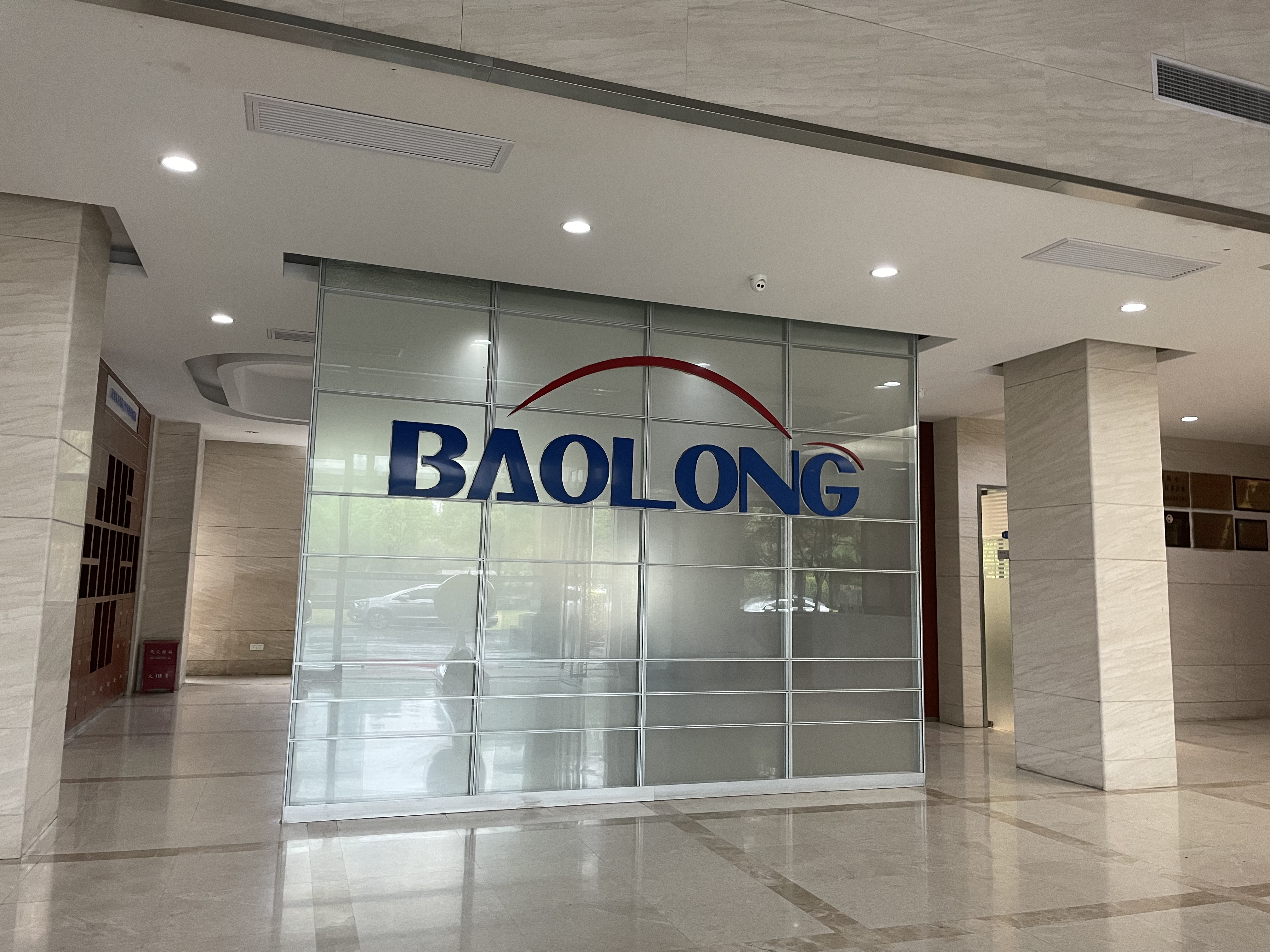
Group 1 - The core viewpoint of the collaboration between Baolong Technology and Infineon is to deepen their partnership in the automotive electronics sector, focusing on creating safer, smarter, and more competitive intelligent vehicle solutions [3][4] - The collaboration is built on a foundation of previous cooperation, leveraging Infineon's extensive product portfolio and system-level solutions alongside Baolong Technology's expertise in intelligent driving perception systems and intelligent chassis control systems [3][4] - The partnership aims to accelerate technological iteration and commercialization in the core areas of automotive safety and intelligence, providing more reliable solutions for the automotive industry [4] Group 2 - Baolong Technology and Infineon have a history of successful collaboration, having achieved significant results in key technology areas such as tire pressure monitoring systems, wheel speed sensors, and suspension control [4] - The mutual trust and win-win cooperation established over time serve as a solid foundation for the deepening of their collaboration [4]


调光导电膜业务助日久光电业绩大增
Zheng Quan Ri Bao· 2025-08-11 16:30
Core Insights - Jiangsu Riju Optoelectronics Co., Ltd. reported a total revenue of 302 million yuan for the first half of 2025, marking an 8.06% year-on-year increase, while net profit attributable to shareholders reached 45.61 million yuan, up 37.87% year-on-year [1] Group 1: Traditional Business Performance - The traditional ITO (Indium Tin Oxide) conductive film business experienced a revenue decline of 8.17% year-on-year, totaling 127 million yuan, primarily due to a shift in technology routes in the large-size touch display sector and intensified price competition [1] - The demand for ITO conductive films has slowed down as infrared touch technology begins to replace traditional capacitive touch methods, although the overall trend remains relatively stable [1] Group 2: OCA Optical Adhesive Challenges - The OCA (Optical Clear Adhesive) business is facing challenges due to increased market price competition and high R&D investments, with production capacity nearing saturation but not yet achieving profitability [2] - To enhance cash flow and risk control, the company has decided to moderately reduce OCA production [2] - The company is developing new products such as foldable OCA and curved OCA optical adhesives, with a full UV type curved screen optical adhesive having completed trial production and entering client certification [2] Group 3: Growth in Smart Light Control Film - The smart light control film business showed significant growth, achieving revenue of 73.77 million yuan, a substantial increase of 127.66% year-on-year, driven by deep penetration in automotive applications [3] - The smart light control glass utilizes spectral selective control technology, providing features such as cabin temperature reduction by 8°C to 12°C and adjustable light transmittance from 5% to 80%, aligning with the trend of automotive intelligence upgrades [3] - The company offers a differentiated competitive advantage by covering four major technology routes: PDLC, SPD, EC, and LC, focusing on core automotive applications [3] Group 4: AR Optical Film Revenue - The AR (Augmented Reality) optical film series, primarily used in automotive displays, generated revenue of 25.6 million yuan, reflecting a year-on-year growth of 132.22% [4] - The company is actively advancing sample certifications for AR optical films in consumer electronics, medical, and commercial display sectors, with some products already certified [4] Group 5: Expansion Plans and Market Position - In June, the company announced plans to invest 822 million yuan to build a functional film project with an annual production capacity of 6 million square meters, focusing on enhancing the production capacity of smart light control films and optical films [4] - Analysts suggest that this expansion plan will help the company leverage economies of scale to reduce unit production costs and optimize supply chain efficiency, thereby solidifying its market share in the functional film segment [4] - The optical and optoelectronic industry is characterized by intense competition and rapid technological iteration, necessitating continuous R&D investment to meet rising performance and quality demands from downstream customers [4]