汽车出口本地化

Search documents
俄罗斯大幅加税,中国汽车出口骤降58%!1辆净赚几万已成过去,有商家暂停对俄业务
Mei Ri Jing Ji Xin Wen· 2025-11-10 00:09
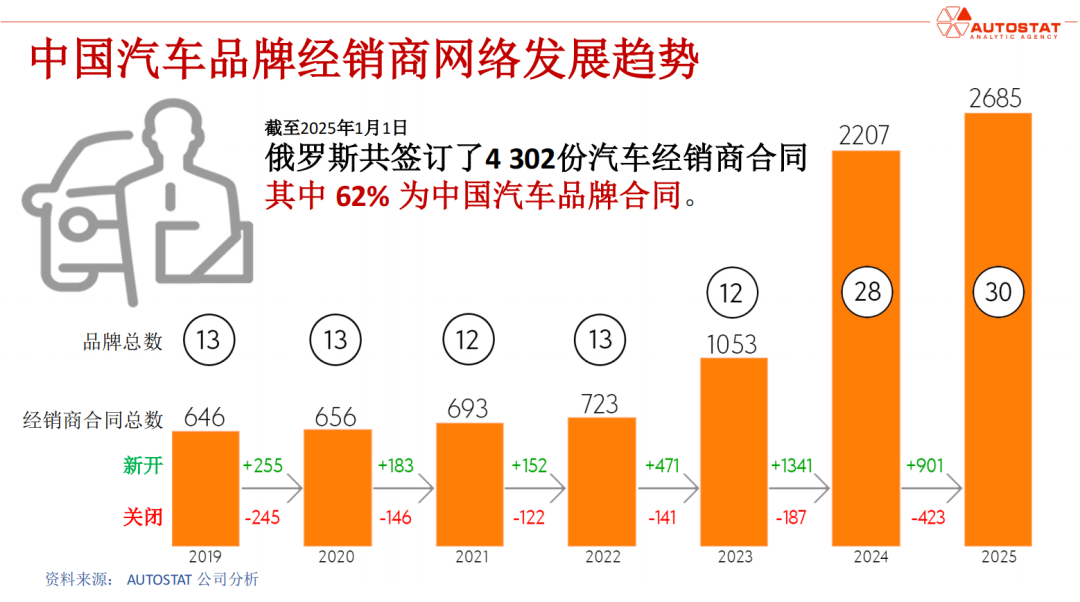
Core Insights - The export of Chinese automobiles to Russia has significantly declined, with a 58% drop in the first nine months of 2025 compared to the previous year, marking a shift in the export landscape where Mexico has overtaken Russia as the top destination for Chinese car exports [4][3][1] - The increase in scrappage taxes and changing market conditions have led to a cautious approach among Chinese exporters, with many considering halting their operations in Russia [2][8][9] Group 1: Export Trends - In the first nine months of 2025, China exported 357,700 vehicles to Russia, a decrease of 58% year-on-year, while exports to Mexico reached 410,700 units, making it the largest market for Chinese cars [4][3] - The shift in export destinations indicates a changing landscape, with Russia dropping from the top position it held for two years [4][3] Group 2: Market Challenges - Factors such as increased import taxes, scrappage taxes, and difficulties in after-sales service are impacting the export business of Chinese cars to Russia [2][8] - The scrappage tax for new imported cars has increased by 70% to 85%, significantly raising costs for exporters [8][7] Group 3: Industry Response - Many Chinese car manufacturers are now focusing on local production and establishing a long-term presence in Russia, moving away from a short-term profit strategy [15][13] - Companies like Great Wall Motors are adopting a localized assembly model to mitigate high import taxes and benefit from local subsidies [15][16] Group 4: Future Strategies - Experts suggest that Chinese car manufacturers need to enhance local production, improve after-sales service, and reshape their brand image to succeed in the Russian market [16][15] - The industry is advised to focus on building a sustainable business model rather than seeking quick profits, indicating a shift towards long-term investment strategies [13][15]

俄罗斯大幅加税,中国汽车出口骤降58%!1辆净赚几万已成过去
Mei Ri Jing Ji Xin Wen· 2025-11-09 22:27
Core Insights - The export of Chinese automobiles to Russia has significantly declined, with a 58% drop in the first nine months of 2025 compared to the previous year, marking a shift in the export landscape where Mexico has overtaken Russia as the top destination for Chinese car exports [4][9][10] - The increase in scrapping taxes and changing economic conditions in Russia have created a challenging environment for Chinese car exporters, leading to a reevaluation of their strategies in the market [3][7][9][10] Export Trends - In the first nine months of 2025, China exported 35.77 million vehicles to Russia, a significant decrease from previous years when Russia was the largest market for Chinese car exports [4][9] - Mexico has become the largest destination for Chinese car exports, with 41.07 million vehicles, followed by the UAE with 36.78 million [4][9] Market Challenges - The scrapping tax for imported vehicles in Russia has increased by 70% to 85%, significantly impacting the cost structure for Chinese exporters [7][9] - Economic factors such as high inflation, increased interest rates, and a depreciating ruble have further suppressed demand for automobiles in Russia [9][10] Industry Response - Many Chinese car manufacturers are reducing their operations in Russia, with some companies halting exports entirely due to the unfavorable market conditions [10][11] - There is a growing recognition among Chinese car manufacturers that a long-term strategy focusing on localization and building a robust after-sales service network is essential for success in the Russian market [19][20] Future Strategies - Chinese automotive companies are shifting from a quick profit model to a more sustainable approach, emphasizing local production and service capabilities [19][20] - Recommendations for success in the Russian market include increasing local production rates, enhancing product development for extreme weather conditions, and improving after-sales service coverage [20]


俄罗斯大幅加税,中国汽车出口骤降58%!1辆净赚几万已成过去,有商家暂停对俄业务,如何破局?专家建议“扎下根”
Mei Ri Jing Ji Xin Wen· 2025-11-09 16:27
Core Insights - The export of Chinese automobiles to Russia has significantly declined, with a drop of 58% in the first nine months of 2025 compared to the previous year, marking a shift in the export landscape [3][7] - Mexico has overtaken Russia as the largest destination for Chinese automobile exports, reflecting a changing dynamic in the market [2][3] - Increased taxes, including a rise in the scrappage tax by 70% to 85%, have severely impacted the profitability and attractiveness of the Russian market for Chinese automakers [6][7] Group 1: Market Dynamics - In the first nine months of 2025, China exported 357,700 vehicles to Russia, a significant decrease from previous years, with Mexico leading at 410,700 vehicles [3] - The Russian market, once the top destination for Chinese car exports, has now fallen to third place, with the UAE in second [3][2] - The shift in export destinations indicates a broader change in the strategy of Chinese automakers, moving away from reliance on the Russian market [2][3] Group 2: Challenges Faced - The increase in scrappage tax for imported vehicles, particularly for older models, has raised costs significantly, with some taxes increasing by nearly 83% [7] - The overall economic conditions in Russia, including high inflation and rising interest rates, have further suppressed demand for automobiles [7][8] - Many Chinese automakers are experiencing reduced sales and are reconsidering their presence in the Russian market, with some halting operations entirely [9][10] Group 3: Strategic Shifts - Chinese automakers are now focusing on long-term strategies, including local production and establishing a comprehensive service network to enhance customer support [16][17] - Companies like Great Wall Motors are already implementing local assembly to mitigate import tax impacts and increase local market integration [16] - The industry consensus emphasizes the need for improved localization, product adaptation to local conditions, and building a robust after-sales service system to regain consumer trust [17][14]