汽车电动化智能化转型

Search documents
全国人大代表、广汽集团董事长冯兴亚:加快自动驾驶立法 护航汽车电动化智能化转型
Shang Hai Zheng Quan Bao· 2026-03-06 20:35
Core Viewpoint - The article emphasizes the need for accelerating legislation on autonomous driving to support the development of the smart connected vehicle industry, which is seen as a crucial driver for the transformation and upgrading of the automotive sector [3][4]. Group 1: Legislative and Standardization Needs - The chairman of GAC Group, Feng Xingya, suggests that establishing a unified national standard and evaluation system is essential for overcoming bottlenecks in the industry [3]. - Clear legal definitions regarding accident liability, road usage permissions, and data security management are necessary as autonomous vehicles become more integrated into daily transportation [3][4]. - A comprehensive legal framework is viewed as the "safety bottom line" for the large-scale implementation of autonomous driving [3]. Group 2: Industry Development and Competitive Advantage - The global autonomous driving sector is at a critical competitive stage, with Chinese companies having developed advantages in smart driving technology [4]. - Major automotive companies are increasing their R&D investments, with some achieving L4 level mass production capabilities and significant cost reductions for Robotaxi models [4]. - The alignment of institutional supply with technological innovation is crucial for transforming technological advantages into industrial and market advantages, helping China gain a competitive edge in the global smart driving arena [4]. Group 3: Safety Concerns and Consumer Trust - Safety remains a fundamental principle in the automotive industry and is non-negotiable [4]. - As the industry transitions towards electrification and intelligence, the concept of safety is evolving, necessitating that companies prioritize user safety in their technological innovations [4]. - Enhancing vehicle safety and providing secure smart travel experiences for users are critical for building consumer trust in autonomous vehicles [4].


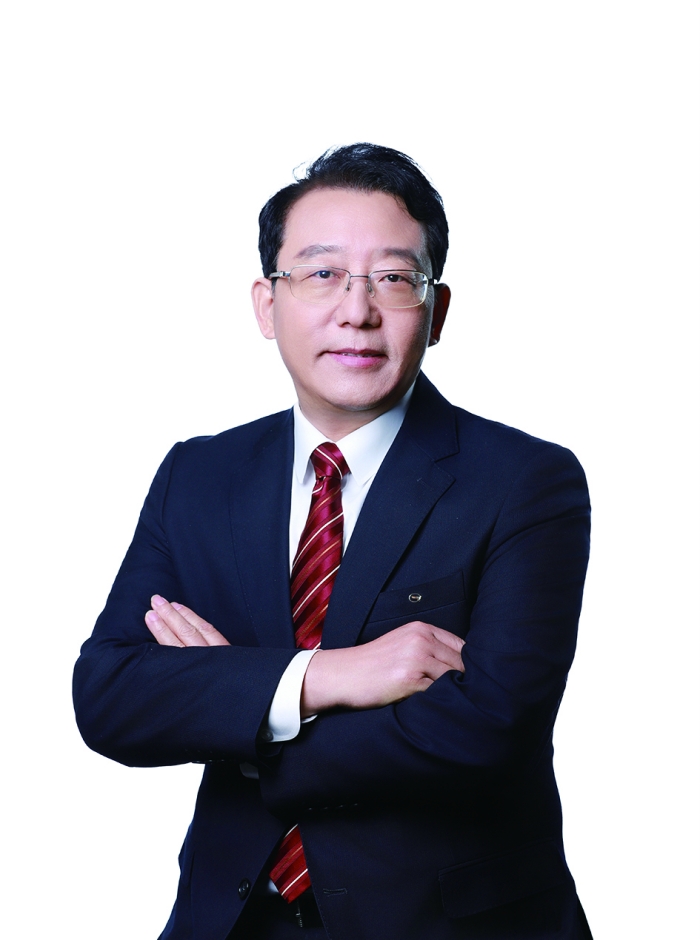
全国人大代表、广汽集团董事长冯兴亚:加快自动驾驶立法护航汽车电动化智能化转型
Shang Hai Zheng Quan Bao· 2026-03-06 20:07
Core Viewpoint - The article emphasizes the need for accelerated legislation on autonomous driving to support the electric and intelligent transformation of the automotive industry, highlighting the importance of establishing a unified national standard and evaluation system to address industry development bottlenecks [3][4]. Group 1: Legislative and Regulatory Framework - The chairman of GAC Group, Feng Xingya, suggests that a clear legal framework is essential for defining the responsibilities of car manufacturers, operators, and regulatory bodies to alleviate concerns and encourage the use of autonomous vehicles [4]. - A comprehensive legal framework is deemed the "safety bottom line" necessary for the large-scale implementation of autonomous driving technologies [3]. Group 2: Industry Development and Market Potential - The smart connected vehicle industry is identified as a crucial engine for the transformation and upgrading of the automotive sector, with a market potential valued in trillions [3]. - The article notes that various automotive companies are increasing their R&D investments, with some achieving L4 level mass production capabilities and significant cost reductions for Robotaxi models, indicating the initial stages of commercial operation [4]. Group 3: Safety and Consumer Concerns - Safety is highlighted as a fundamental principle in the automotive industry, with an evolving definition in the context of electric and intelligent vehicle transitions [4]. - Companies are urged to prioritize user safety in their technological innovations and enhance the safety features of vehicles to ensure secure intelligent travel for consumers [4].
东风集团成立“奕派科技”,引发自主品牌整合猜想
Jing Ji Guan Cha Wang· 2025-06-27 00:44
Core Viewpoint - Dongfeng Motor Group has established a new subsidiary, Yipai Automotive Technology, to focus on the development of its independent passenger vehicle business, integrating resources across the entire value chain [2][3]. Group 1: Company Strategy - The establishment of Yipai Technology aims to accelerate the development of Dongfeng's independent passenger vehicle brands, which include Fengshen, Yipai, and Nano [2]. - Yipai Technology will cover all three brands under Dongfeng's passenger vehicle segment, with Yipai positioned as a mainstream technology electric brand priced between 100,000 and 200,000 yuan, while Nano targets the under 100,000 yuan market as a "national pure electric professional brand" [2]. - The decision to name the new company Yipai rather than using existing brand names has sparked speculation about potential brand consolidation within Dongfeng [2]. Group 2: Industry Context - The Chinese automotive industry is shifting from a phase of "scale expansion" to "quality improvement," making resource integration and strategic focus crucial for long-term development [3]. - Similar cases in the industry include the merger of Zeekr and Lynk & Co, which formed Zeekr Technology Group, emphasizing a dual-brand strategy and integrated operations [3]. Group 3: Market Performance and Goals - Dongfeng Group aims to achieve an annual sales target of 3 million vehicles by 2025, with over 1 million being electric vehicles [4]. - In the first five months of this year, Dongfeng's passenger vehicle brands sold a total of 81,000 units, marking an 18.5% year-on-year increase, while its high-end electric vehicle brand, Lantu, saw sales of 46,000 units, up 85% year-on-year [4].