自动驾驶汽车

Search documents
智能汽车主线周报:三部门提出加快自动驾驶技术攻关突破,看好智能化
Soochow Securities· 2026-03-23 12:24
Investment Rating - The report maintains a positive outlook on the L4 RoboX main line for 2026, suggesting a preference for B-end software stocks over C-end hardware stocks [2][4]. Core Insights - The smart car index decreased by 7.5%, with the index excluding Tesla also down by 7.5%, and the index excluding complete vehicles down by 3.0% [2][8]. - As of March 20, 2026, the smart car index PS (TTM) is at 12.8x, placing it in the 84th percentile since the beginning of 2023; the index excluding Tesla is at 4.5x (58th percentile), and the index excluding complete vehicles is at 7.3x (58th percentile) [2][10]. - Key developments include Guangdong's 2026-2035 industrial plan to accelerate L3/L4 autonomous driving R&D, a meeting by the Ministry of Industry and Information Technology to promote breakthroughs in autonomous driving technology, and Nvidia's launch of the Alpamayo 1.5 autonomous driving model [2][15]. Summary by Sections Market Performance - The smart car index and its sub-indices have shown a decline, with specific stocks like Kaile Co., BYD Electronics, JD Logistics, Horizon Robotics, and Hezhima Intelligent showing the highest gains [2][13]. Industry Developments - Significant changes include the acceleration of L3/L4 autonomous driving R&D in Guangdong, a meeting by three departments to optimize the approval process for autonomous driving, and the planned public trial operation of WeRide in Singapore [2][15]. Investment Recommendations - Recommended stocks include: - H-shares: Xpeng Motors, Horizon Robotics, WeRide, and Hezhima Intelligent - A-shares: Qianli Technology, Desay SV, and Jingwei Hengrun - Downstream application perspectives include Robotaxi and Robovan, with specific companies highlighted for their roles in these segments [2][15]. Supply Chain Insights - Upstream supply chain recommendations include B-end unmanned vehicle OEMs and core upstream suppliers such as testing services, chips, domain controllers, sensors, and chassis components [2][15].
政策高频 | “两会”期间,多部门阐述重点工作安排 (申万宏观·赵伟团队)
申万宏源宏观· 2026-03-12 16:04
Group 1 - The core viewpoint of the article emphasizes the strategic direction of China's "14th Five-Year Plan" focusing on technological innovation, industrial modernization, and state-owned enterprise reform [3][5][8] - The Ministry of Science and Technology aims to enhance original technological breakthroughs and strengthen the national strategic technology force [3][4] - The Ministry of Industry and Information Technology is set to promote the integration of artificial intelligence and manufacturing, targeting the construction of a modern industrial system [3][4] Group 2 - The National Development and Reform Commission projects a GDP increase of over 6 trillion yuan for the year, with the service sector expected to exceed 100 trillion yuan by the end of the "14th Five-Year Plan" [5][7] - The fiscal policy will include a central government allocation of 100 billion yuan to support financial collaboration to boost domestic demand, with total fiscal spending exceeding 12.4 trillion yuan [5][7] - The People's Bank of China anticipates that by the end of 2025, foreign entities will hold over 10 trillion yuan in domestic RMB financial assets, reflecting high-level openness [6][7] Group 3 - The "14th Five-Year Plan" outlines 18 chapters and 20 key indicators, focusing on high-quality development and practical implementation [8][9] - The plan includes 16 major strategic tasks and 109 significant projects, emphasizing technological innovation, industrial upgrading, and green transformation [8][9] - The plan aims to enhance public services in education, healthcare, and social security, addressing urgent issues faced by the populace [8][9] Group 4 - The Ministry of Education plans to improve the quality and fairness of basic education, increasing the supply of public kindergarten places and enhancing educational resources in underdeveloped areas [10][11] - The Ministry of Human Resources and Social Security will implement an employment-first strategy, focusing on skill training and labor rights protection [10][11] - The Ministry of Culture and Tourism aims to promote the integration of culture and tourism, enhancing service quality and facilitating inbound tourism [10][11] Group 5 - The Ministry of Transport is focused on building a modern, high-quality comprehensive transportation network, aiming to increase the completion rate of the national network from 90% to over 95% [12][13] - The Ministry of Agriculture emphasizes food security and diverse supply, with grain production stabilizing at 1.4 trillion jin [12][13] - The National Sports Administration is committed to enhancing sports governance and expanding access to sports facilities for the public [12][13] Group 6 - The Supreme People's Court and the Supreme People's Procuratorate are prioritizing judicial work that supports high-quality economic development and protects civil rights [14][15] - The reports highlight the importance of anti-monopoly and fair competition laws to ensure a unified national market [14][15] - There is a focus on protecting intellectual property rights and addressing issues related to artificial intelligence in judicial proceedings [14][15]

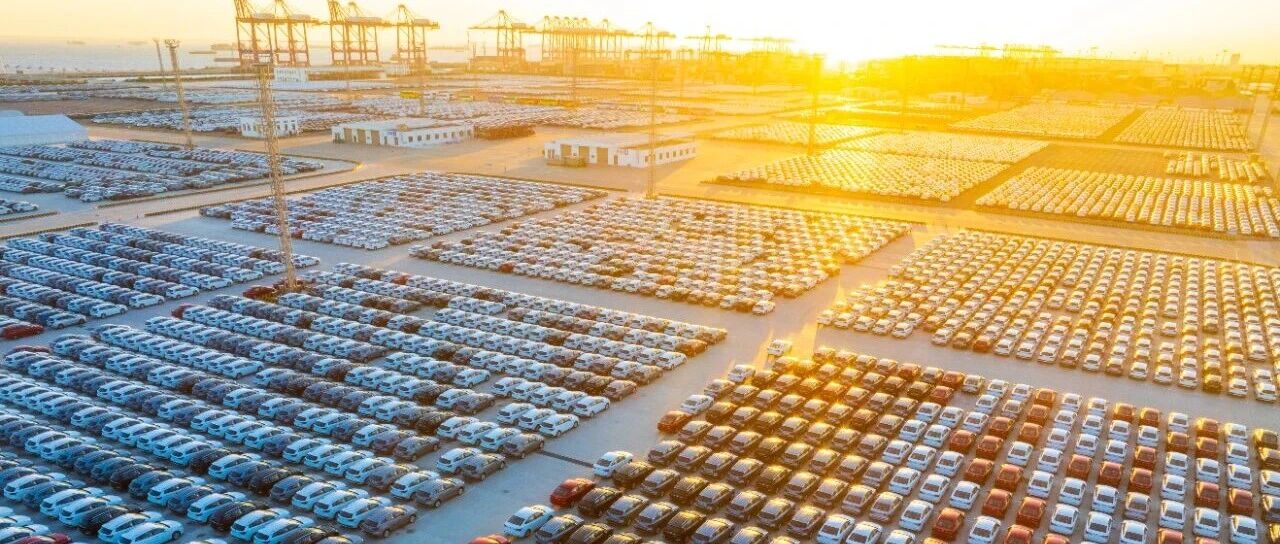
下一个五年,中国汽车该往哪走?
汽车商业评论· 2026-03-07 23:06
Core Viewpoint - The article emphasizes the significant advancements and future directions of China's automotive industry, particularly in the context of the government's strategic initiatives and the integration of new technologies such as artificial intelligence and smart driving [3][6][17]. Group 1: Government Report Highlights - The government report highlights that China's annual production of new energy vehicles has surpassed 16 million units, and the number of electric vehicle charging facilities has exceeded 20 million [3]. - The automotive industry has achieved a production and sales volume exceeding 34 million units, with exports ranking first globally for three consecutive years [3][6]. - The report outlines 20 key indicators, many of which are related to the automotive industry, emphasizing the importance of new production capabilities and the integration of emerging industries [3][6]. Group 2: Smart Driving and Regulations - Smart driving has emerged as a primary topic during the national two sessions, with a consensus on the need to improve legal frameworks and standards for high-level autonomous driving [10][15]. - The industry is transitioning from technology validation to large-scale commercial application, with L2-level driving assistance penetration expected to exceed 60% by 2025 [10][11]. - Suggestions include establishing a unified standard for autonomous vehicles and enhancing public understanding of the technology to facilitate its adoption [13][15]. Group 3: Artificial Intelligence Integration - The term "Artificial Intelligence+" is highlighted as a key focus, with the government aiming to integrate AI into various sectors, including manufacturing and smart driving [18][22]. - The core industry scale of AI is projected to exceed 1.2 trillion yuan, with over 6,200 companies involved [18][22]. - The emphasis is on optimizing product supply and deepening industry applications to unlock traditional and emerging market potentials [22][23]. Group 4: Energy System Diversification - The article discusses the need for a diversified energy supply system to support the growing demand for new energy vehicles, emphasizing the importance of establishing a standardized battery swapping system and promoting hydrogen energy [28][30]. - The development of hydrogen energy and methanol vehicles is highlighted as crucial for achieving energy security and reducing emissions [31][35]. - The establishment of a unified hydrogen refueling standard and infrastructure is recommended to enhance the efficiency and adoption of hydrogen fuel cell vehicles [31][34]. Group 5: Global Expansion and Quality Improvement - China's automotive exports reached 7.098 million units in 2025, marking a 21.1% increase year-on-year, with a focus on transitioning from quantity to quality in exports [52][55]. - The need for standardization and compliance in international markets is emphasized, with suggestions for building a common database for overseas market regulations to assist companies in navigating complex environments [56][57]. - The article advocates for collaborative efforts among automotive brands to enhance competitiveness in global markets [58]. Group 6: Talent Development and Supply Chain Security - The article stresses the importance of securing the supply chain and cultivating high-quality talent to support the automotive industry's transition to high-quality development [60][64]. - Recommendations include establishing innovation alliances among state-owned enterprises and educational institutions to address the challenges of talent shortages and technological independence [61][63]. - The need for a new educational framework to develop interdisciplinary talent in the automotive sector is highlighted, with suggestions for integrating practical training with academic education [65]. Group 7: Social Responsibility and Accessibility - The automotive industry is urged to focus on social responsibilities, particularly in enhancing accessibility for the elderly and rural consumers [67][69]. - Suggestions include improving charging infrastructure in rural areas and developing a "silver-friendly" travel ecosystem to accommodate the aging population [68][69]. - The article also discusses the need for a comprehensive approach to enhance the availability of accessible transportation services, including the establishment of standards for barrier-free taxis [73].




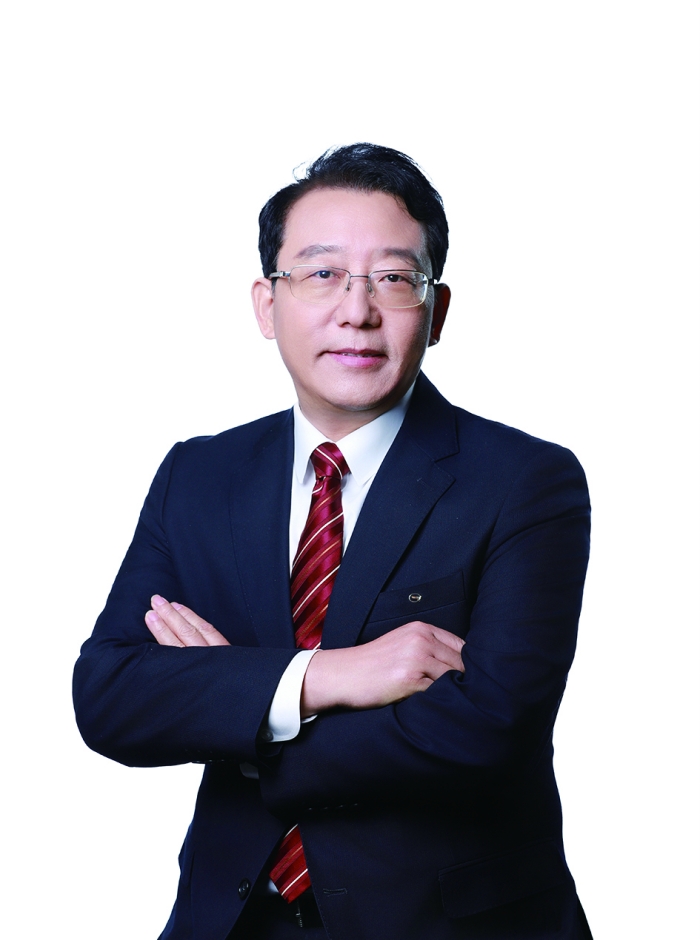
全国人大代表、广汽集团董事长冯兴亚:加快自动驾驶立法 护航汽车电动化智能化转型
Shang Hai Zheng Quan Bao· 2026-03-07 06:14
Core Viewpoint - The development of the autonomous driving industry is crucial for the transformation and upgrading of the automotive sector, with significant market potential and responsibilities for high-quality manufacturing [1] Group 1: Legislative and Standardization Needs - The establishment of a unified national standard and evaluation system is essential to address the bottlenecks in the industry's development [1] - Clear legal definitions regarding accident liability, road usage permissions, and data security management are necessary for the widespread adoption of autonomous vehicles [1] - A comprehensive legal framework is considered the "safety bottom line" for the large-scale implementation of autonomous driving [1] Group 2: Industry Competitiveness and Technological Advancements - The global autonomous driving industry is at a critical competitive stage, with China having developed its own advantages in smart driving technology [1] - Major automotive companies are increasing their R&D investments, with some achieving L4 level mass production capabilities [1] - The cost of Robotaxi models has significantly decreased, and commercial operations are beginning to scale [1] Group 3: Safety and Consumer Trust - Safety remains a fundamental principle in the automotive industry and is non-negotiable [1] - As the industry transitions to electrification and intelligence, the concept of safety is evolving [1] - Automotive companies must prioritize user safety in their technological innovations and enhance the safety of intelligent features to ensure secure smart travel for users [1]
全国人大代表、广汽集团董事长冯兴亚:加快自动驾驶立法 护航汽车电动化智能化转型
Shang Hai Zheng Quan Bao· 2026-03-06 20:35
Core Viewpoint - The article emphasizes the need for accelerating legislation on autonomous driving to support the development of the smart connected vehicle industry, which is seen as a crucial driver for the transformation and upgrading of the automotive sector [3][4]. Group 1: Legislative and Standardization Needs - The chairman of GAC Group, Feng Xingya, suggests that establishing a unified national standard and evaluation system is essential for overcoming bottlenecks in the industry [3]. - Clear legal definitions regarding accident liability, road usage permissions, and data security management are necessary as autonomous vehicles become more integrated into daily transportation [3][4]. - A comprehensive legal framework is viewed as the "safety bottom line" for the large-scale implementation of autonomous driving [3]. Group 2: Industry Development and Competitive Advantage - The global autonomous driving sector is at a critical competitive stage, with Chinese companies having developed advantages in smart driving technology [4]. - Major automotive companies are increasing their R&D investments, with some achieving L4 level mass production capabilities and significant cost reductions for Robotaxi models [4]. - The alignment of institutional supply with technological innovation is crucial for transforming technological advantages into industrial and market advantages, helping China gain a competitive edge in the global smart driving arena [4]. Group 3: Safety Concerns and Consumer Trust - Safety remains a fundamental principle in the automotive industry and is non-negotiable [4]. - As the industry transitions towards electrification and intelligence, the concept of safety is evolving, necessitating that companies prioritize user safety in their technological innovations [4]. - Enhancing vehicle safety and providing secure smart travel experiences for users are critical for building consumer trust in autonomous vehicles [4].
全国人大代表、广汽集团董事长冯兴亚:加快自动驾驶立法护航汽车电动化智能化转型
Shang Hai Zheng Quan Bao· 2026-03-06 20:07
Core Viewpoint - The article emphasizes the need for accelerated legislation on autonomous driving to support the electric and intelligent transformation of the automotive industry, highlighting the importance of establishing a unified national standard and evaluation system to address industry development bottlenecks [3][4]. Group 1: Legislative and Regulatory Framework - The chairman of GAC Group, Feng Xingya, suggests that a clear legal framework is essential for defining the responsibilities of car manufacturers, operators, and regulatory bodies to alleviate concerns and encourage the use of autonomous vehicles [4]. - A comprehensive legal framework is deemed the "safety bottom line" necessary for the large-scale implementation of autonomous driving technologies [3]. Group 2: Industry Development and Market Potential - The smart connected vehicle industry is identified as a crucial engine for the transformation and upgrading of the automotive sector, with a market potential valued in trillions [3]. - The article notes that various automotive companies are increasing their R&D investments, with some achieving L4 level mass production capabilities and significant cost reductions for Robotaxi models, indicating the initial stages of commercial operation [4]. Group 3: Safety and Consumer Concerns - Safety is highlighted as a fundamental principle in the automotive industry, with an evolving definition in the context of electric and intelligent vehicle transitions [4]. - Companies are urged to prioritize user safety in their technological innovations and enhance the safety features of vehicles to ensure secure intelligent travel for consumers [4].
专访全国人大代表冯兴亚:汽车、低空经济与人形机器人要融合发展
21世纪经济报道· 2026-03-06 06:37
Core Viewpoint - The article emphasizes the importance of accelerating the development of legal regulations and standards for autonomous driving to facilitate the large-scale deployment of autonomous vehicles in China [1]. Group 1: Autonomous Driving and Technology Development - Multiple representatives at the National People's Congress highlighted autonomous driving as a key topic, with suggestions to advance policies from L2 to L4 levels while simplifying L3 [1]. - Morgan Stanley's report indicates that global automotive giants like Tesla will face competition from capable Chinese companies like Xpeng in the autonomous driving technology space [1]. - GAC Group's chairman, Feng Xingya, advocates for the integration of smart vehicles with low-altitude economy and humanoid robots, aiming to leverage the potential of low-altitude economic development [1]. Group 2: GAC's Strategic Initiatives - GAC has a mature supply chain and technology in the automotive sector, with over 70% of its components reusable in flying cars [2]. - The company is undergoing a transformation called "Panyu Action," focusing on self-revolution and integrated operations for its brands [2][12]. - GAC aims to enhance its market responsiveness and customer satisfaction through a customer-centric organizational transformation [14]. Group 3: Global Expansion and Ecosystem Building - GAC plans to expand its global footprint, transitioning from product exports to a comprehensive industry chain export model by 2026 [3]. - The company has seen a 47% year-on-year increase in overseas sales, with significant growth in new markets [18]. - GAC is actively building partnerships with leading companies like Huawei and Alibaba to enhance its technological capabilities and create a robust ecosystem [17]. Group 4: Innovation in Robotics and Low-Altitude Economy - GAC's humanoid robot, GoMate Mini, is set for small-scale production in March 2026, targeting the security sector as its initial application [9][8]. - The company is leveraging its experience in autonomous driving data collection to enhance the development of its humanoid robots [8]. - GAC's flying car, GOVY AirCab, has received nearly 2,000 orders and is expected to begin deliveries in 2026, showcasing the company's rapid production capabilities [10].

每日市场观察-20260306
Caida Securities· 2026-03-06 05:53
Market Overview - The Shanghai and Shenzhen markets opened higher, driven by a rebound in technology stocks, with the Shanghai Composite Index rising by 0.64%, the Shenzhen Component Index by 1.23%, and the ChiNext Index by 1.66% [1][4] - The trading volume in the Shanghai and Shenzhen markets exceeded 2.4 trillion yuan, showing a slight increase compared to the previous day [1] Industry Dynamics - The State Grid announced plans to enhance the capacity of power grid resource allocation and improve the ability to accommodate renewable energy during the 14th Five-Year Plan period, aiming for over 120 million kilowatts of pumped storage capacity by 2030, with renewable energy accounting for over 30% of the power generation in its operational area [1] - The power sector is expected to benefit from strong dividends and has shown resilience amid market fluctuations, indicating potential investment value [1] Fund Flow - On March 5, net inflows into the Shanghai Stock Exchange were 12.723 billion yuan, while the Shenzhen Stock Exchange saw net inflows of 5.837 billion yuan, with the top three sectors receiving funds being power grid equipment, optical optoelectronics, and semiconductors [5] Government Policies - The government work report emphasized the need to deepen reforms in key areas, enhance the long-term funding mechanism for capital markets, and improve investor protection systems [6] - The proposed budget deficit rate for 2026 is around 4%, with a deficit scale of 5.89 trillion yuan, an increase of 230 billion yuan from the previous year [8] Industry Trends - The Ministry of Industry and Information Technology plans to promote the development of new-generation artificial intelligence products, including brain-computer interfaces and autonomous vehicles, to meet the growing demand for intelligent products across various sectors [11] - Some small and medium-sized banks have begun to lower deposit interest rates, reflecting a shift in the banking sector's development philosophy from competing on interest rates to controlling costs and improving efficiency [12][13] Fund Dynamics - Since the beginning of 2026, 41 public fund managers have invested 890 million yuan in their own funds, demonstrating a commitment to long-term investment strategies [14] - The scale of private equity funds has reached a record high, with a total management scale of 22.44 trillion yuan as of the end of January 2026, marking continuous growth over the past four months [15]
2026全国两会跟踪第一期:首日要点及后续关注
一瑜中的· 2026-03-05 16:23
Core Viewpoint - The article discusses the key points from the opening of the 14th National People's Congress (NPC) and the government's work report, emphasizing the focus on high-quality development, innovation, and strategic investments in infrastructure and emerging industries [1][2][3]. Group 1: Key Points from the NPC Opening - The NPC opened on March 5, with significant activities including a government work report briefing and the first "Ministerial Channel" interview session [1][2]. - The General Secretary highlighted the importance of a correct view of performance and the development of new productive forces, with specific goals set for 2023 to 2025 [1][2][3]. - The first "Ministerial Channel" featured representatives from the Ministry of Science and Technology, Ministry of Industry and Information Technology, and the State-owned Assets Supervision and Administration Commission [1][2]. Group 2: Fiscal Policy and Investment Plans - The budget report emphasizes an active fiscal policy, urging early planning and execution of policies to gain proactive work momentum [2][3]. - Investment plans include accelerating the approval of major projects, with a focus on infrastructure such as the Sichuan-Tibet Railway and coastal highways, aiming for completion of project lists by June [2][3]. - The plan encourages new industries to maintain appropriate capacity redundancy and promote competition and innovation [2][3]. Group 3: "14th Five-Year Plan" Highlights - The draft outline of the "14th Five-Year Plan" includes new chapters on advancing digital China and improving population development strategies [2][3]. - The plan aims to enhance the level of intelligent development and promote high-quality population growth [2][3]. Group 4: Upcoming Activities - Important upcoming events include the second plenary session on March 9, which will review reports from the NPC Standing Committee, Supreme Court, and Supreme Procuratorate [3][4]. - The conference will conclude on March 12, followed by additional ministerial interviews [3][4].

两会热点·一图看懂丨十四届全国人大四次会议首场“部长通道”要点速览
证券时报· 2026-03-05 13:25
Group 1 - The Ministry of Industry and Information Technology (MIIT) will promote the dual development of artificial intelligence (AI) and manufacturing, aiming to produce more world-class intelligent products in China by 2026 [6][7] - The MIIT plans to implement a new round of ten key industries for stable growth, focusing on attracting advanced technology, talent, and capital to the manufacturing sector [6][7] - The MIIT emphasizes the importance of modern governance in building a modern industrial system, advocating for legal governance and industry self-discipline to create a better business environment [6][7] Group 2 - The Ministry of Science and Technology reports that China's innovation index has risen to 10th globally, with R&D investment expected to exceed 3.92 trillion yuan by 2025, achieving a research intensity of 2.8% [8][10] - The ministry aims to align technological innovation with industrial needs, promoting a cohesive approach to technology and industry development, and enhancing the role of enterprises in innovation [10] - There is a focus on efficient application of technological achievements, encouraging local initiatives to leverage regional resources for innovation [10] Group 3 - The State-owned Assets Supervision and Administration Commission (SASAC) indicates that the total assets of central enterprises have consistently increased, surpassing 90 trillion yuan during the 14th Five-Year Plan period, with profit levels rising by 56.2% compared to the previous five years [11] - SASAC aims to concentrate state-owned assets in key industries related to national security and public services, while also reforming mechanisms to enhance the effectiveness of state-owned enterprises [11] - The commission emphasizes the need for effective regulation that balances flexibility and control in managing state-owned enterprises [11]